Rural Wranglers: Moapa Valley

No Place Like Home
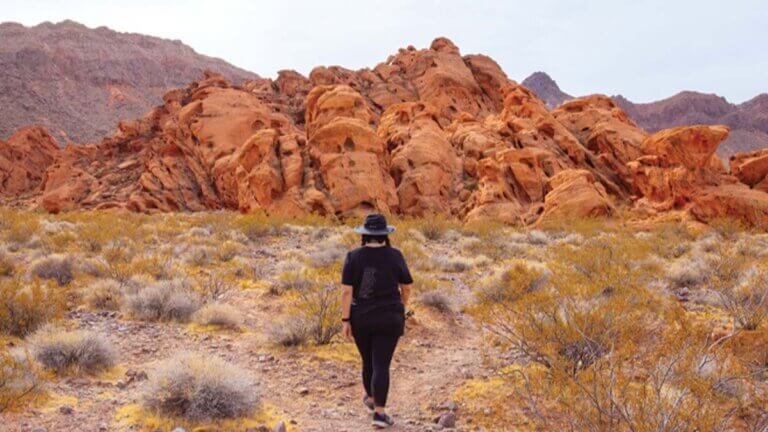
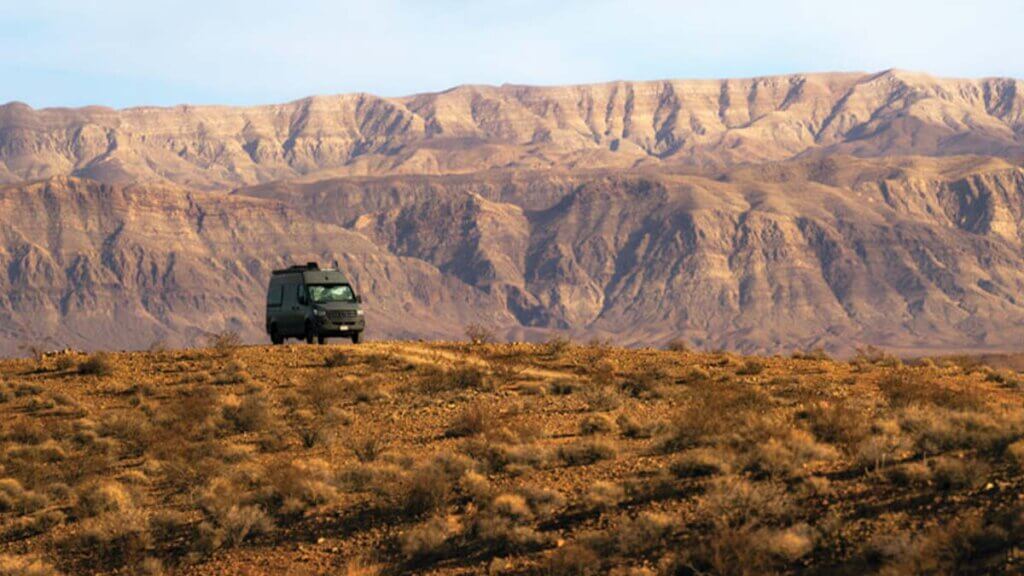
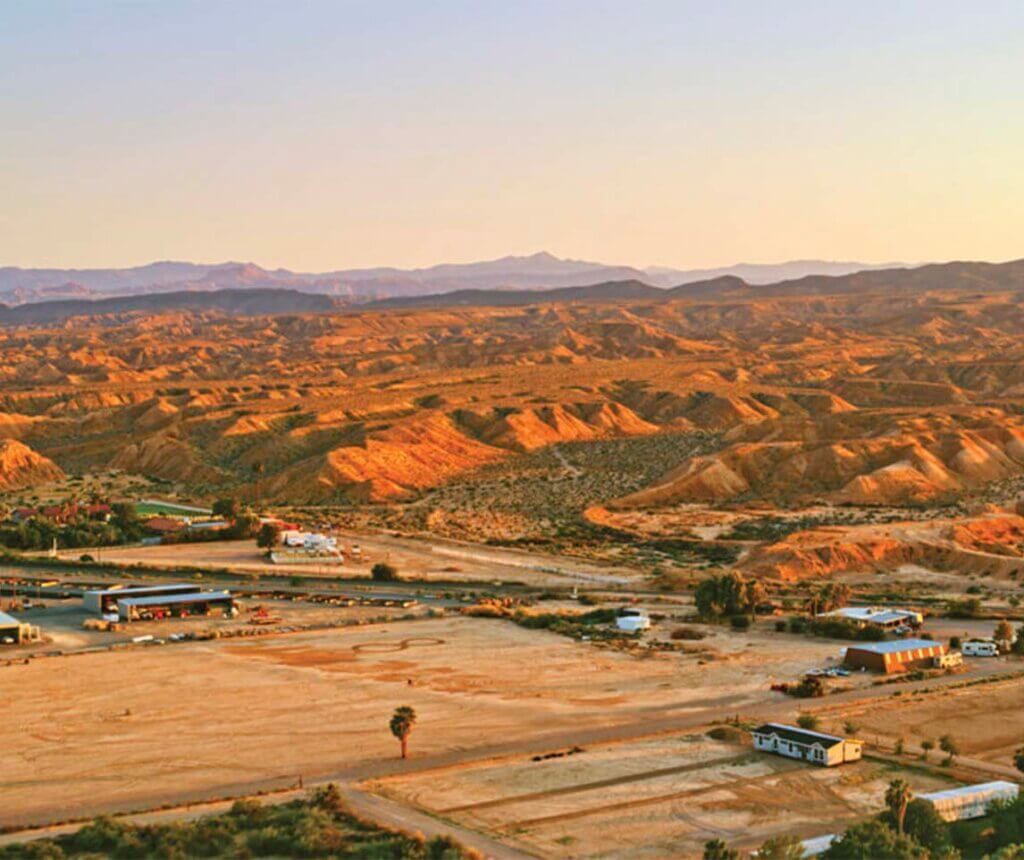
Surrounding the alfalfa farms and winding greenbelt, famous desertscapes form a breathtaking backdrop. Moapa Valley’s horizon is a collage featuring some of the state’s most popular outdoor areas: Valley of Fire State Park, Gold Butte National Monument, and Lake Mead National Recreation Area. It’s no wonder a community of RVers and snowbirds have taken root here: With the valley’s balmy climate, proximity to Vegas, and countless opportunities for outdoor adventure, it’s hard to think of a better place for long-term recreation.
However, the heart of the valley is its rich cultural heritage. Over the centuries, the banks of the Muddy River have beckoned Ancestral Puebloans, Paiutes, Mexicans, and Mormons. The valley’s long history is well preserved and easily explored through the its museums and ghost towns.
On a map, you’ll find the area has several towns including Logandale and Overton. Although these are historic towns will distinct commercial areas, it’s perfectly acceptable to refer to the collective communities as Moapa Valley
Whether you choose to stay for a weekend or a winter, Moapa Valley is an excellent escape. This full-service town offers a handful of restaurants and a comfortable hotel to serve as the hub for your outdoor adventures. Curious to learn more? Keep reading to discover area highlights.
Logandale Trails
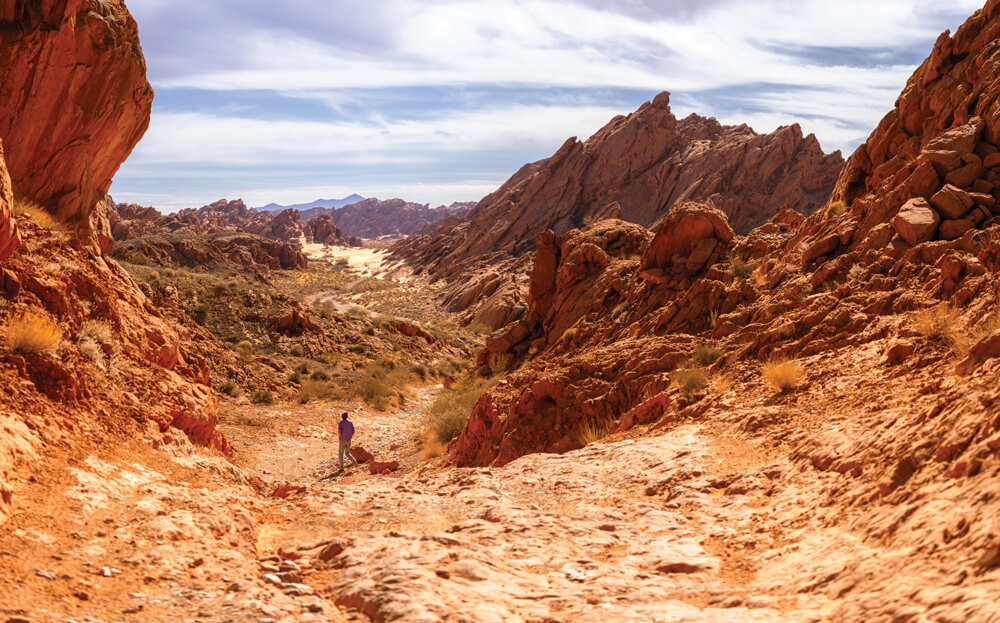
The newly opened Logandale Trails System is on its way to becoming one of the state’s most popular off-road destinations. Located near the north end of Valley of Fire State Park, the 45,000-acre area—featuring 200 miles of trail—practically mirrors the park’s breathtaking rust-red formations. The only difference is that this outdoor-recreation playground is open to horseback riders, rock climbers, hikers, and OHV enthusiasts alike. Note that while restrooms and dry camping are available, there are no RV hookup or dump stations.
St. Thomas Ghost Town
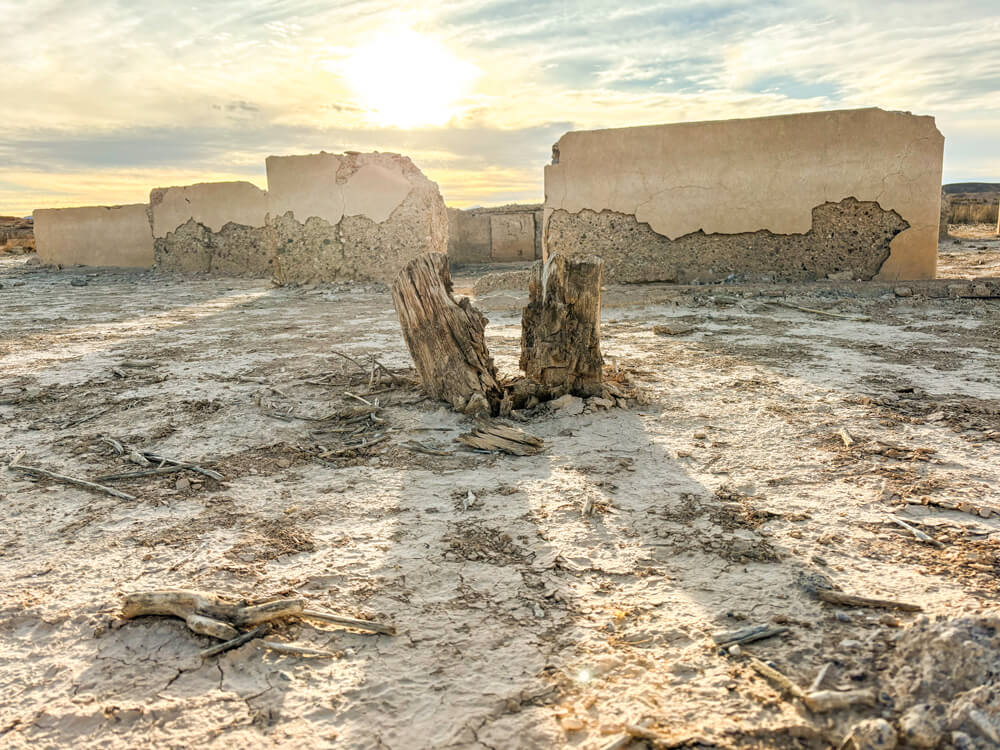
This settlement dates to the 1860s, when Mormon farmers settled the verdant desert valley. After the Hoover Dam was completed in the 1930s, St. Thomas slowly flooded until it was 60 feet below newly formed Lake Mead. For decades, the little town slumbered beneath turquoise waters. Today, the reservoir has dropped below the ghost town, making St. Thomas a must-visit while enjoying Lake Mead National Recreation Area. Take the 2.5-mile loop trail to marvel at the dozens of crumbling concrete foundations and enjoy detailed signage that interprets the community’s history—and eventual demise.
Lake Mead National Recreation Area
Known for rugged mountains and breathtaking, horizon-stretching waters, this massive, 1.5-million-acre space is the perfect place for visitors to swim, boat, hike, bike, fish, and camp. America’s first and largest national recreation area offers scenic vistas, picnicking spots, and family-friendly hikes like the Redstone Trail. This area is also one of the state’s best wildlife viewing areas, boasting a large population of desert bighorn sheep, bald eagles, mountain lions, and other desert-dwelling critters.
Travel Nevada Pro Tip
Daily admission for Lake Mead National Recreation Area is $25 per vehicle or $20 per motorcycle. Daily boat permits are $16 and campgrounds are typically $20 per night. Note that only electronic card payments are accepted for entrance, lake use, and campground fees.
Lost City Museum
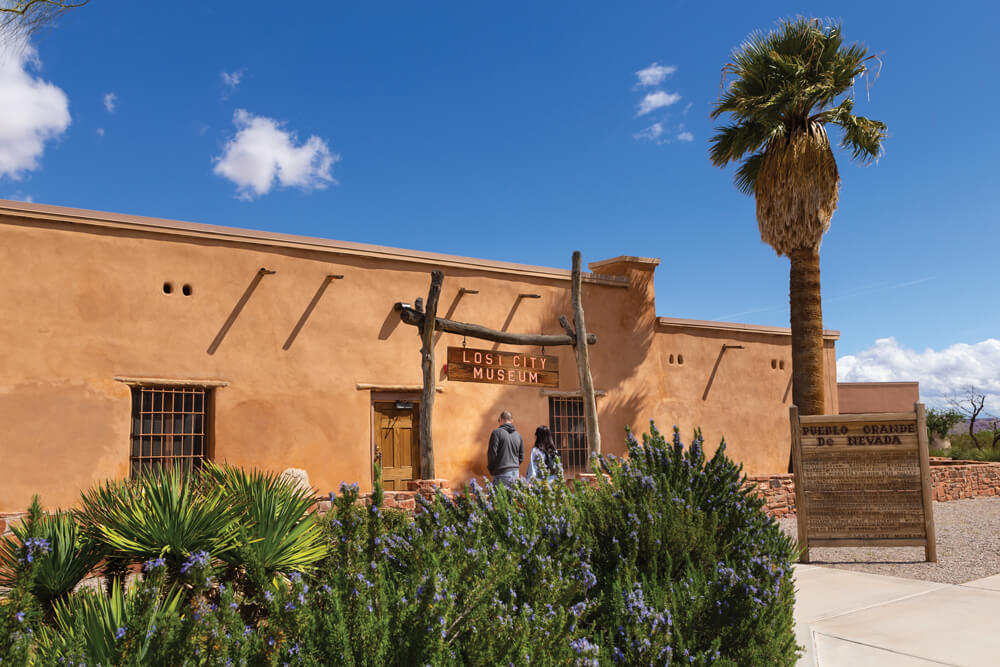
Lost City Museum tells the long story of the valley’s inhabitants, including the Ancestral Puebloans, who farmed this part of the state for a thousand years. Completed in 1935 by the National Parks Service and Civilian Conservation Corps, the museum displays tools, pottery, and other artifacts that offer a glimpse of Puebloan life.