Pyramid Lake
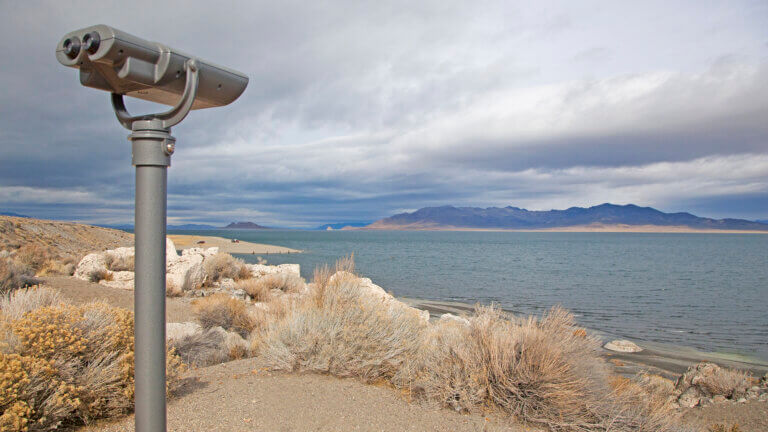
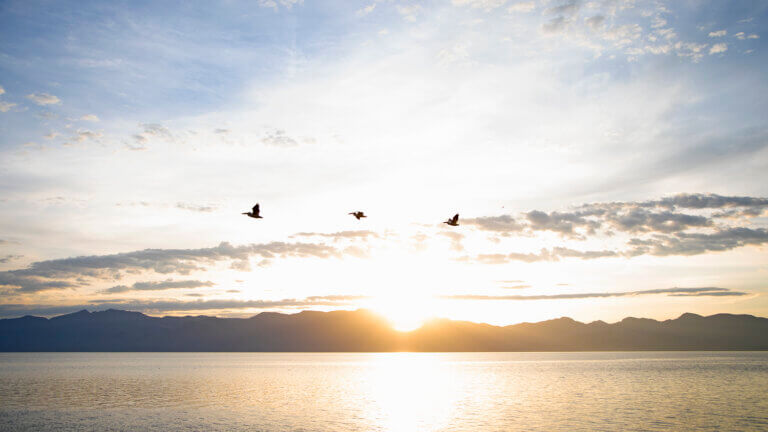
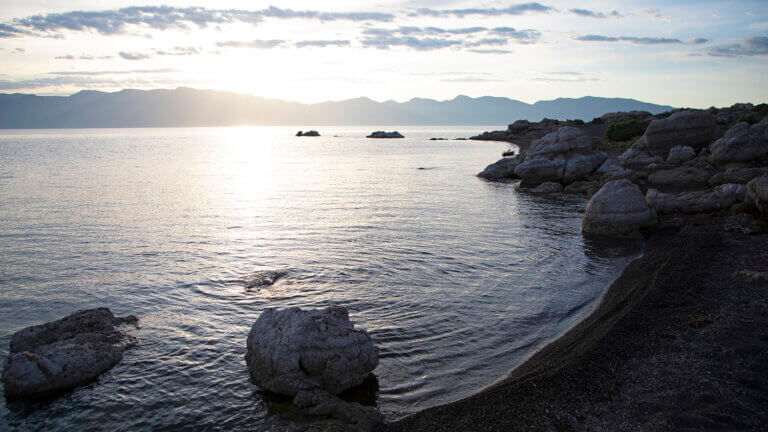
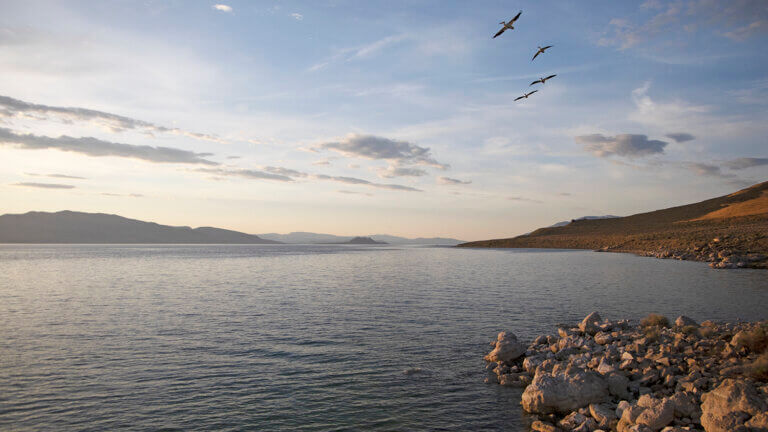
Pyramid Lake is a sacred remnant of prehistoric Lake Lahontan, and it remains a glittering, high-desert jewel today. Outdoor recreation opportunities are abundant, ranging from swimming and boating to angling for record-setting Lahontan cutthroat trout. The lake is also home to Anaho Island National Wildlife Refuge, which, in addition to being a protected habitat for thousands of migrating birds, is also the largest breeding ground of the American white pelican.
From some of the most legendary trophy fishing in the West to unmatched birdwatching, boating, and camping, Pyramid Lake beckons the outdoorsman in all of us to experience this northwestern Nevada jewel.
History of Pyramid Lake
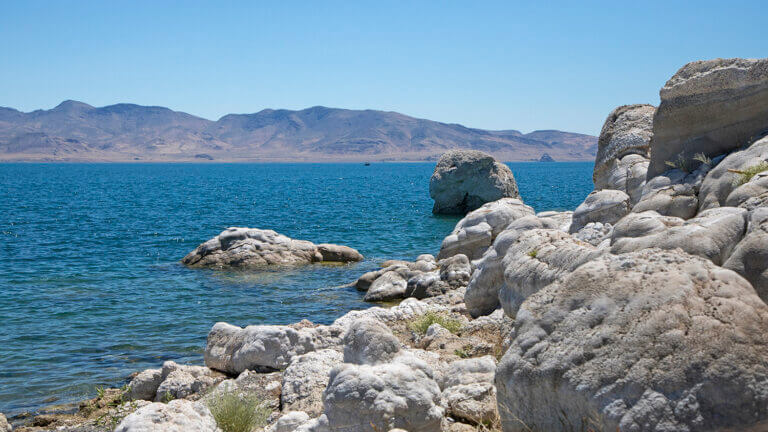
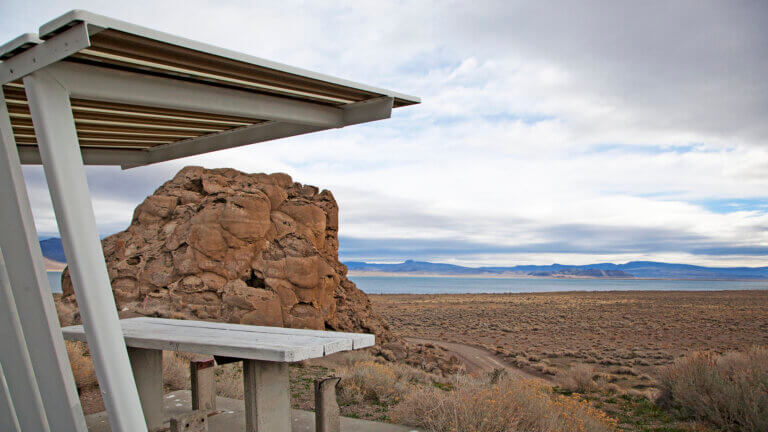
Pyramid Lake is located entirely within the Pyramid Lake Paiute Reservation. The English name came from explorer John C. Fremont, who noted the pyramid-shaped tufa formations along the eastern shoreline. The Northern Paiute name of Pyramid Lake is Kooyooe Panunadu or Kooyooe Pa’a Panunadu, which comes from the endemic cui-ui fish. The road skirting Pyramid Lake was one of the first national scenic byways to be designated, and it was the first scenic byway to lie entirely within an American Indian reservation.
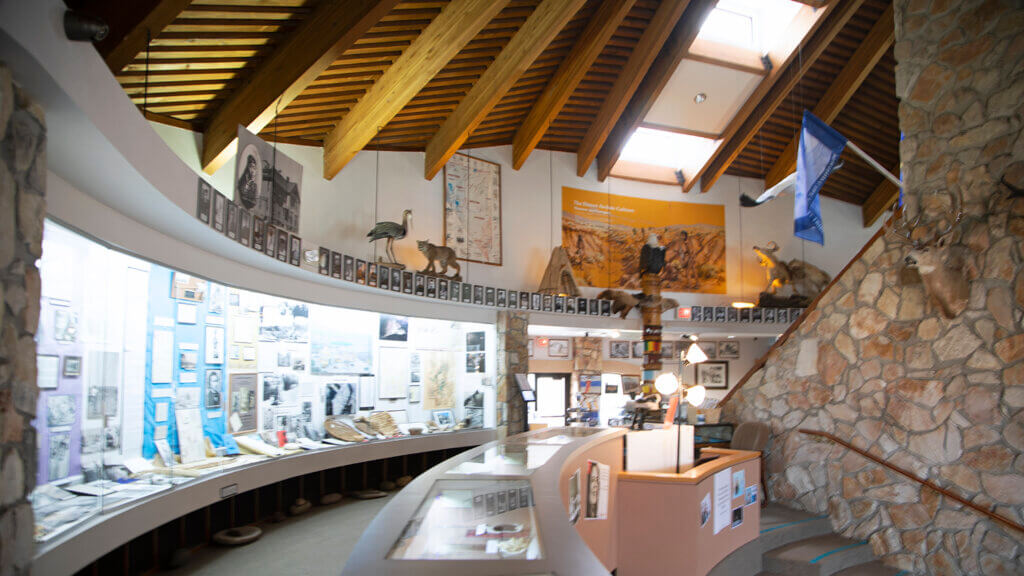
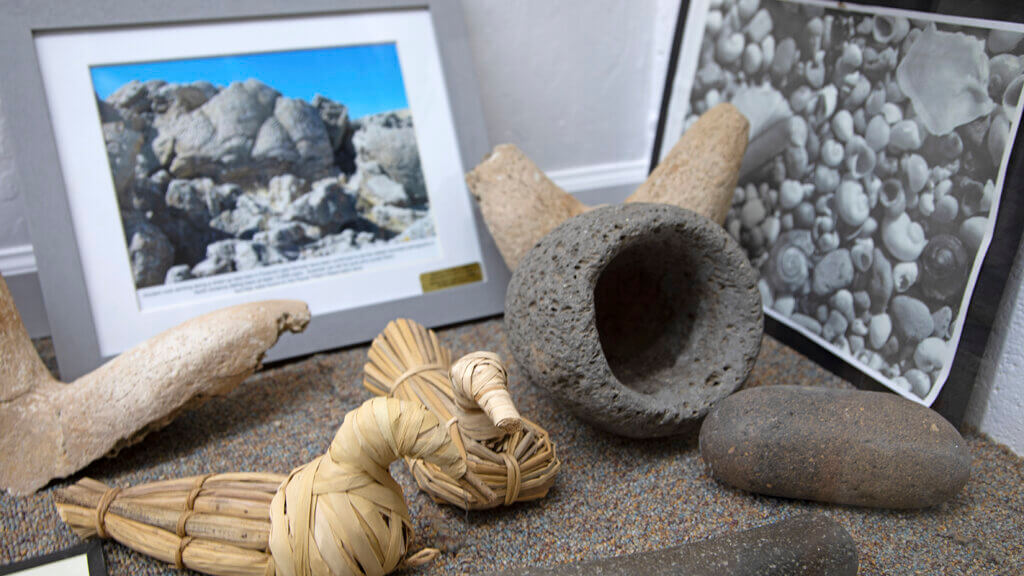
The Pyramid Lake Paiute Tribe owns and manages Pyramid Lake. At the Pyramid Lake Paiute Tribe Museum & Visitors Center, visitors can learn why the lake and its surrounding landscape continues to be sacred. Exhibits also detail natural history, wildlife, culture, and plenty more.
Fishing at Pyramid Lake
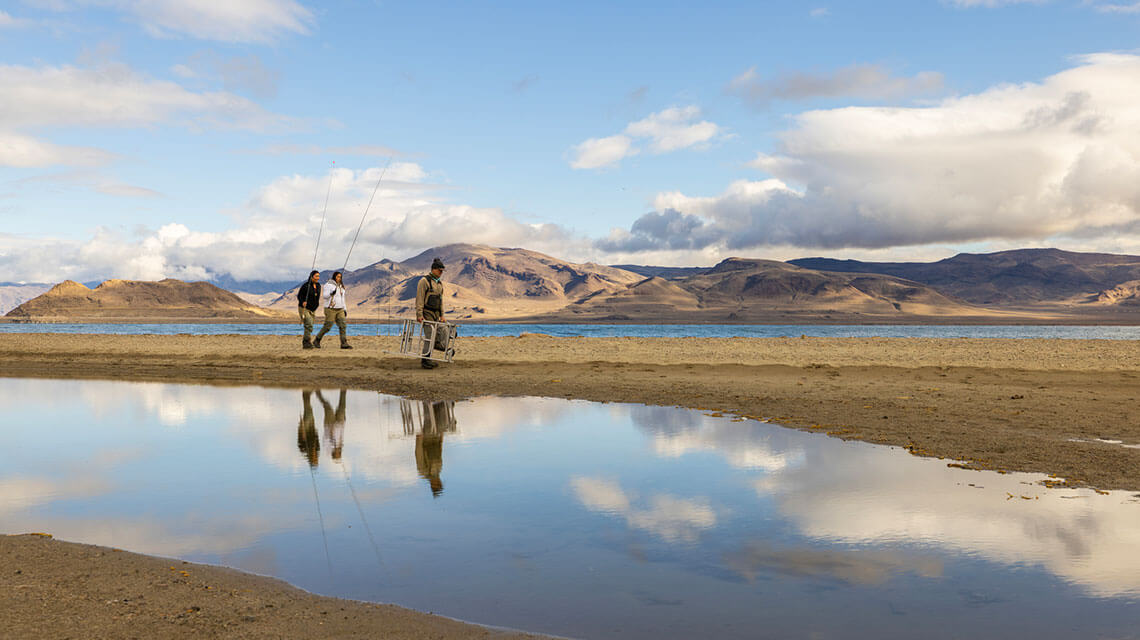
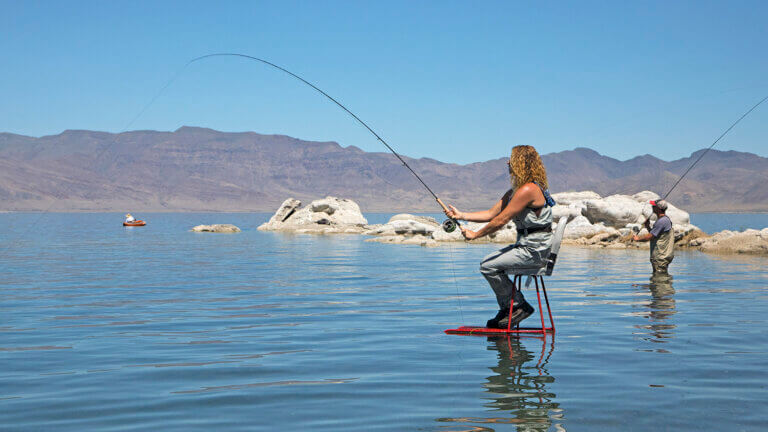
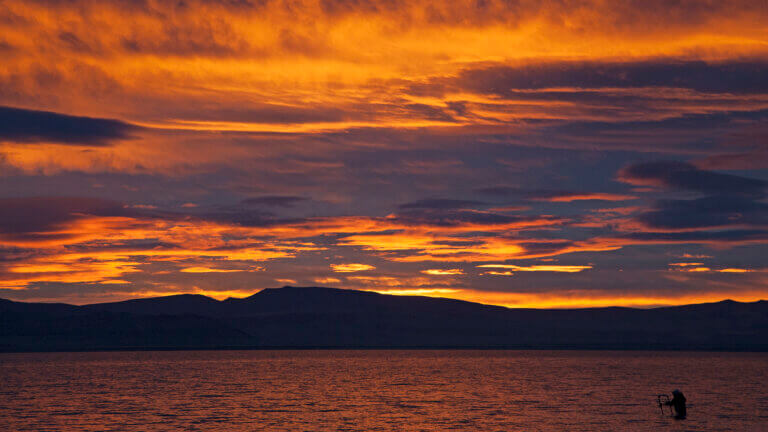
Anglers flock here to try their luck at catching Lahontan cutthroat trout—the record-holding catch is 41 pounds. Float tubes, boats, and fly casting from shore are all fair game at Pyramid Lake, but hooking one of these gargantuan fish sometimes requires famously unorthodox methods. Some fishers stand on submerged ladders to get far enough away from shore to cast into the lakebed’s deep drop-off. You can also hire an authorized fishing guide or boat charter to help you wrangle one of these beasts. While you may not be lucky enough to reel in a 40-pounder, knowing that 20-pound catches are normal in these storied waters hardly feels like settling.
Fishing season for Lahontan cutthroat trout begins Oct. 1 and runs through June 30. Sacramento perch can be caught year-round, and anglers can keep up to 10 perch per day. Fishing is allowed from one hour before sunrise to one hour after sunset. Bait is strictly prohibited, and only barbless hooks can be used. Get complete fishing guidelines, resources, and permits from the Pyramid Lake Paiute Tribe’s website.
Travel Nevada Pro Tip
A tribal permit is required to fish, swim, boat, jet ski, or camp at Pyramid Lake.
Day-use and three-day permits are typically available. Plan ahead and purchase your Pyramid Lake permits online.
Weather & Climate
Like the rest of Nevada, Pyramid Lake is a land of extremes with often unpredictable weather cycles. Temperatures are typically warmest in August and coldest in January. The scenic byway is paved, but many roads to recreation sites are not (especially those north of Sutcliffe). If enjoying the lake via small watercraft, check the weather forecast for wind to avoid strong gusts and sizeable waves.
When exploring this rugged terrain, live by the Dirt Road Code and travel prepared with a spare tire, paper map, and a trusted travel buddy. Be sure to also bring plenty of layers, sunscreen, lip balm, and more water and snacks than you think you’ll need.
Getting to Pyramid Lake
From downtown Sparks, follow the Burner Byway north along State Route 445 (Pyramid Highway) about 33 miles to Sutcliffe. You can also jump on Interstate 80 and go 30 miles east to the Wadsworth exit, then follow State Route 447 north for 16 miles to Nixon.
Admission:
A tribal permit is required to fish, swim, boat, jet ski, or camp at Pyramid Lake. Day-use and three-day permits are typically available. Pyramid Lake permits can be purchased online.
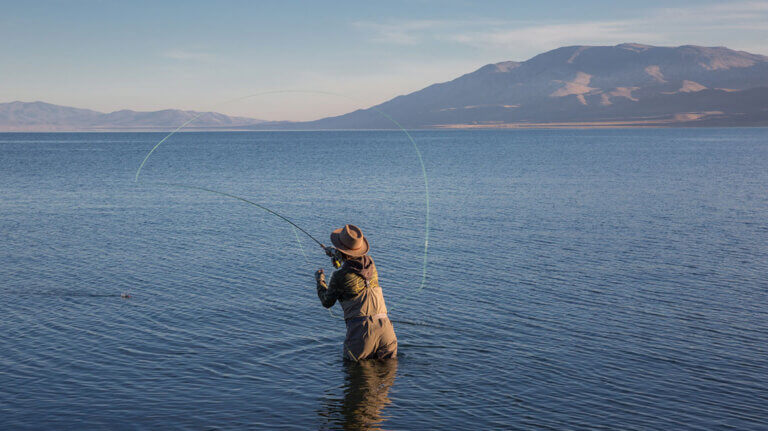
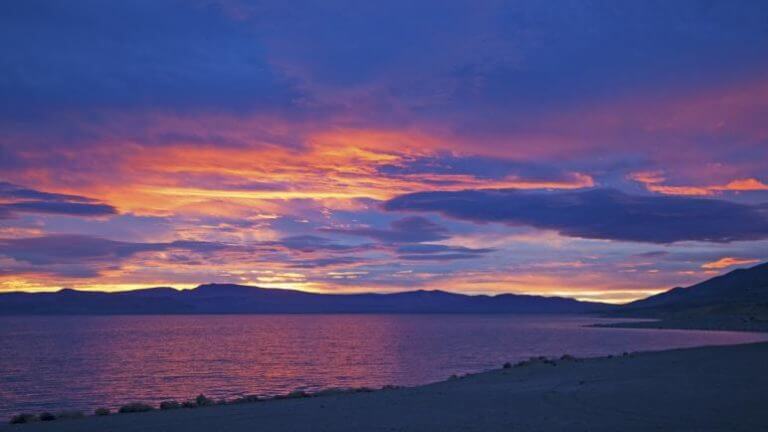
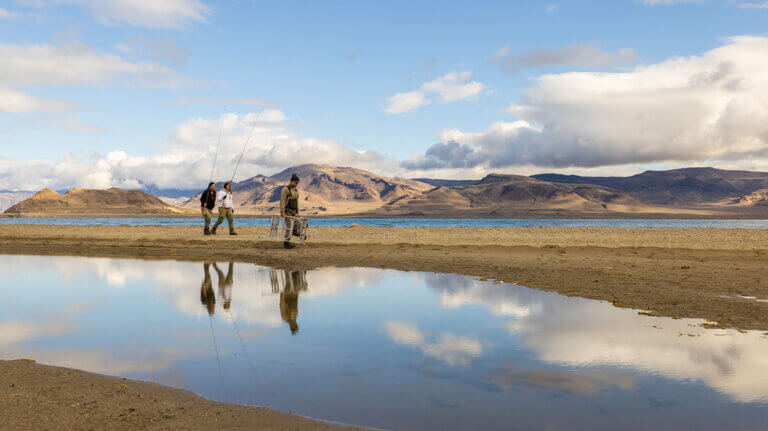
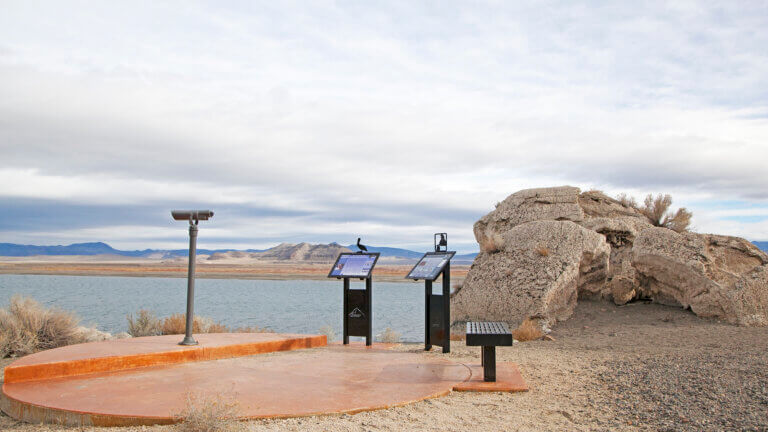
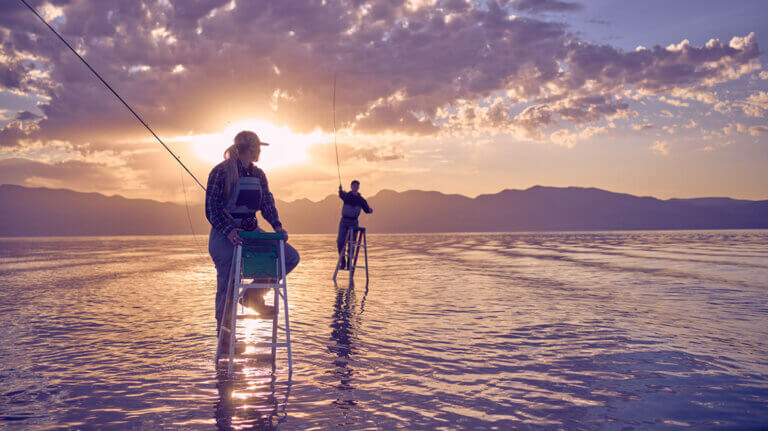
Photo: M.D. Welch
This Location:
City
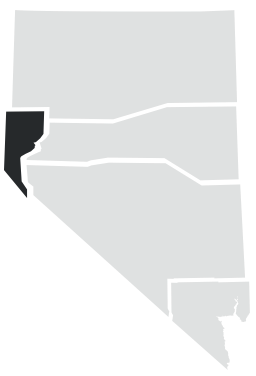
SparksRegion
Northwestern