
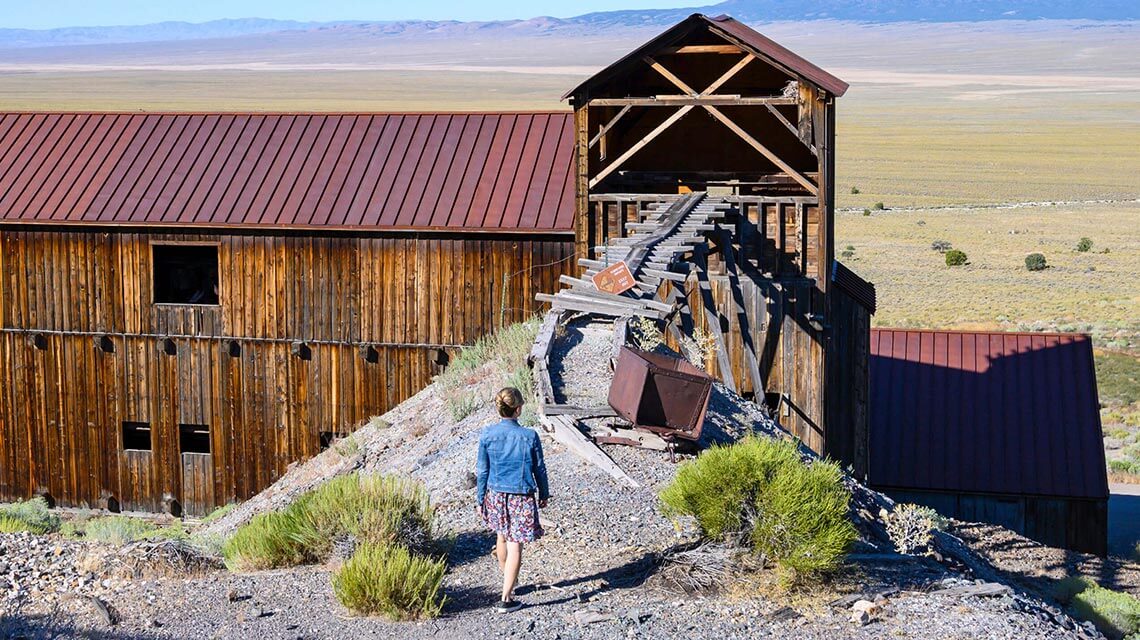
Berlin-Ichthyosaur State Park
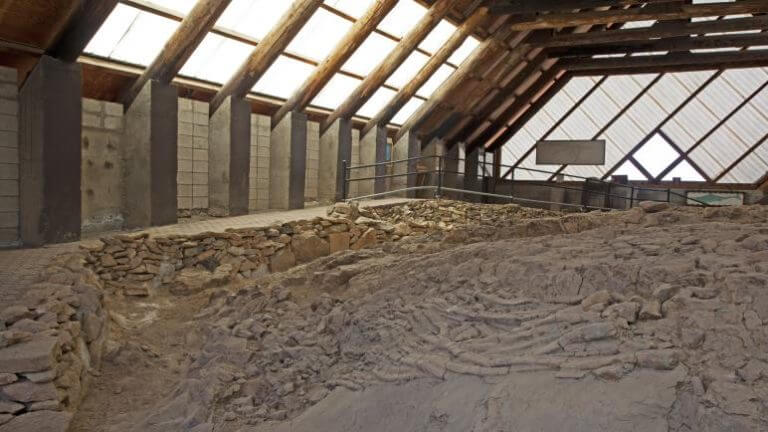
You’re in for a twofold treat at this remote central Nevada state park: a real-deal, early 20th century ghost town and 225 million-year-old marine reptile fossils. Berlin-Ichthyosaur State Park offers a glimpse into Nevada’s rich silver mining history, as well as a literal window into North America’s largest-known concentration of ichthyosaur fossils at the site’s fascinating Fossil House.
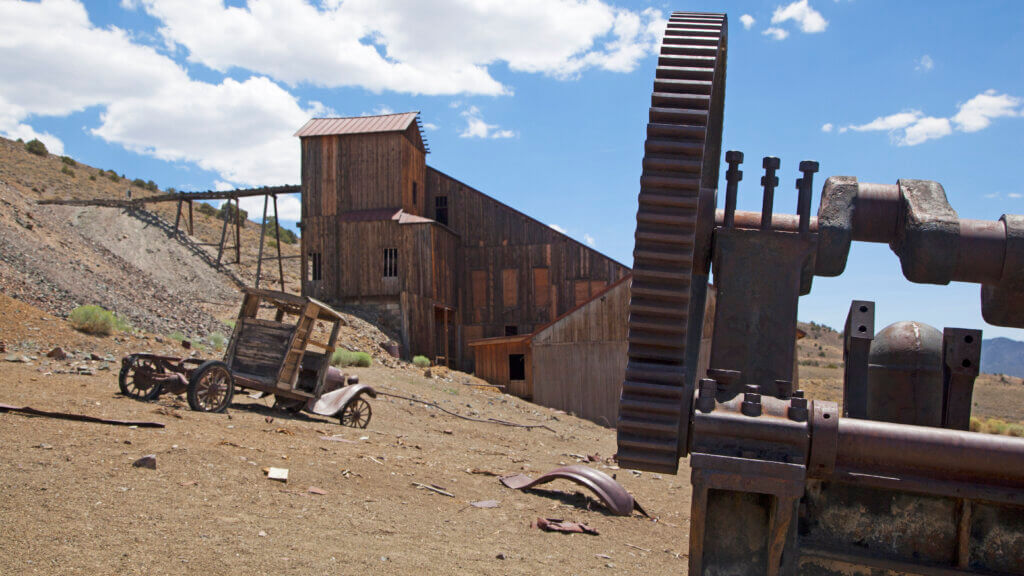
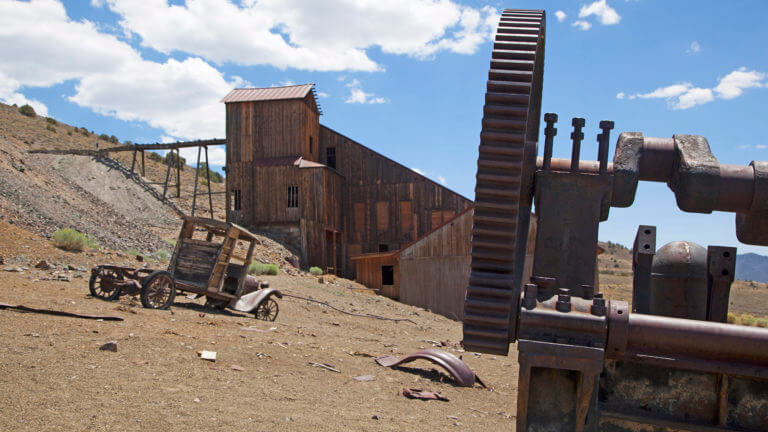
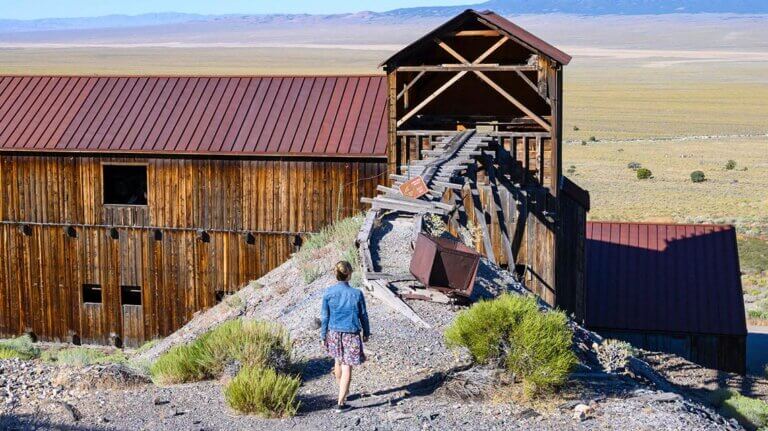
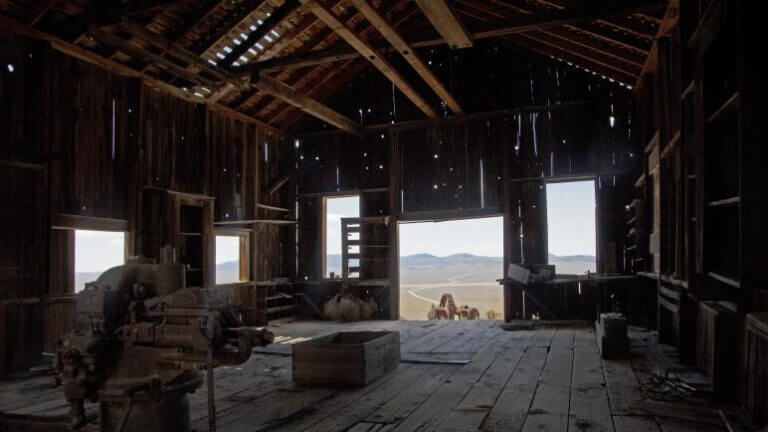
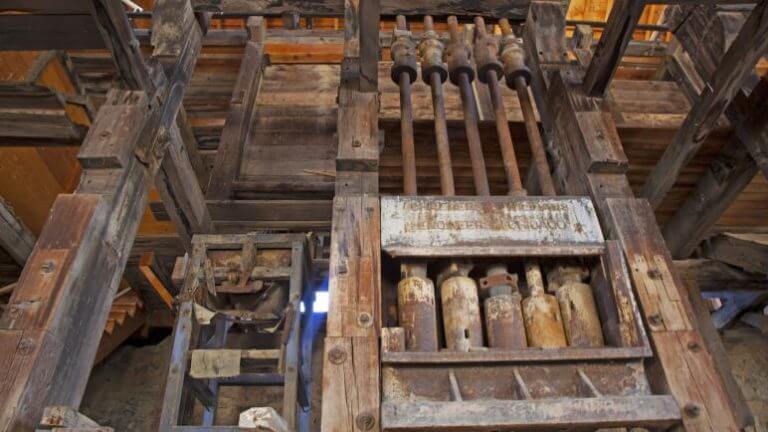
This double-whammy of a state park contains remains of a mining town—with 130-year-old buildings, including an impressive 30-stamp mill—standing just a bone’s throw from North America’s highest concentration of the largest ichthyosaur fossils ever found.
Early Days in Berlin Mining Camp
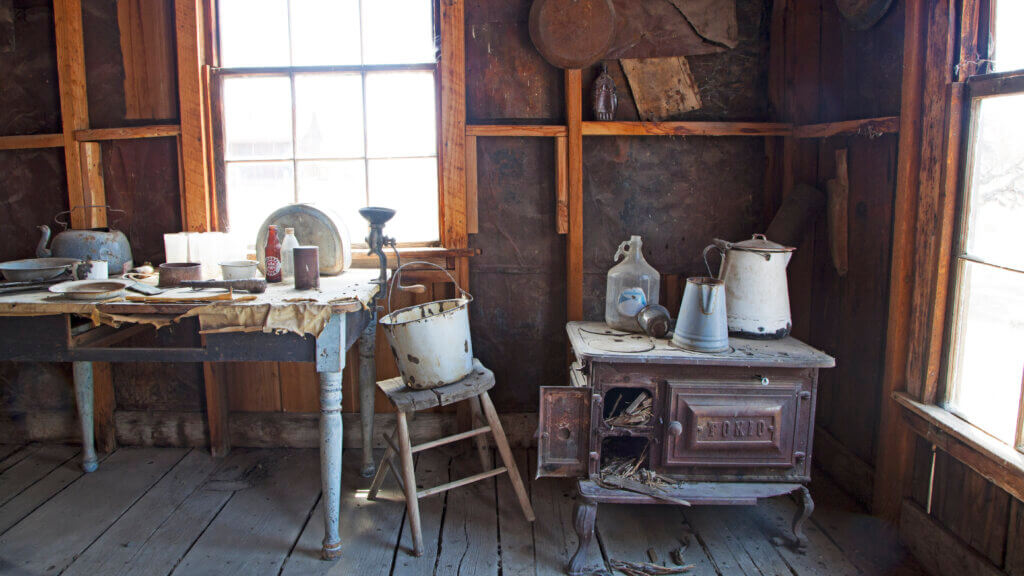
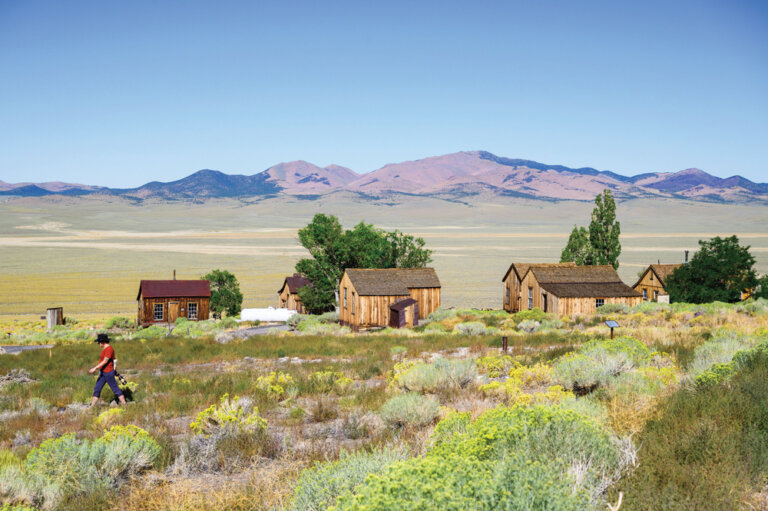
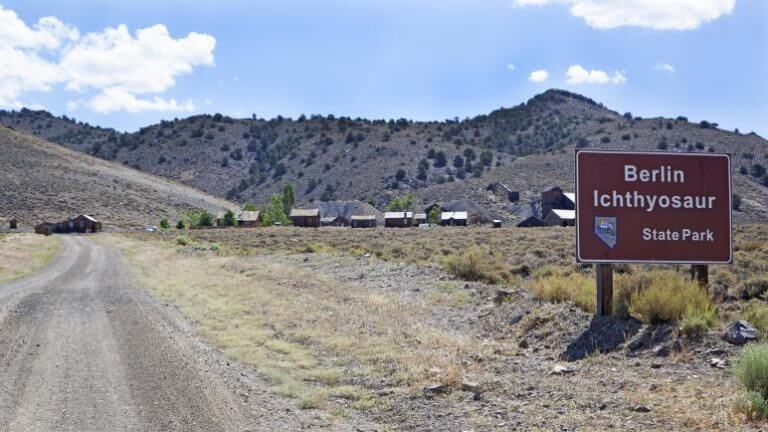
Nestled high against the side of the Shoshone Mountains, the mining town of Berlin sprang to life in 1863. Its popularity was short-lived: Like many boomtowns, the mine dried up and people moved on to more prosperous camps. Berlin was abandoned by 1911, but the small community produced 42,000 troy ounces of gold, totaling $849,000 (worth about $2.3 million today).
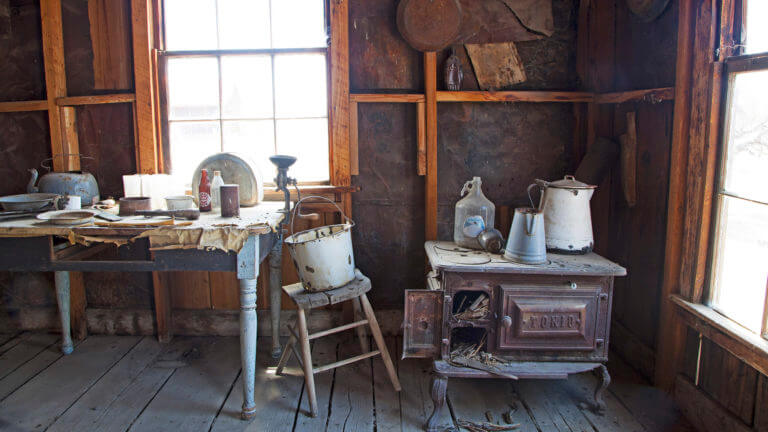
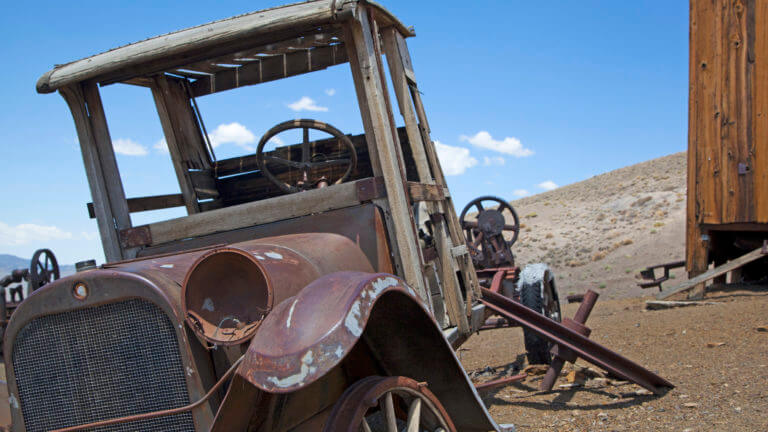
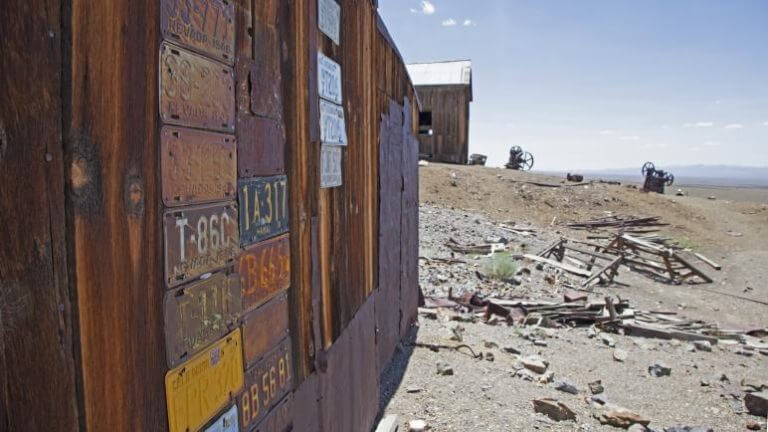
Berlin is a truly iconic Nevada ghost town. Many of the original buildings—all preserved in a state of arrested decay—remain on the grounds, and some of their original occupants lie interred in a nearby cemetery. Take a self-guided tour of the Berlin townsite to imagine what life must’ve been like here in the late 1800s and early 1900s.
The Discovery of the Ichthyosaur in Nevada
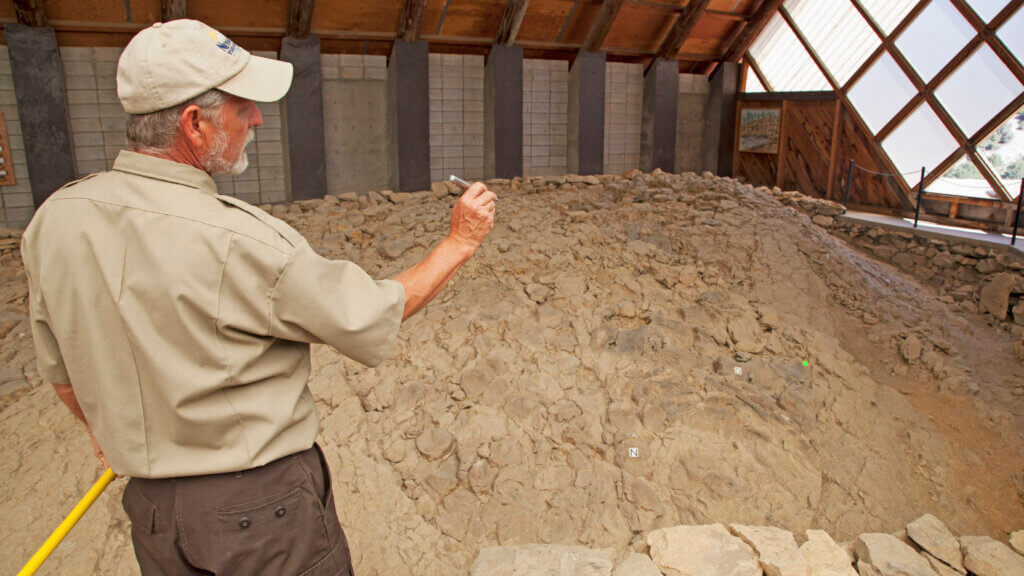
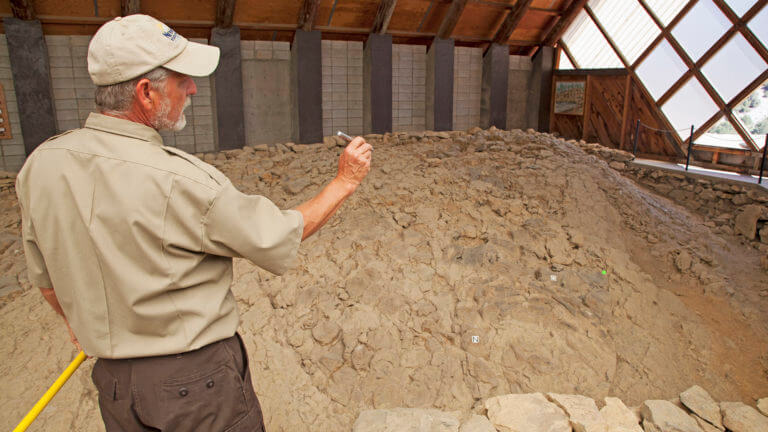
Even with all the mining activity in the area, the people living in this central Nevada region had no idea that 225-million-year-old fossils were sitting right beneath them. While Nevada State Parks now protects all of the history in Berlin, it was originally formed to protect and display North America’s most abundant concentration of the largest-known ichthyosaur fossils. The area was rediscovered in 1928 when Dr. Siemon Muller encountered a naturally eroded area on the hillside above Berlin. Excavations began in 1954, unveiling a total of nearly 40 ichthyosaurs.
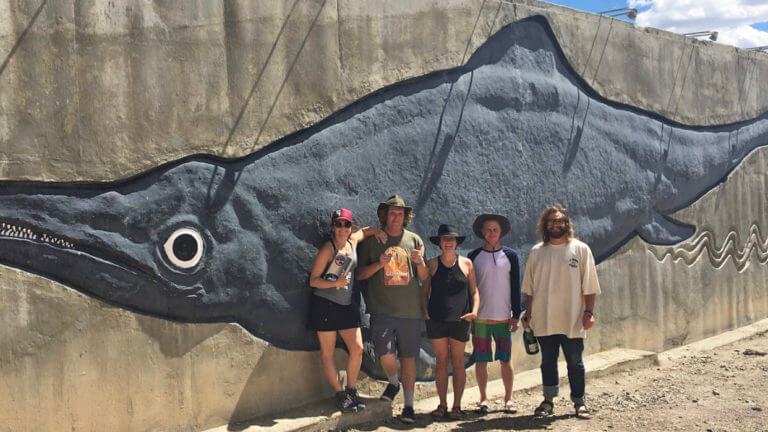
Living during the same period as the dinosaurs, these fascinating prehistoric marine reptiles differ from all other known reptiles. With a fish-like appearance and movement, these toothy-snouted, carnivorous reptiles hunted free-swimming mollusks and can be compared to whales and dolphins, especially in that they gave birth to live young. Ranging in size anywhere from 2 feet to 50 feet in length, ichthyosaurs are one of the most highly specialized reptiles to have ever existed, accolades that earned its status as Nevada’s state fossil.
Today, visitors can take the Fossil House tour to get a glimpse of these fascinating remains. When tours aren’t running, a large viewing window and interpretive signs give visitors an overview of the dig site. For the most up-to-date information on Fossil House tour hours, click here.
Visiting Berlin & Discovering the Nevada State Fossil
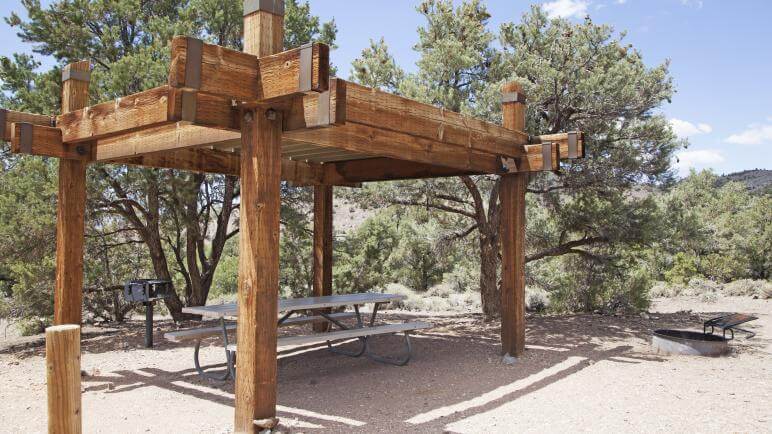
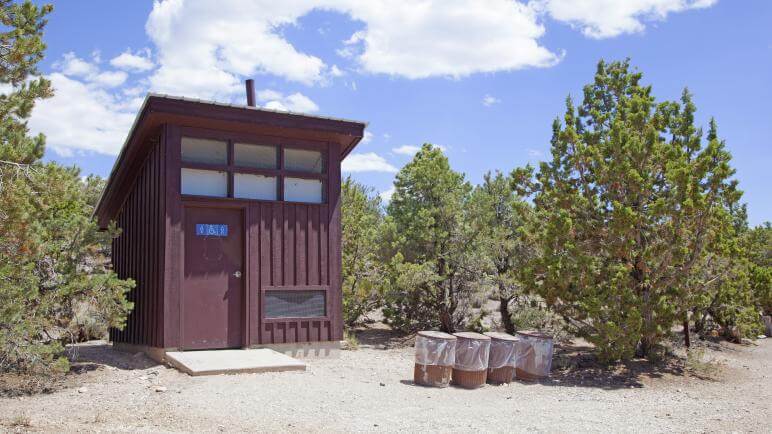
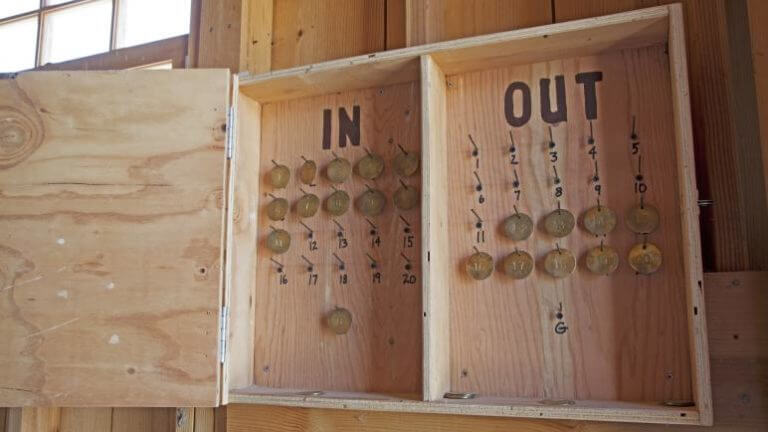
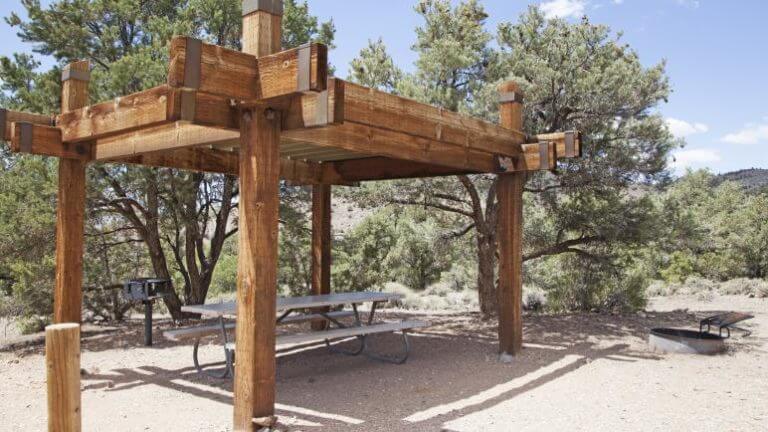
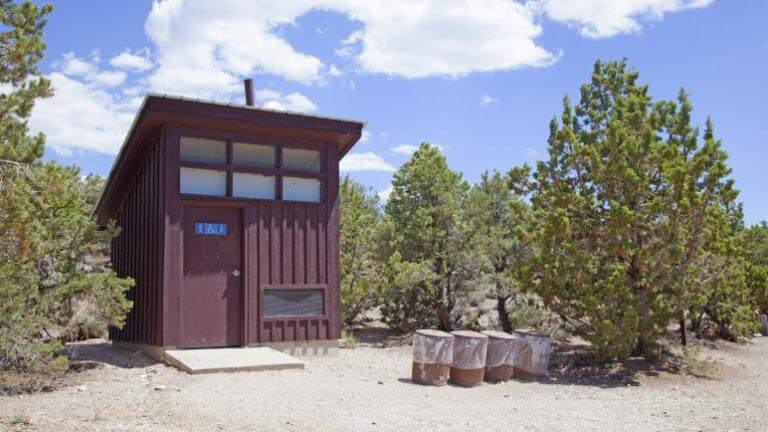
In addition to an impressive amount of history, visitors can enjoy hiking, a picnic area, and a campground in Berlin, Nevada. The park contains 14 well-spaced units with fire rings, grills, covered tables, seasonal drinking water (typically available mid-April through October), and nearby restrooms. Campsites are suitable for tents or RVs up to 25 feet. Reservations for campsites can be made in advance but aren’t required.
Hours:
Berlin-Ichthyosaur State Park is open 24 hours a day, seven days a week.
Admission:
Park entrance to Berlin-Ichthyosaur State Park is $5 for Nevada residents and $10 for out-of-state vehicles. Campsites are $15 per local vehicle per night (includes entry fee) and $20 for out-of-state vehicles. Bring cash, as the park isn’t able to accept credit cards.
This Location:
City
AustinRegion
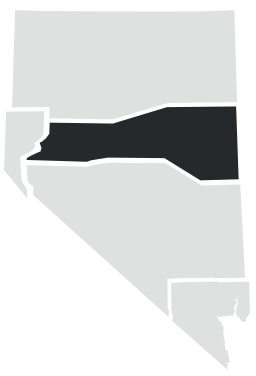
North Central