The V&T Railway
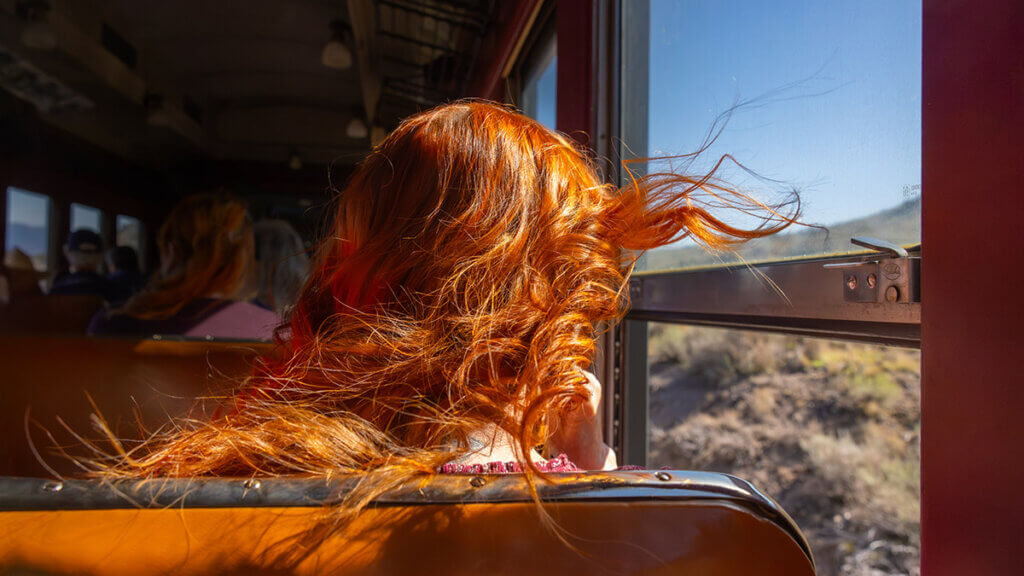

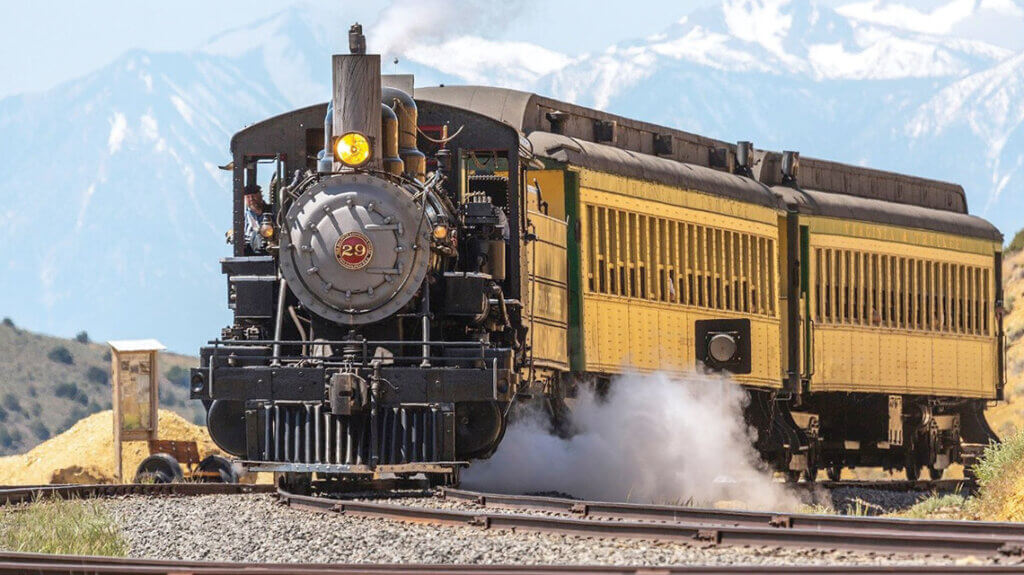
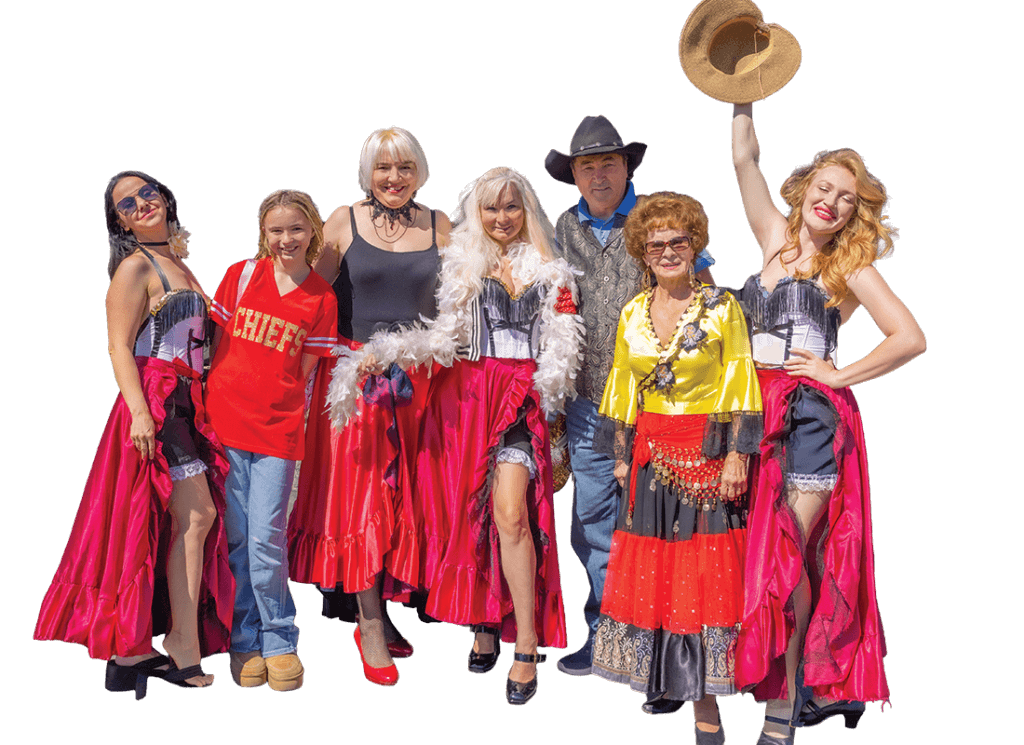
The sun shines bright and hot into our train car, but the breeze coming through the windows scattered throughout provides a sweet respite from the morning’s unexpected warmth. The windows also allow the sound of the train’s wheels—the proverbial clackety-clack—to filter into the car, and it mixes with the excited chatter of my fellow riders. If I squint my eyes a bit, the chattering group across the aisle could be a troupe of performers circa late 1870s making its way to Virginia City, ready to entertain the crowds at Piper’s Opera House. Eyes fully open, I see my fellow passengers (albeit some in period costumes) riding the Virginia & Truckee (V&T) Railway from Carson City to Virginia City on a beautiful September day.
A Journey Through Time
I’m taking a journey that thousands have taken before, and I’m not just talking about the popular tourist attraction I’m on, but one that began in the late 1800s. Our train closely follows the original route of the V&T, which operated at a time when thousands of miners, shopkeepers, and families flocked to the burgeoning city in the mountains that was once home to the largest discovery of silver in U.S. history.
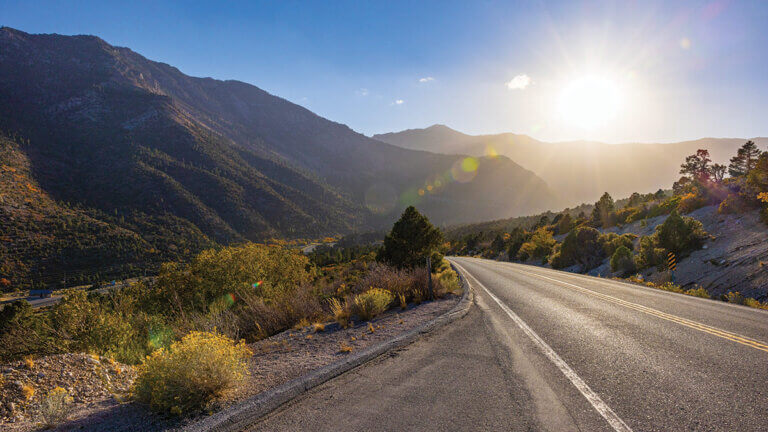
As we depart the V&T’s Eastgate Depot, the train meanders through the Virginia Range, just as it did more than 150 years ago. Along the way, the conductor points out the mines and tailing piles that still dot the hills. Some of which are worked by today’s fortune seekers, but most were left by the miners of days gone by. The train winds slowly along the hills at a gentle grade; the occasional whistle and puff of smoke adds to the trip’s timeless charm.
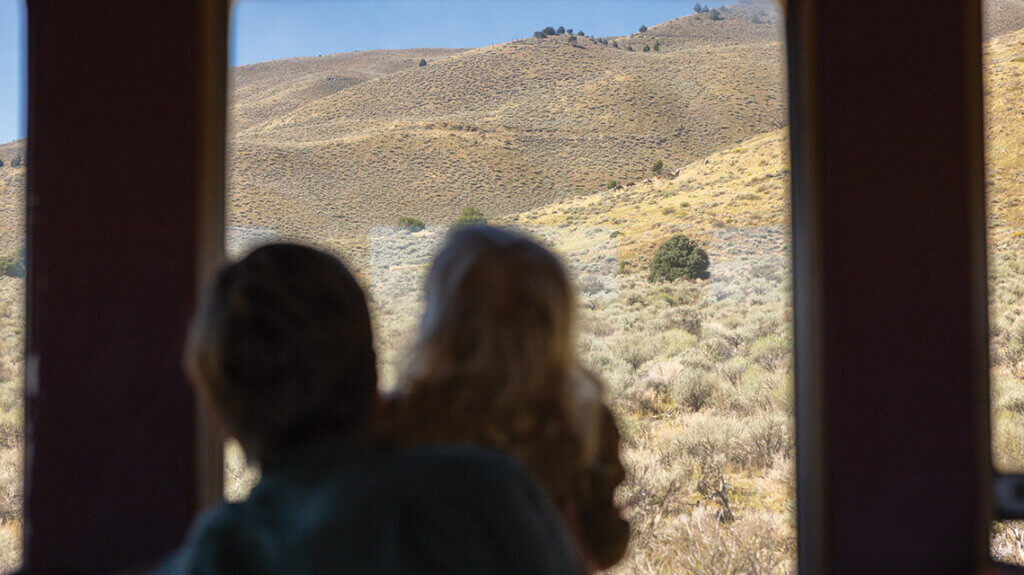
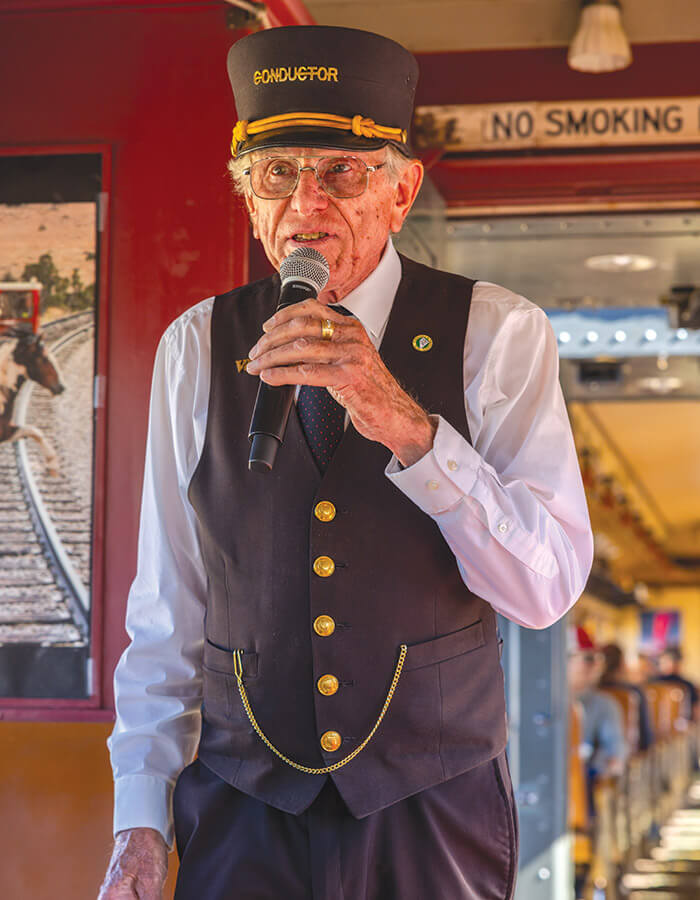
The conductor keeps up a consistent stream of anecdotes from the silver rush years—tales of those who made fortunes and those who did not. Many elicit smiles and chuckles from the passengers as the legends and lore of Virginia City’s more colorful characters come to life. We also hear facts about the mines themselves and the innovations that came from the Comstock, which still impact today’s mining industry.
We hear about the great Incline of the Sierra Nevada that was built to bring needed lumber from Lake Tahoe to Virginia City, along with Adolph Sutro’s brilliant tunnel that would have helped drain dangerous water from the mines if only the ore hadn’t begun to play out by the time it was completed. And of course, our conductor tells us how the V&T itself was built from the need to move massive amounts of ore from Virginia City down to the shores of the Carson River for easy transport to refining operations.
Station to Station
Fascinating as all this history is, the lessons land even more deeply as you hear them told as you pass through the environs where they first occurred. This beautifully meta moment barely has time to sink in when I hear one of my fellow passengers yell, “Horses!”
Sure enough, someone’s keen eyes have spotted a band of wild horses, and the whole car is suddenly at the windows, cameras and cellphones in hand. The excitement of that moment is barely over when our train begins its pass along the Overman Pit. For at least half of the car—those on the side facing the embankment—it’s either an incredibly thrilling moment or a slightly terrifying one, but either way, the 120-foot-deep pit is a sight to behold as the train looms above. If you aren’t on the correct side on the way up, stay on that same side on the way back so you’re sure to see it.
After about 90 minutes of sites and stories, the train pulls into the station in Virginia City, where we enjoy a leisurely, three-hour visit of the town that spurred Nevada’s mining industry into high gear.
With myriad museums, restaurants, shops, and saloons, my party and I wander the wooden boardwalk, shopping for sweets at Barrels O Candy and admiring the craftsmanship at the Virginia City Hat Maker. We stop by “The Territorial Enterprise” building—sadly closed—to peer in the windows of Mark Twain’s former place of employment before heading to The Roasting House for a delicious lunch.
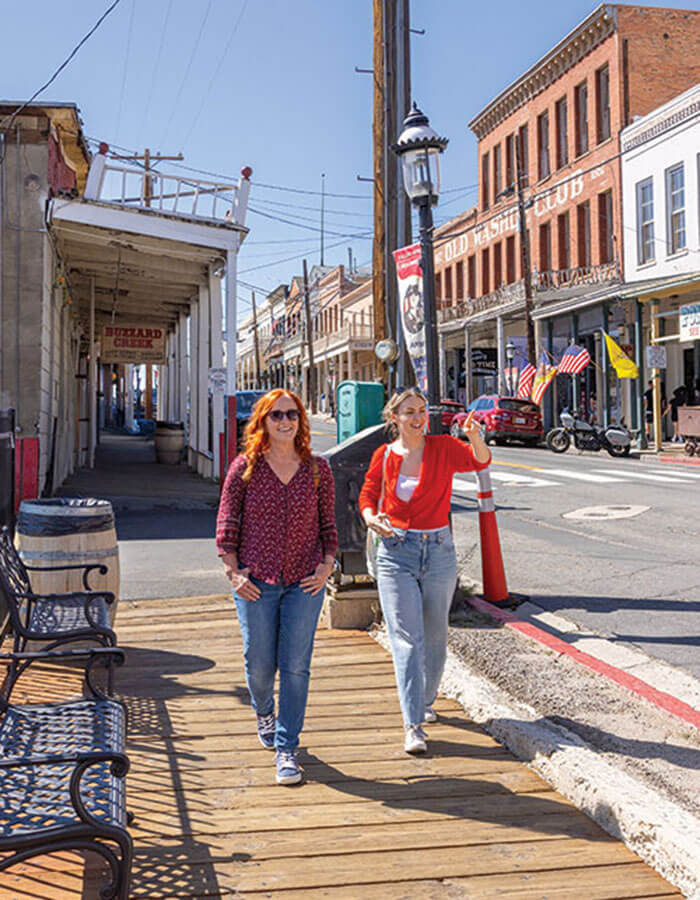
With myriad museums, restaurants, shops, and saloons, my party and I wander the wooden boardwalk, shopping for sweets at Barrels O Candy and admiring the craftsmanship at the Virginia City Hat Maker. We stop by “The Territorial Enterprise” building—sadly closed—to peer in the windows of Mark Twain’s former place of employment before heading to The Roasting House for a delicious lunch.
With so much available, we are hard-pressed to see even a slice of it before the train whistle calls us back to the station.
On my return trip to Carson City, I once again think of those traveling this way so many years ago. As I take in the thoughtfully decorated train car with its historic photos and vintage traveling cases atop polished wood racks, laugh at the conductor’s stories, and enjoy the views along my journey, I know I’m only getting a glimpse of how the denizens of the late 1800s lived.
To travel by train is often romanticized, and with good reason: There really is nothing like it. To that end, taking a ride on the V&T Railway is an experience that has left me feeling richer for having had it. But next time, I’m going to dress up in a period costume, too.

Travel Nevada Pro Tip
If you’re based in Virginia City or looking for a shorter excursion, consider taking the V&T Railroad from Virginia City to Gold Hill. The V&T Railroad is the historical predecessor to the V&T Railway, and the train ride is 35 minutes. More information
can be found at virginiatruckee.com.