
Cathedral Gorge State Park
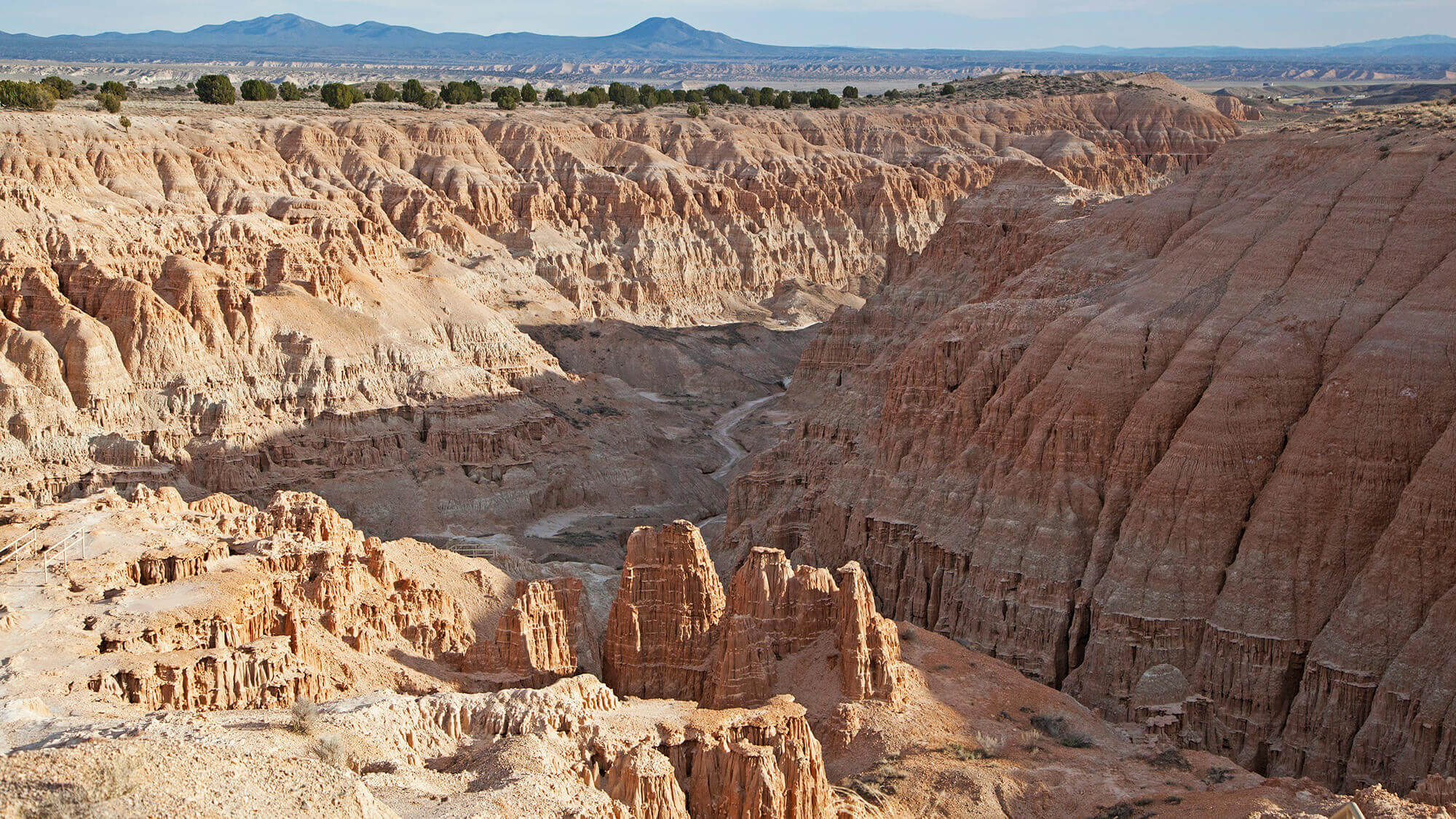
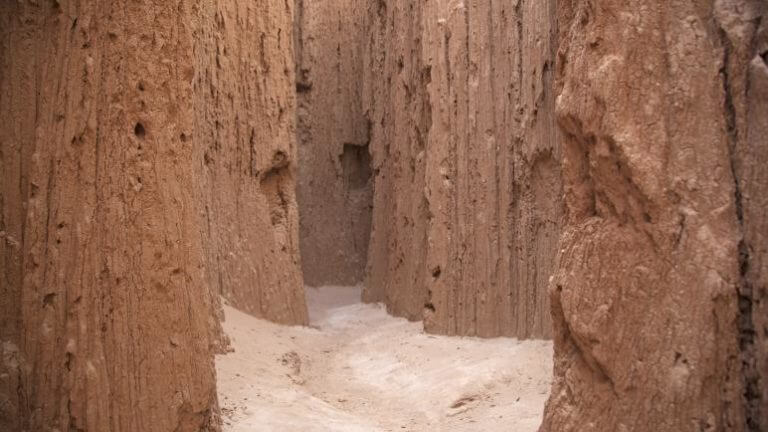
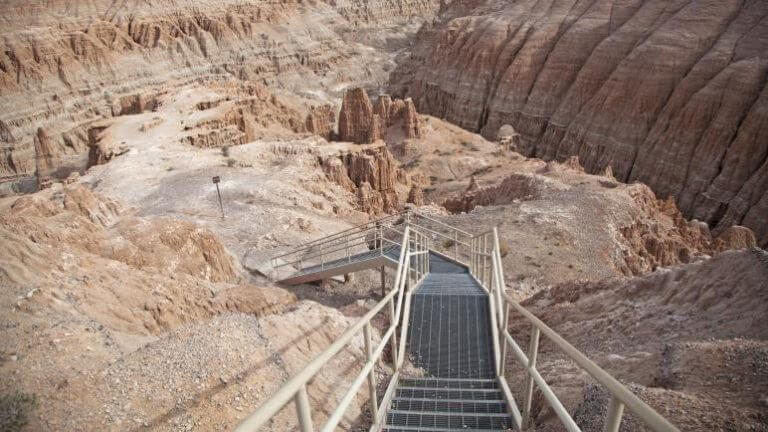
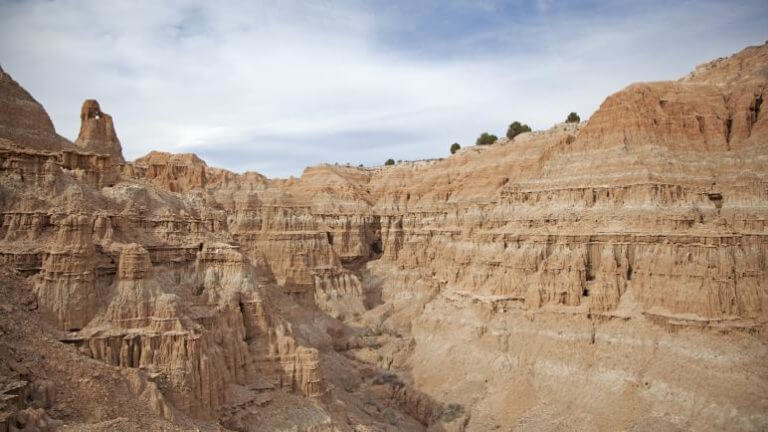
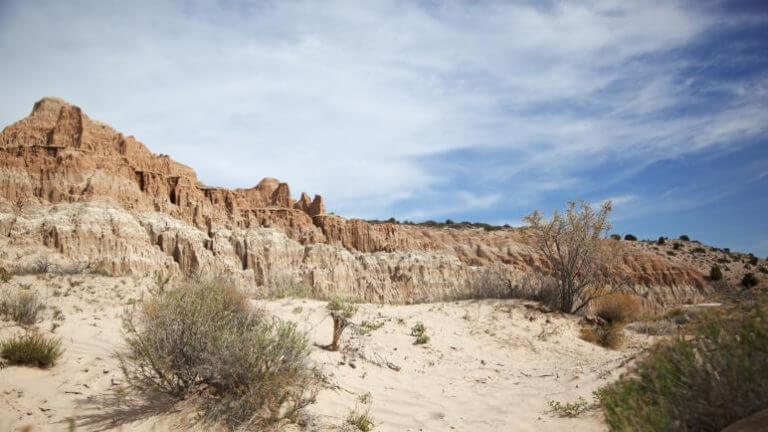
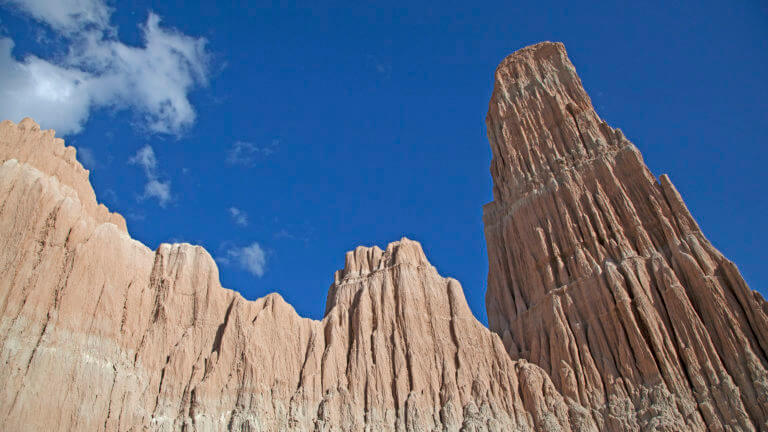
Among the several state parks clustered around the towns of Caliente and Pioche, Cathedral Gorge may be the region’s crown jewel, thanks to spectacular slot canyons, spires, hoodoos, and other otherworldly erosional features. To get the lay of the land, start at Miller Point Overlook, where a gazebo made by the Civilian Conservation Corps in the 1930s makes a perfect vantage for sunrise or sunset views of the slot canyons below. From there, you can hike the Miller Point Trail down into the park’s stunning landscape.
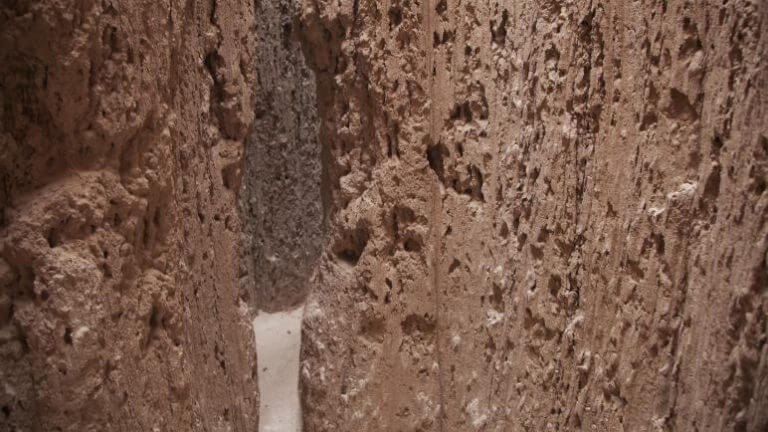
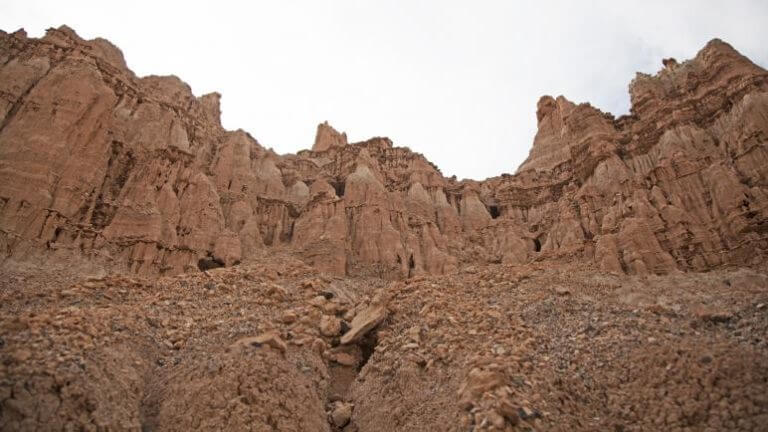
Once completely underwater, this sanctuary of eroding fins, slot canyons, and hoodoos makes Cathedral Gorge State Park a photographer’s dream and a hiker’s playground.
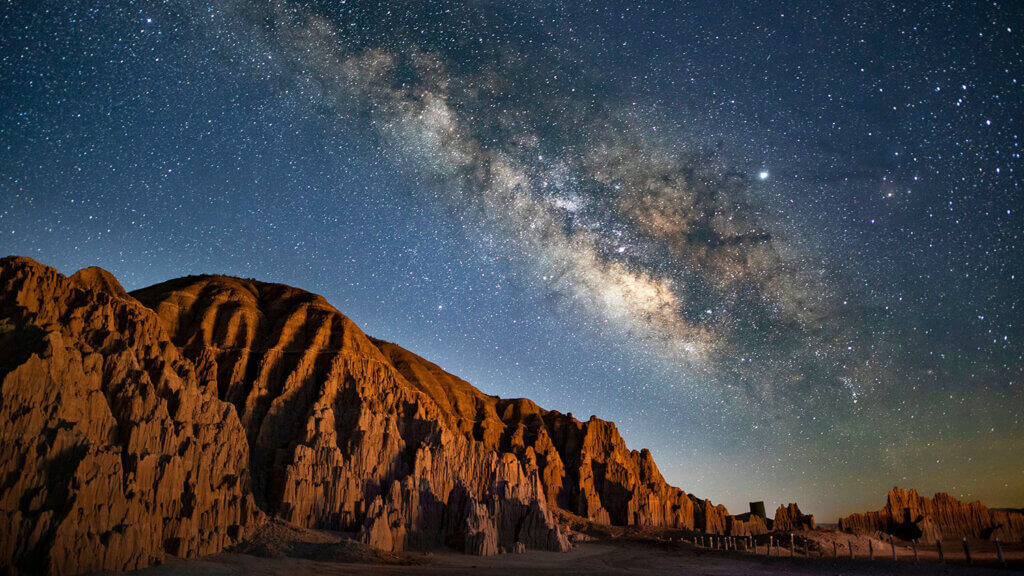
Other popular activities at Cathedral Gorge include camping, hiking, picnicking, exceptional stargazing, and (of course) photography. While you’re in the area, be on the lookout for black-tailed jackrabbits, cottontail rabbits, kangaroo rats, mule deer, and bobcats. At night, watch for coyotes and kit foxes, too.
Cathedral Gorge History
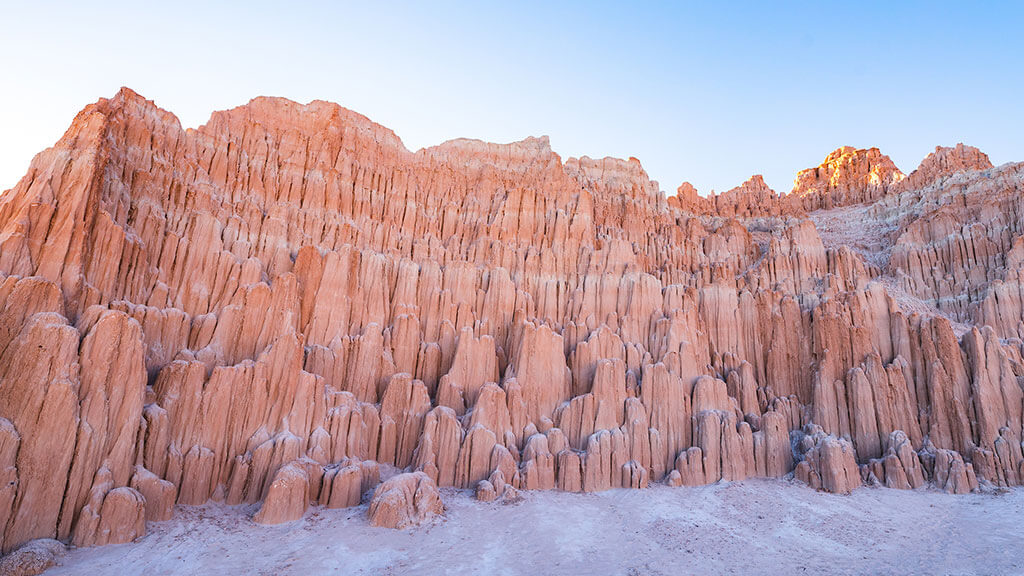
The otherworldly spires and bluff-colored cliffs found throughout Cathedral Gorge State Park are the result of millions of years of geologic activity. Volcanism occurred throughout the region, dispersing layers of ash hundreds of feet deep and forming unique patterns in the soft bentonite clay. After a series of violent eruptions, the bedrock fractured, allowing both sides of this fault to shift.
The faulting formed what is now known as Meadow Valley, and over time, it filled with water and created a freshwater lake. Over the centuries, this prehistoric lake began to gradually drain, and as the lakeshore erosion continued, it exposed ash and pumice left behind from ancient volcanic activity. What you can see and experience in Cathedral Gorge today is a result of the lake drying up entirely. To this day, as rain storms pass throughout the region, the bentonite clay slot canyon walls will become very soft and impressionable—meaning it changes shape after every weather event.
Although early pioneers first settled in the region during the late 1800s—mostly for mining and agriculture—the proliferation of the automobile in the 1920s really put Cathedral Gorge on the map. Droves of people headed to this exotic landscape for hiking, picnicking, and open-air vaudeville shows that took place in modern-day park boundaries.
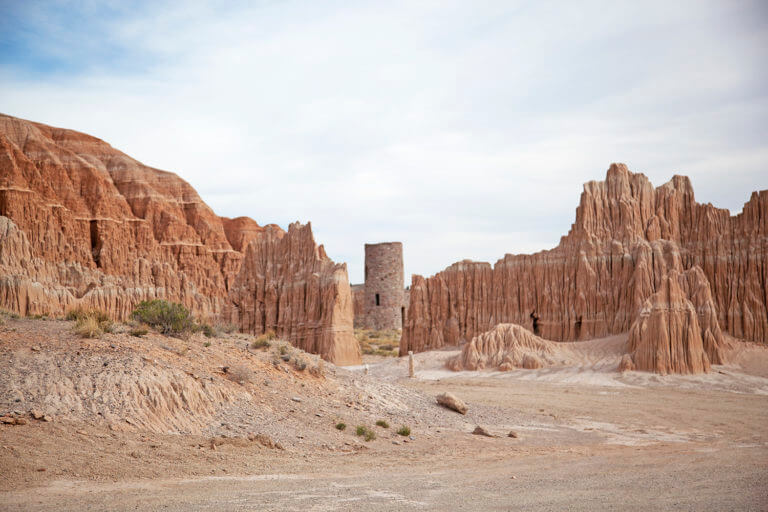
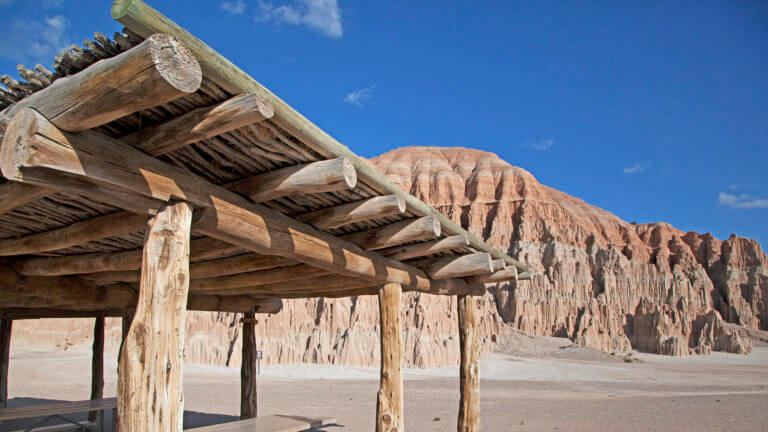
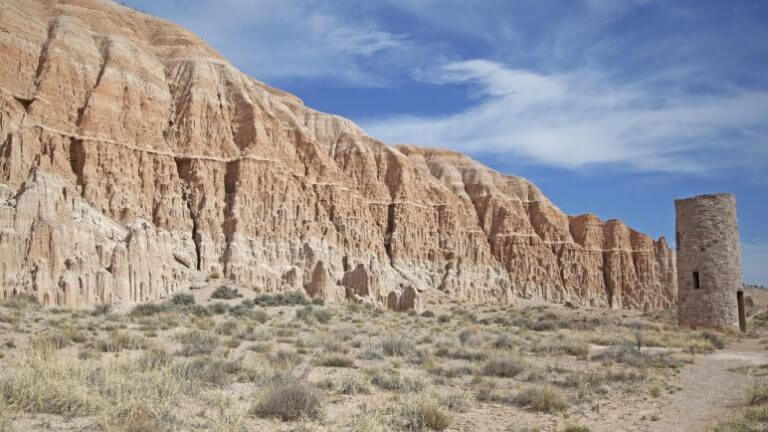
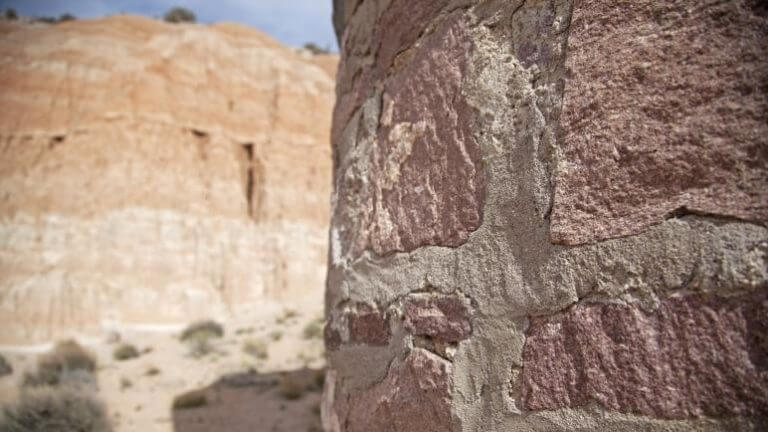
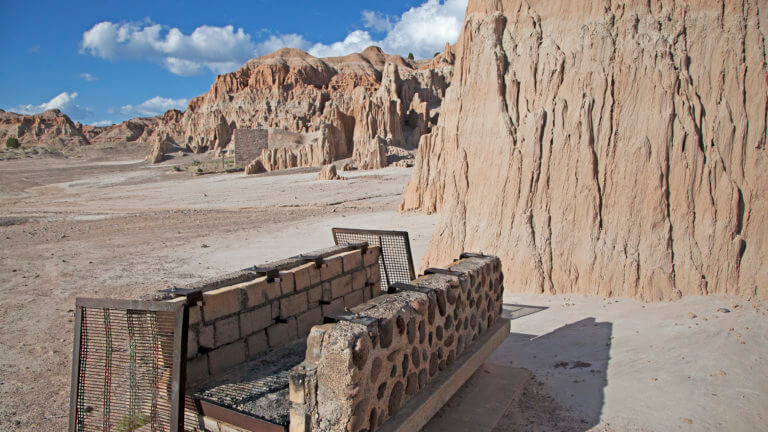
Cathedral Gorge became one of Nevada’s first four state parks in 1935 with the help of the Civilian Conservation Corps, who also built nearby Kershaw-Ryan State Park and Beaver Dam State Park during the same timeframe. Many of Cathedral Gorge’s picnicking facilities—like stone-masoned fire pits and a distinctive shade ramada—were constructed by the CCC in the 1930s, along with a photogenic water tower and restrooms.
Camping at Cathedral Gorge, Nevada
The Cathedral Gorge campground has 22 sites and two group camp areas, each equipped with a picnic table, grill, and shade ramada. Electrical hookups are also available. Water and flushing restrooms with coin-operated showers are open year-round, with handicap-accessible sites available. Due to the popularity of camping at Cathedral Gorge, campsite reservations are highly recommended to secure your spot.
Hours:
Cathedral Gorge State Park is open 24 hours a day, seven days a week. Aside from holidays during the winter, the visitor center is open daily from 9 a.m. to 4:30 p.m.
Admission:
Park entrance to Cathedral Gorge State Park is $5 for Nevada residents and $10 for out-of-state vehicles. Campsites are $15 per night for Nevada residents and $20 per night for out-of-state vehicles. Campsites with utilities are an extra $10 per night.
This Location:
City
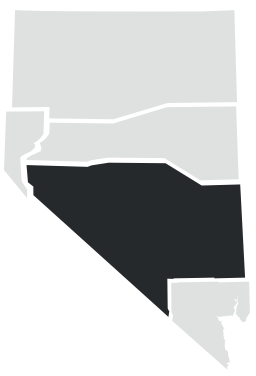
PiocheRegion
Central