The Forgotten Winchester
BY RON SOODALTER
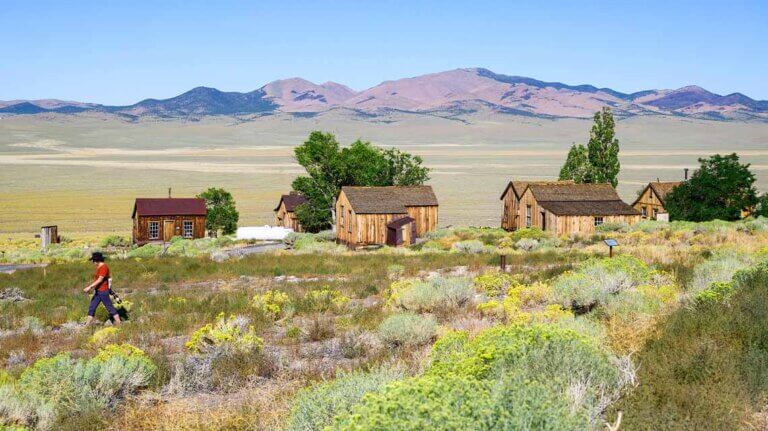
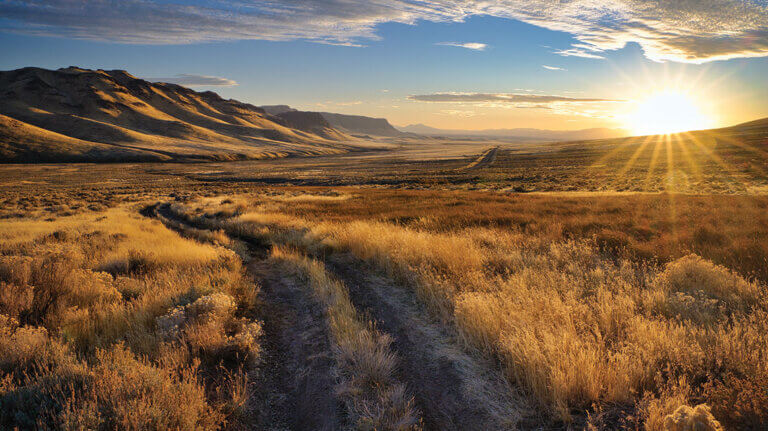
East-central Nevada’s White Pine County is the site of the breathtaking Great Basin National Park. Twelve years ago, three park archaeologists on a hunt for native artifacts chanced upon a discovery that would attract national attention, thrill western historians and firearm enthusiasts alike, and uncover a mystery that is yet to be solved.
Standing Sentinel
Out of the corner of her eye, head archaeologist Eva Jensen happened to spy a weather-beaten rifle leaning muzzle-skyward against a juniper tree.
“There was a moment of instant recognition,” she recalled, “but my brain wouldn’t accept what I was seeing. It just didn’t belong there! I must have screamed, because the other two in my party came running, probably thinking I’d fallen off the ridge.”
The excited team extricated the stock from 4 or 5 inches of dirt and debris. After ensuring that there was nothing else of historical value at the site, they carefully prepared the rifle for travel.
The relic was a Winchester Model 1873 lever-action repeating rifle, in the company’s standard .44-40 caliber. Of all the long guns used in “taming” the frontier, this model is by far the most iconic. The immensely popular ’73 Winchester, in combination with Sam Colt’s legendary Single-Action Army .45 Peacemaker, were the guns that proverbially “won the West.”
Standing Sentinel
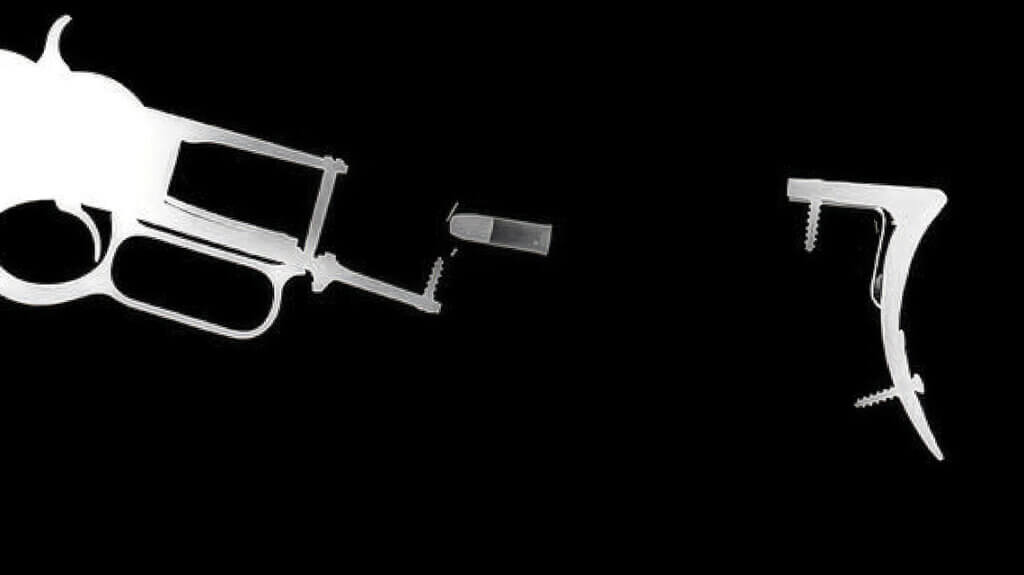
Exposed for decades to the extremes of Nevada’s high desert weather, the rifle’s condition was rough, to say the least. Its wooden stock was dry and split, with a tack holding it together. The barrel and receiver were rusted, and the loading and firing mechanisms were frozen. The weapon was nearly complete; however, someone, presumably the owner, had removed the lifter lever and carrier block—two parts essential to the workings of a repeating rifle—thereby reducing it to a single-shot weapon.
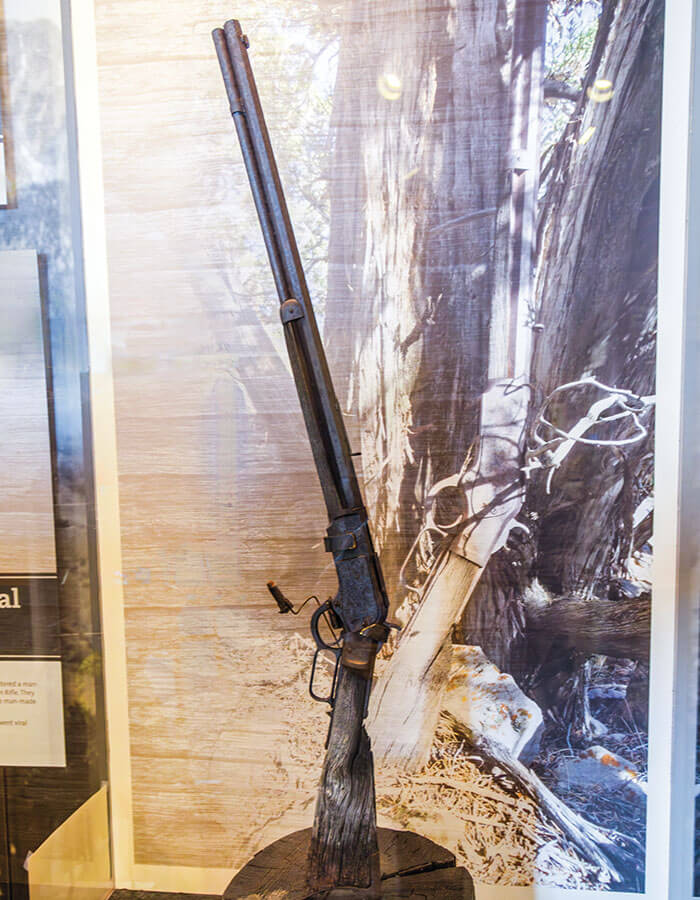
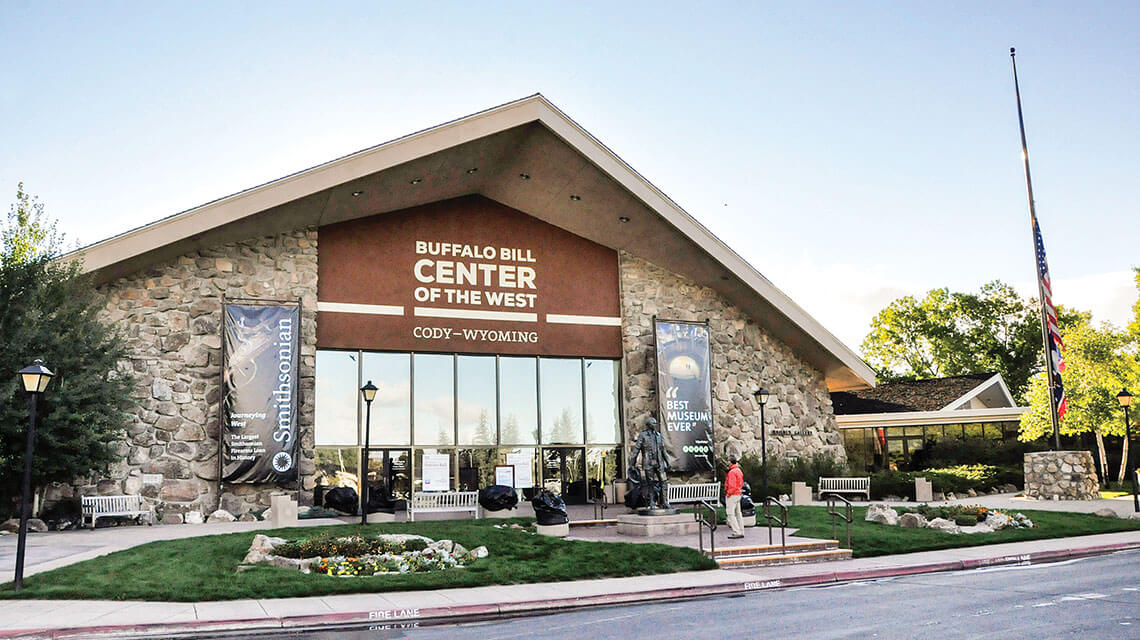
Rather than attempt to restore it, officials from the National Park Service decided to stabilize the weapon in order to prevent further decay. They took the rifle to the renowned Cody Firearm Museum in Wyoming, an adjunct to the Buffalo Bill Center of the West’s Cody Firearms Center, for conservation and further research.
Before beginning treatment, the conservators in Cody first had the rifle x-rayed at a local hospital to determine if it was loaded since the conventional method of inserting a dowel down the barrel was unsuccessful. Although the gun proved to be empty, a single .44-40 black powder cartridge had been inserted far up the cleaning rod compartment in the rifle’s buttstock.
This cartridge’s caliber was standard with all of Winchester’s early Model ‘73s. When Colt introduced its Model ‘73 single action revolver in the same caliber—dubbed the Frontier Six-Shooter—the ammunition’s interchangeability made the two weapons all the more popular. When a cowboy, lawman or desperado drew ammunition from his belt or saddle pocket, he no longer needed to be concerned with grabbing the wrong caliber cartridges.
Although they don’t list its destination, the Winchester historical records indicate the gun was shipped in 1882. This was a significant year in the annals of the West. In April, a notorious Missouri bank and train robber named Jesse James was shot dead by a member of his gang. Six months later, the citizens of Tombstone, Arizona Territory, witnessed the bloody street fight inaccurately labeled the Gunfight at the OK Corral. Meanwhile, William Frederick Cody, aka Buffalo Bill, was putting together plans to bring his “Wild West” extravaganza to the rest of the country, and ultimately, to Europe. And by this time, the tens of millions of bison that had long roamed the plains had been reduced to fewer than a thousand.

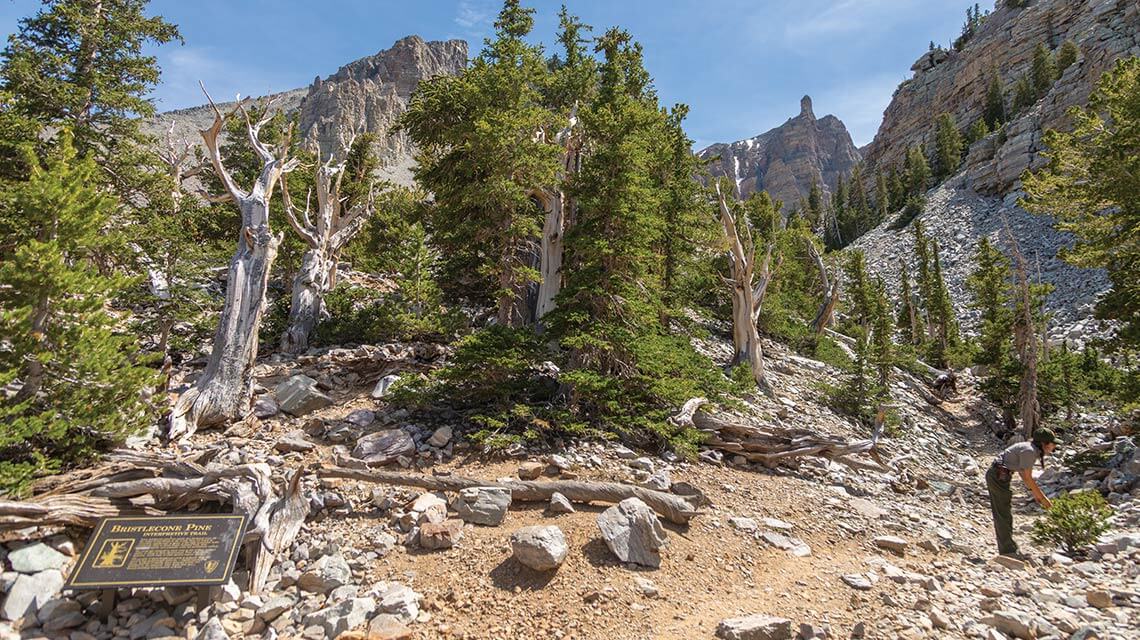
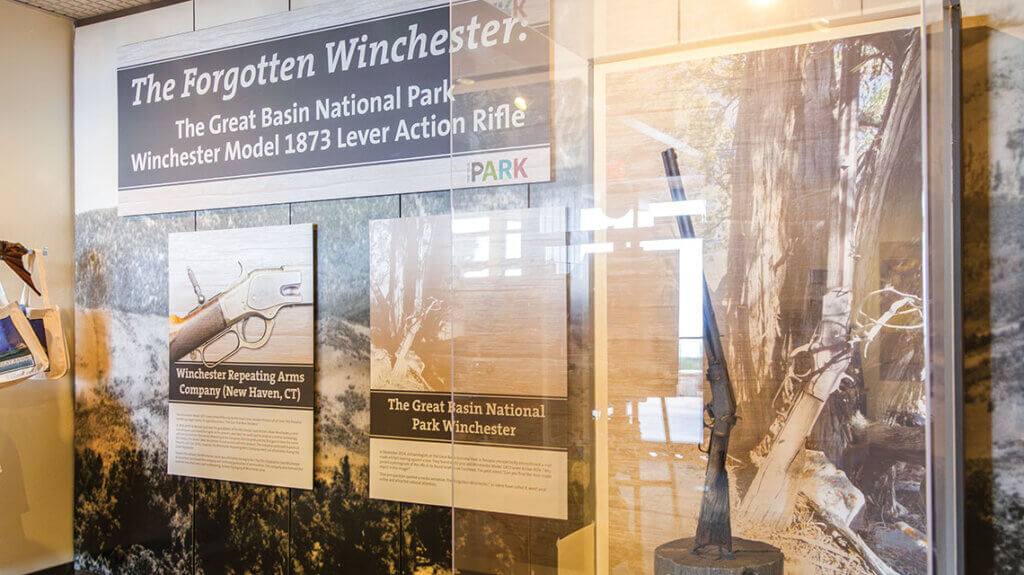
More than a decade later, none of these questions have been definitively answered, and according to staff members at Great Basin National Park, the mystery might never be resolved. Today, the weapon is on display at the park’s visitor center in Baker. When an online questionnaire went out asking the public for their thoughts on how the rifle came to be left where it was found, the overwhelming majority—perhaps in jest—responded, “Aliens!”
Visit Great Basin National Park—Nevada’s only national park—to see not only the Forgotten Winchester but the last remaining glacier in the Silver State and some of the Earth’s oldest trees.