Nevada Underground
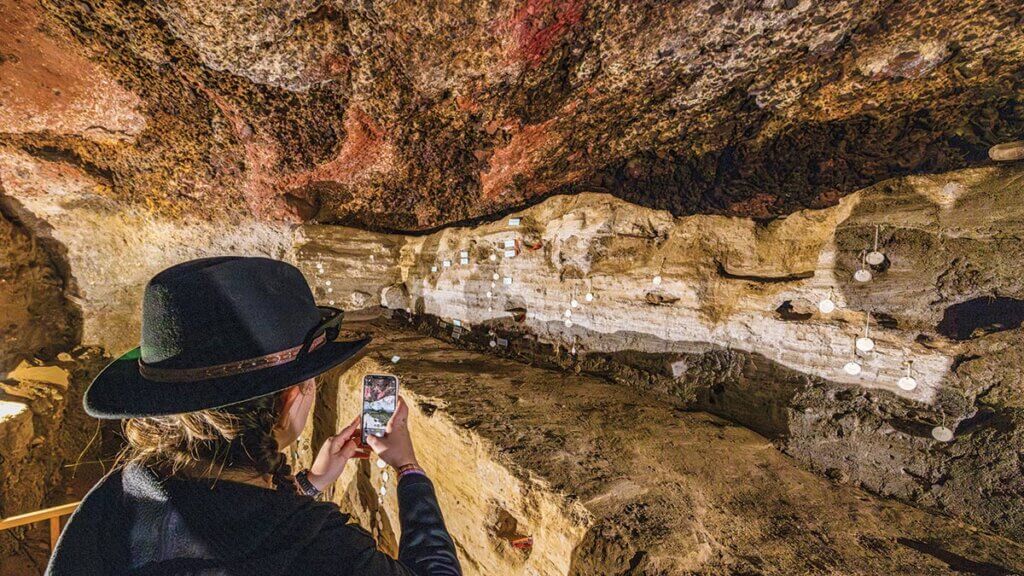
Caves were part of the human experience long before innovations like the wheel or plant domestication. For countless millennia, they were storehouses, gathering places, and canvases for human expression.
Today, apart from niche hobbyists, caves come up much less in our daily lives. But it doesn’t have to be that way! If literally delving into the depths of prehistory—and maybe a bit of desert ecology—sounds like your idea of a good time, there are a few caves we’d recommend intrepid visitors take the time to discover.
Toquima Cave
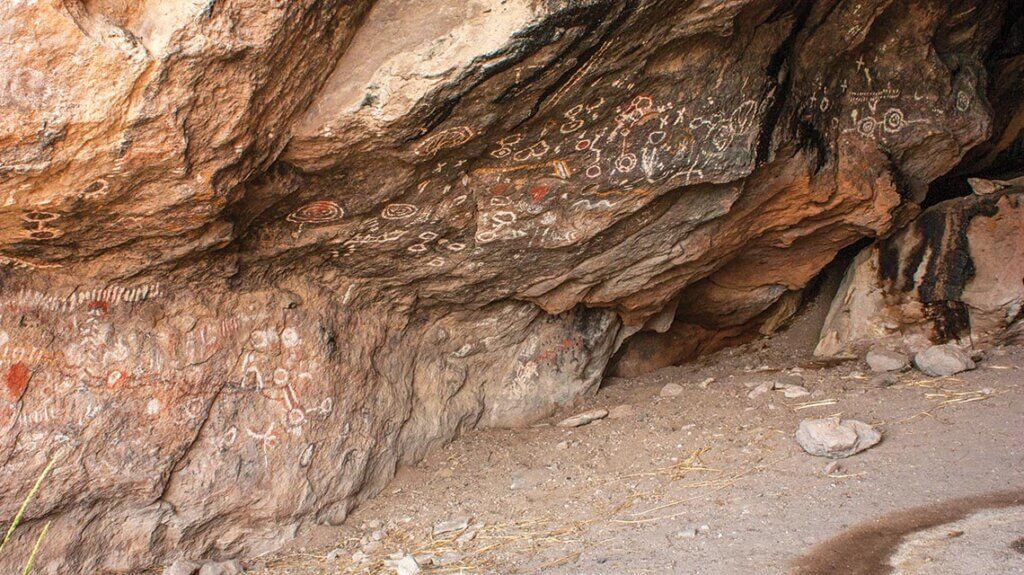
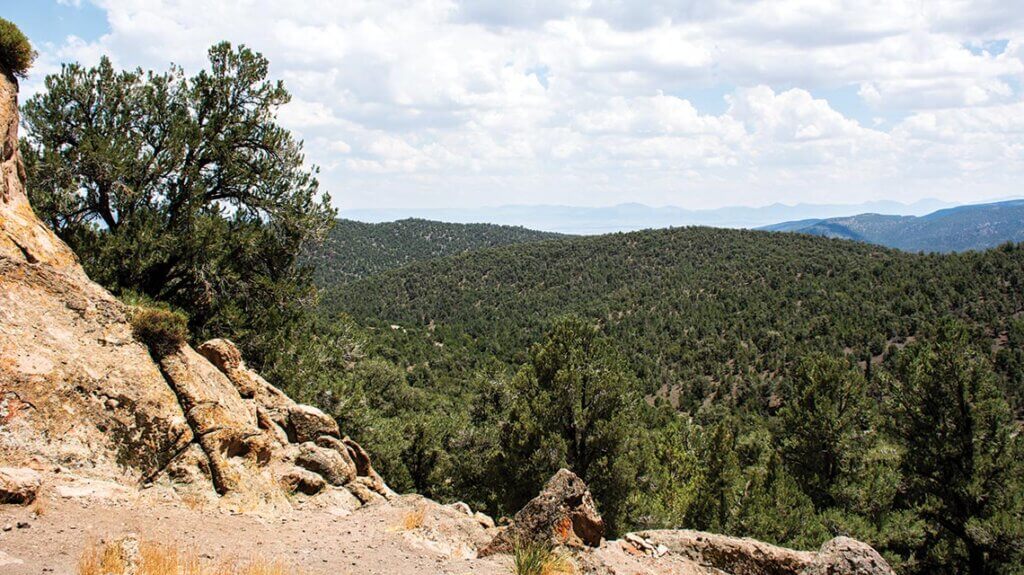
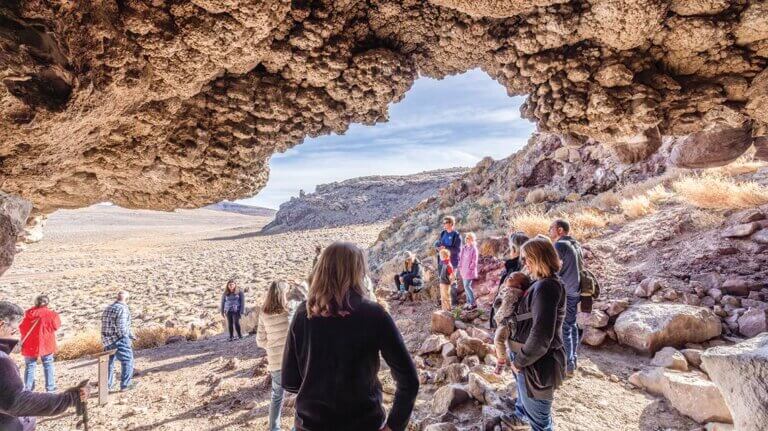
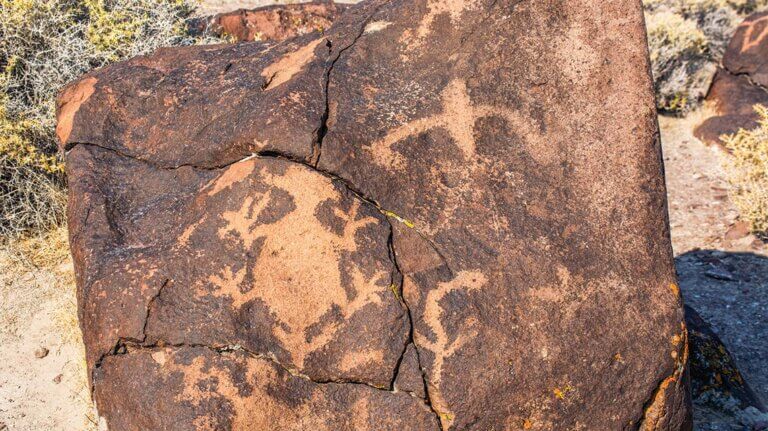
Located 45 minutes southeast of Austin, Toquima Cave is one of the state’s most impressive cultural sites. It was used by the Western Shoshone thousands of years ago for shelter and storage. Fortunately for us, some created vibrant pictographs as a record of their visit.
You might be familiar with petroglyphs (rock symbols carved with a tool). Pictographs are painted with pigment made from minerals and oil (such as powdered turquoise and animal fat). While petroglyphs are common, pictographs are definitely not: As you’ve probably experienced, paint left outside will easily fade over time. But thanks to a combination of alpine elevation, dry climate, and protection from the elements, the pictographs at Toquima Cave remain in excellent condition.
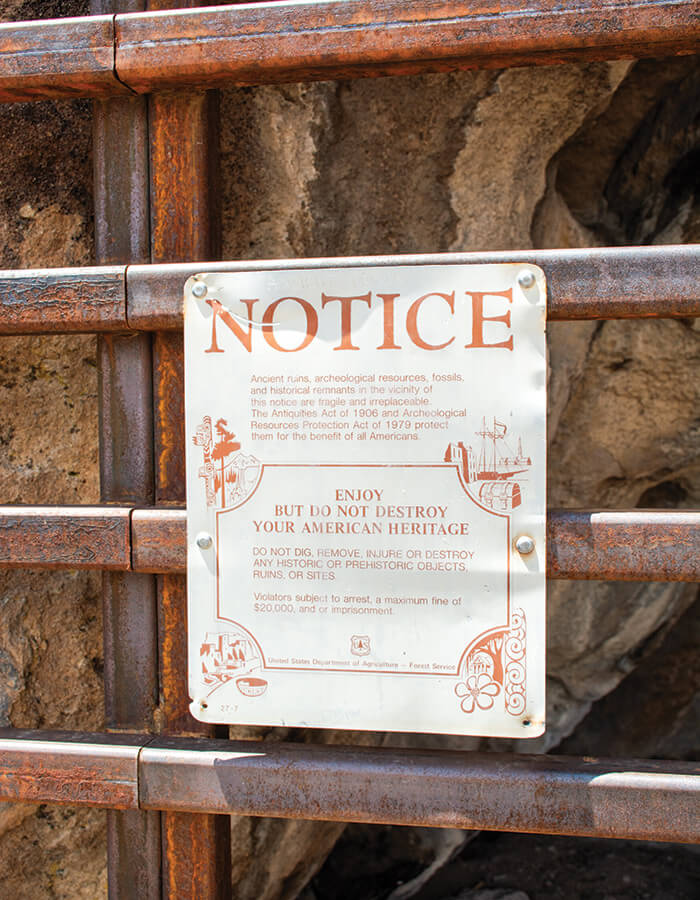
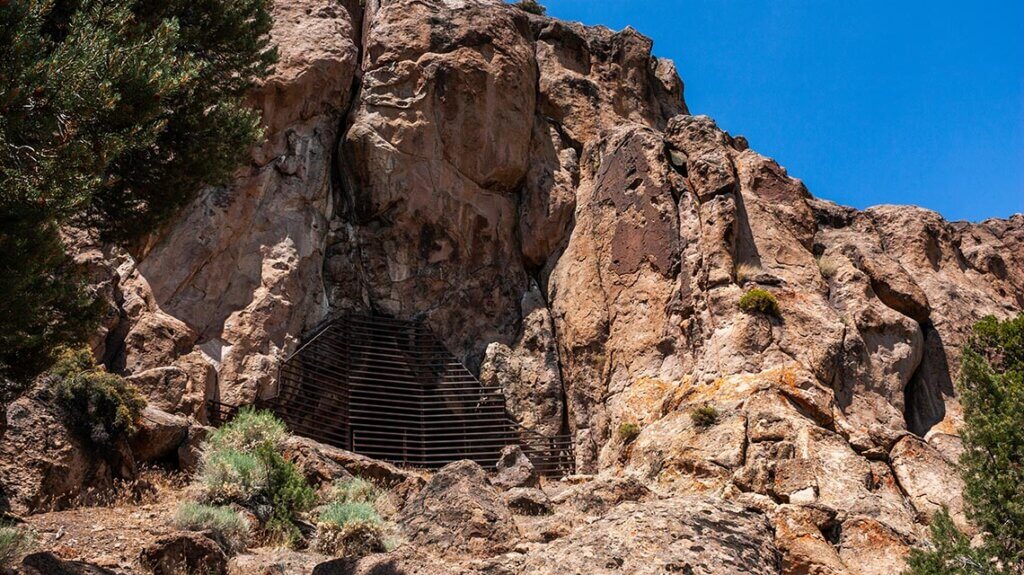
The site is easy to reach, though its remote location warrants some research and planning. After parking at the Toquima Cave Campground, take the easy, half-mile hike to the site. Upon arrival, you’ll find a giant barricade at the entrance to help protect the pictographs. That said, a camera easily slips through the fence for amazing photo opportunities.
Lehman Caves
Legend has it that in 1885, Absalom Lehman was riding his horse near the Nevada-Utah border when the ground suddenly broke beneath him. The horse and rider tumbled through the chasm, landing hard on the floor of a subterranean passage. Recovering, his eyes adjusting in the dim light, Lehman slowly took in the awe-inspiring formations before him.
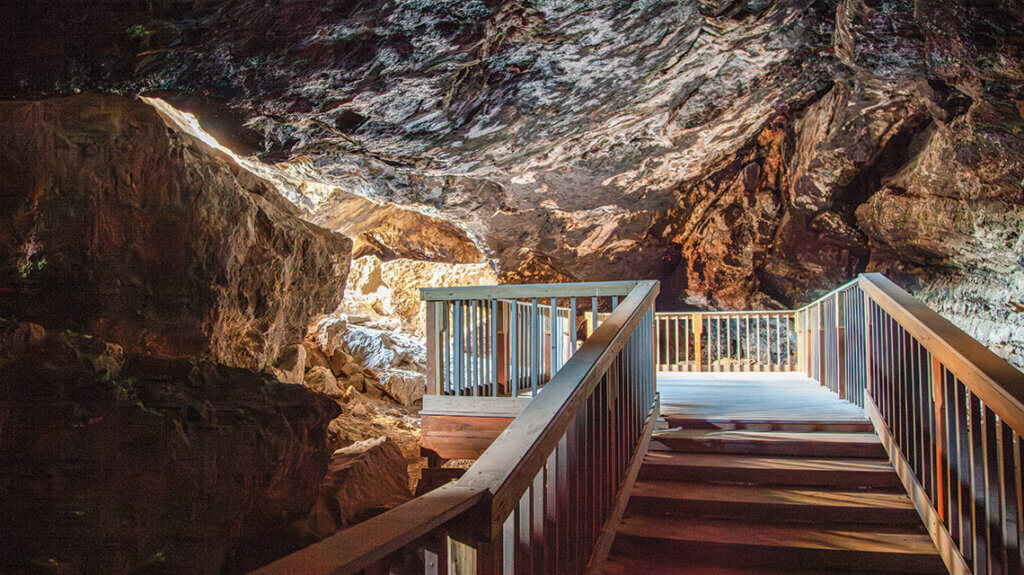
While Lehman Caves was certainly not discovered by Lehman—it was long used by the area’s first inhabitants—the cavern named for him is one of the state’s most impressive geological formations. At its home in Great Basin National Park, tens of thousands of visitors tour its spellbinding passages every year.
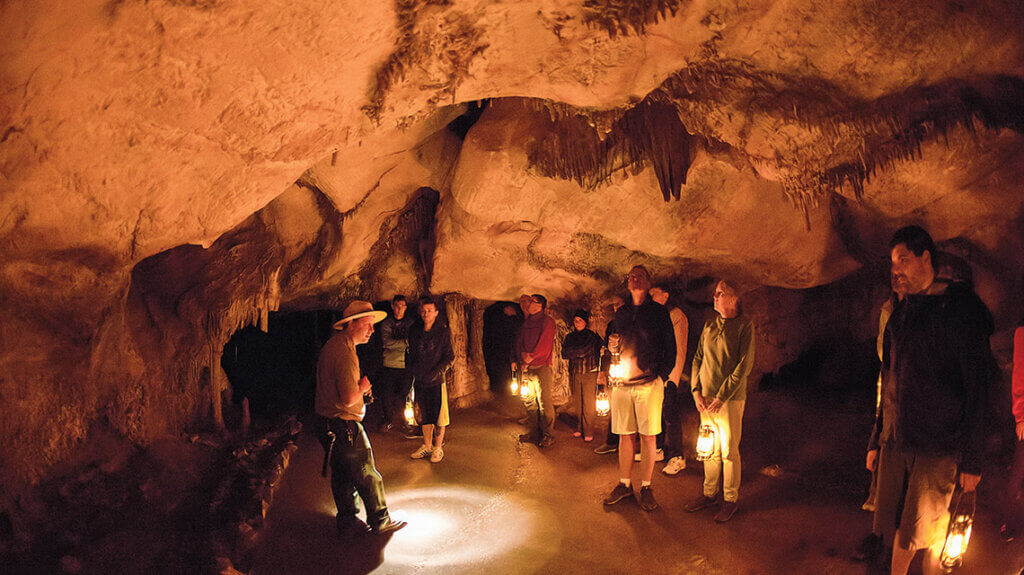
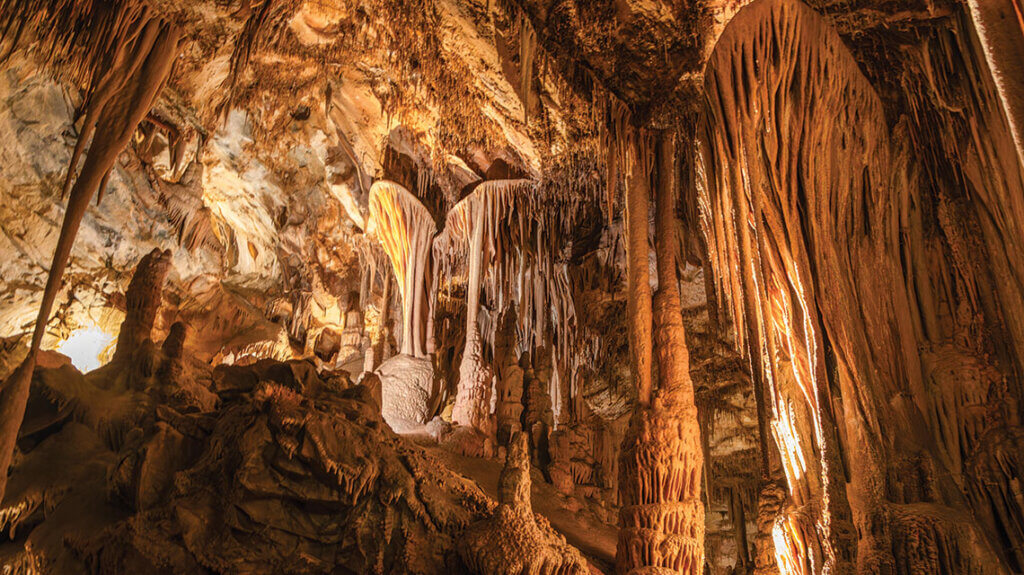
But the cave’s human history—including plenty of historic graffiti—is only part of the story. This unique ecosystem is home to lots of specialized flora and fauna. Some of which are found nowhere else, like a small arachnid named the Great Basin cave pseudoscorpion.
The site is so large and spectacular that the park offers a variety of tour experiences. As a note, tickets sell out quickly. Always check recreation.gov to verify tour availability and secure reservations before you go.
Lehman Cave Tours
- Gothic Palace Tour: A 30-minute experience, best for visitors with limited time or mobility. This includes an opportunity to see the cave’s first large chamber: the Gothic Palace.
- Lodge Room Tour: This 60-minute tour is bet for families and kids, and includes the Gothic Palace, Music Room, and Lodge Room.
- Parachute Shield Tour: Available November-May, this 60-minute tour includes a stop at the caves crown jewel: the Parachute Shield. While most caves have only a handful of shield formations, Lehman Caves has more than 300—and is the top one to see.
- Grand Palace Tour: In addition to the other rooms, this 90-minute experience alos includes the Inscription Room and the grand Palace. This is the full tour and definitely one we’d recommend for first timers.

Lovelock Cave
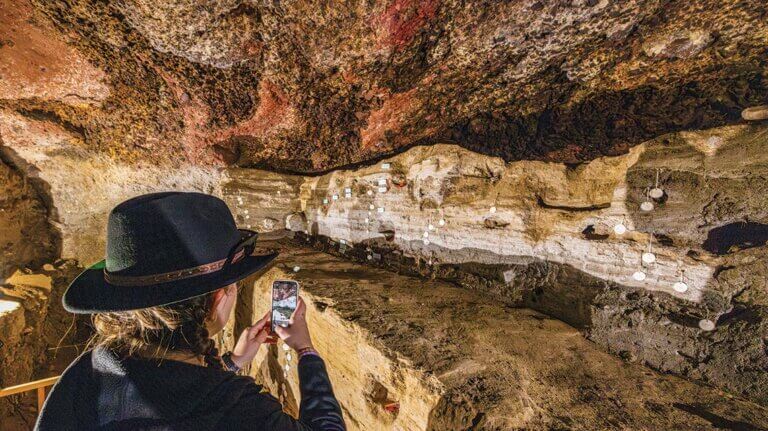
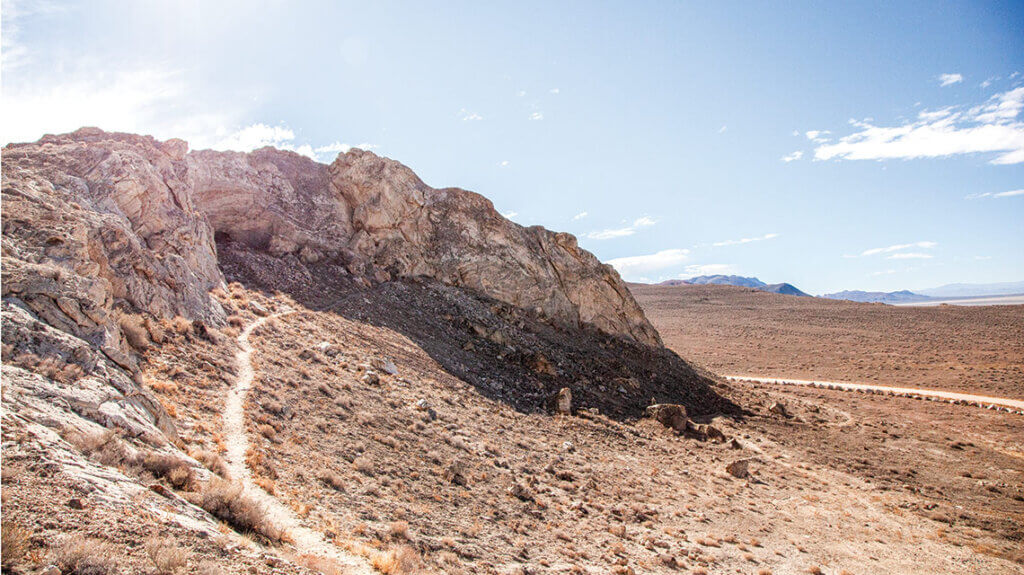
Set in the high-desert mountains about 20 minutes southwest of Lovelock, this cave was used thousands of years ago by the Northern Paiute. But while caves served as shelter and storage places for ancient peoples across North America, none have yielded as many artifacts as Nevada’s Lovelock Cave.
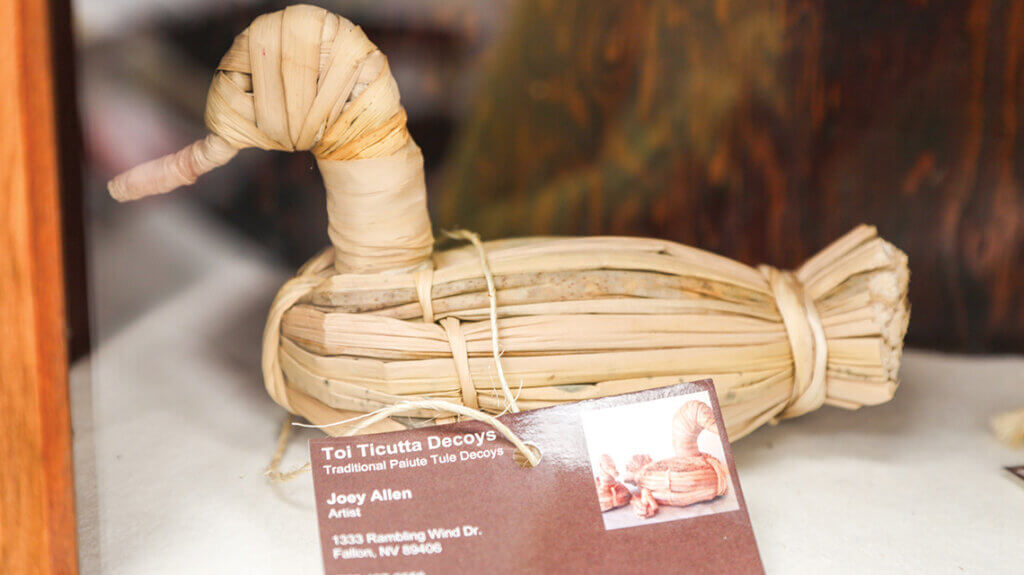
In 1911, guano miners rediscovered the cave and its cache of more than 10,000 artifacts. As with Hidden Cave, the miners destroyed multiple layers of artifacts. But despite the damage, thousands were preserved, including 11 tule duck decoys—a find so rare that the woven figures have become Nevada’s state artifact. Today, the Lovelock Cave ducks are housed at the Smithsonian.
To see this famous cave for yourself, head out on the Lovelock Cave Backcountry Byway—an official, congressionally designated back road—and take the 40-minute drive to the trailhead. While this drive starts paved, it becomes rougher as you approach. Upon arrival, take advantage of a few informational bulletins, well-marked trails, picnic tables, benches, and pit toilets. From there, it’s only a half-mile hike to the entrance.
Travel Nevada Pro Tip
Every year, more than 30,000 visitors visit Lehman Caves. And while the park is glad to have them, each tourist does leave a little something behind in the form of lint and hair. As this micro-matter accumulates, it has negative impacts on the ecosystem. That’s why, each winter, dozens of volunteers get on their hands and knees to carefully brush out the interior and keep the cave in pristine shape. Interested in joining Lint Camp? Check out nps.gov for more information.