Historic Fight Puts Goldfield in the Spotlight
By Ted Faye
Dust rose from the streets of Goldfield. Wagons rattled in. Trains unloaded passengers from across the country. Nearly 7,000 people gathered in a boomtown built on gold and ambition—drawn not just by the promise of a fight, but by the electricity of something larger.
They had come to witness history.
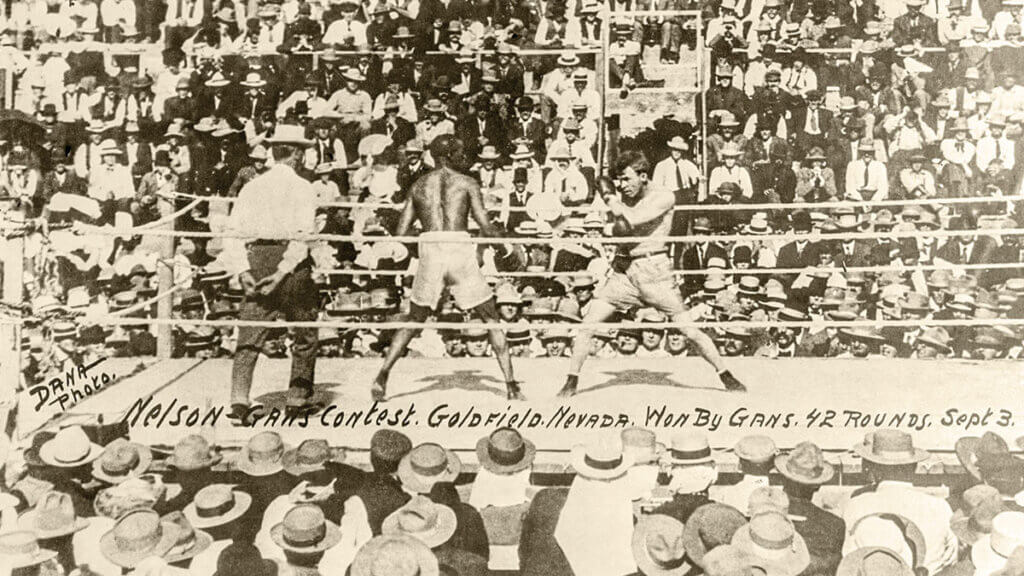
On Sept. 3, 1906, the lightweight championship bout between Joe Gans and Oscar “Battling” Nelson was more than a sporting event; it was a calculated gamble by local businessmen to put Goldfield on the national map—and keep it there.
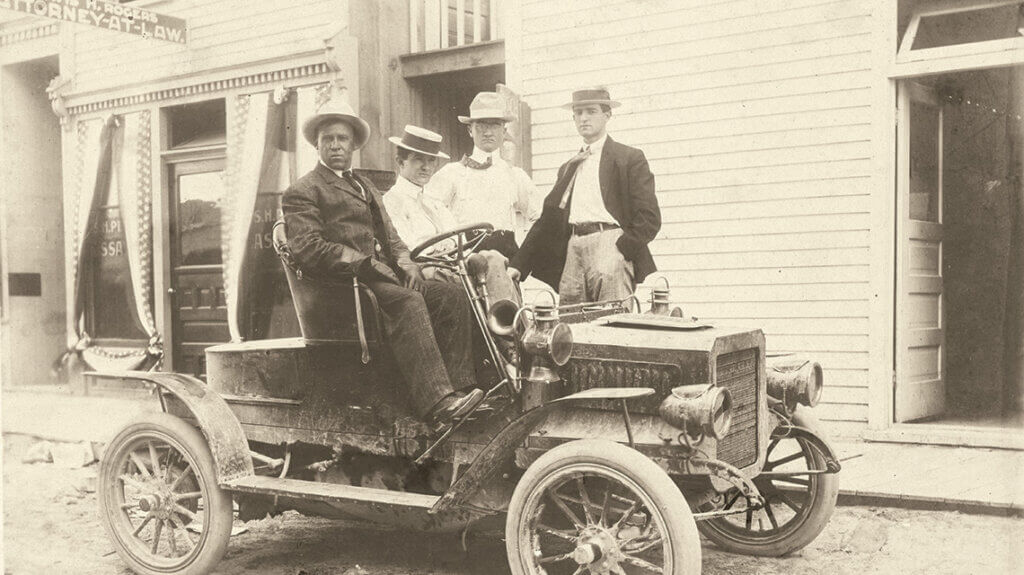
At the center of it all stood G. L. “Tex” Rickard, owner of the Northern Saloon and the fight’s chief promoter. Rickard understood something essential about Nevada: People would travel for excitement. And if they came for the fight, they might stay to invest in the mines that fueled the town’s explosive growth.
Setting the Stage
At the turn of the 20th century, Goldfield was the largest and richest town in Nevada. With nearly 20,000 residents, it pulsed with energy and money.
At a time when prizefighting was illegal in much of the country, Nevada recognized an opportunity. By allowing boxing contests, the state drew crowds, headlines, and money. Goldfield, at its peak, became the perfect stage.
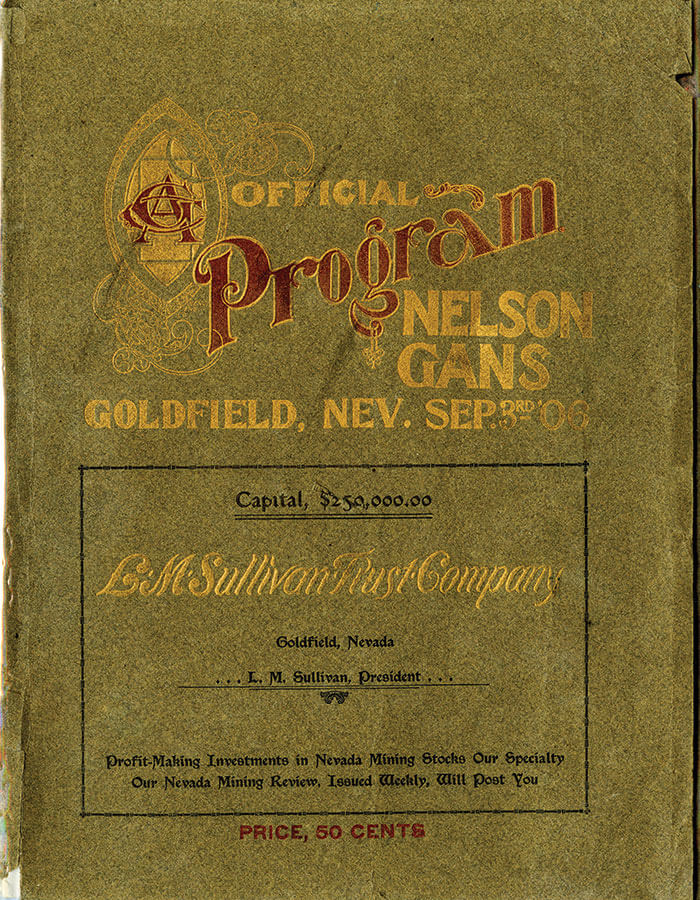
The 1906 match was promoted nationwide as the Battle of the Races and the Fight of the Century. The language reflected the tensions of an era when opportunities for African American athletes were limited and often defined by the color of their skin. Yet within that framework, the fight also created a rare national stage where skill and endurance could not be ignored.
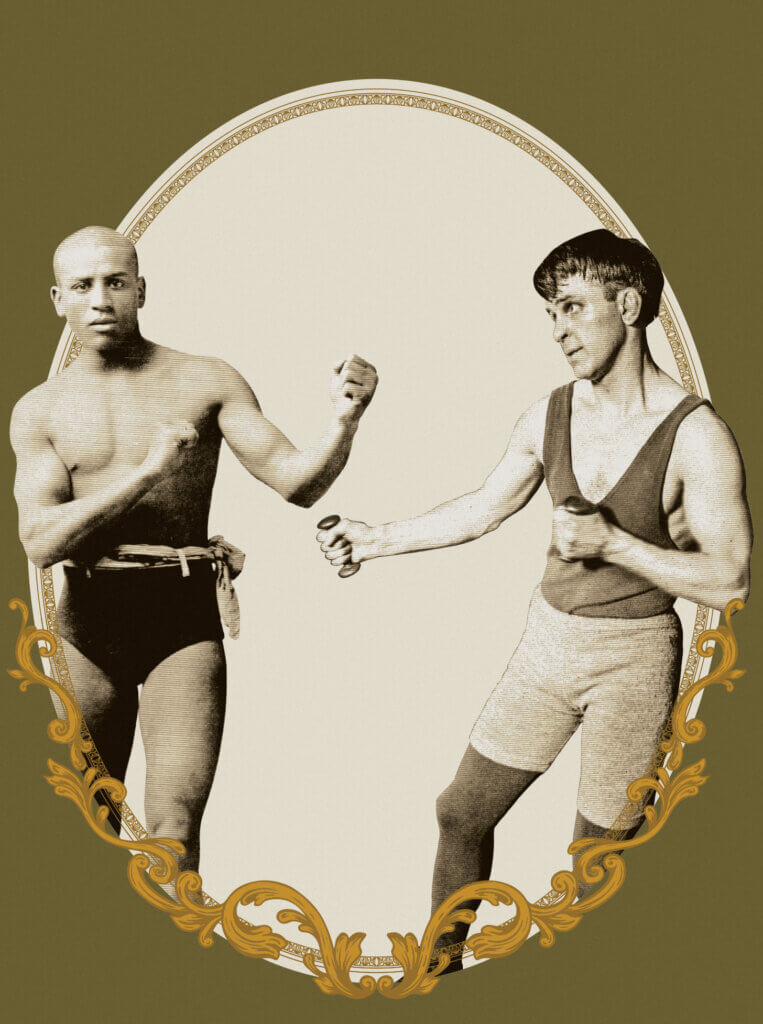
Joe Gans—the reigning world lightweight champion known as The Old Master—was celebrated for his intelligence, precision, and composure. For many, he represented more than a champion. He stood as a figure of discipline and dignity at a time when African American achievement was too often minimized or misunderstood.
Across from him stood Oscar “Battling” Nelson, relentless, experienced, and determined—a formidable opponent whose toughness was matched by his reputation.
Promoters assembled a remarkable purse of $33,500 in $20 gold coins. Nelson was to receive $22,500, while Gans would take $11,000. George Siler, sports editor of the “Chicago Tribune,” served as referee, earning $500 plus expenses. Motion picture rights were awarded to the Miles Brothers Exchange of San Francisco—an early sign that this event would live beyond the moment.
To host the bout, contractor Walter C. Clark constructed a large arena and grandstands. On fight day, 6,972 spectators filled the venue, paying between $1.50 and $25 per ticket. Receipts reached $72,000—$9,000 more than any previous fight.
Then the bell rang, and what followed was grueling.

A Site to See
More than a century later, the legacy of that fight is being brought back into focus.
Several groups have joined together to commemorate the historic Gans-Nelson contest and ensure its story is not lost to time. The vision is to create a heritage park at the site of the 1906 fight—the intersection of Fourth Street and Miners Avenue.
The project is sponsored by various groups, including Our Story, Inc., the Nevada Land Trust; Gold Creek Films, and the community of Goldfield itself. Together, these partners aim to shine a light on what has long been one of Nevada’s best-kept historical stories.
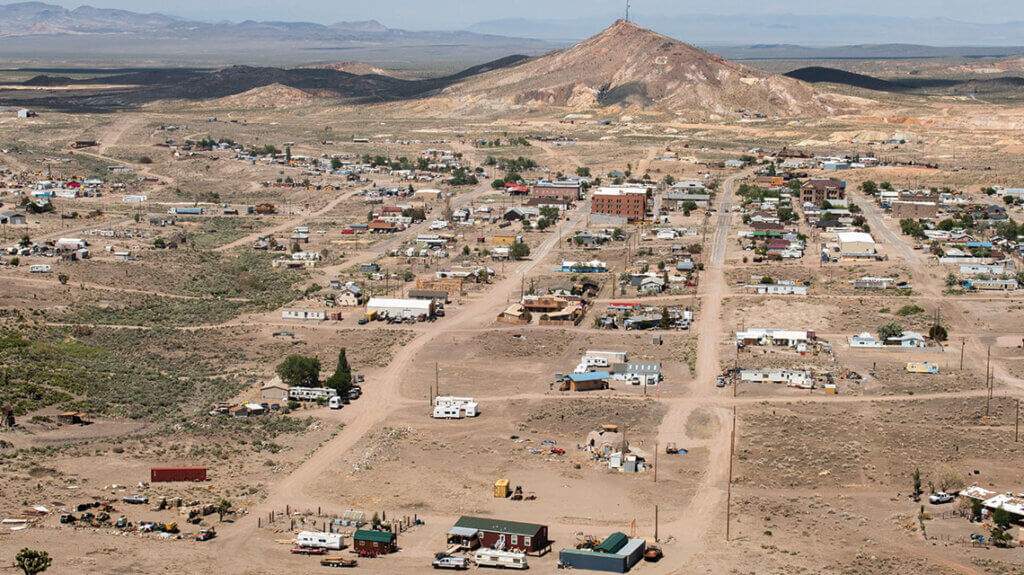
The potential site includes the remains of the Las Vegas and Tonopah Railroad Depot, nearby warehouses, and the footprint of a once-thriving African American community that existed in Goldfield at the time of the fight.
Plans call for a permanent cultural and heritage destination that honors the Gans-Nelson legacy while inviting visitors to experience the history firsthand. A companion documentary film is also in development, bringing the dramatic story of the Gans–Nelson fight to life for modern audiences.
To complete the project, organizers are working to raise an additional $1.5 million to make the site a destination for visitors.
Today, only about 225 residents remain in the small town, but there are still plenty of reasons to visit. Events like Goldfield Days, held annually on the first weekend of August are the perfect way to experience the town that once hosted the longest, fiercest championship fight of its time and to remember a moment when Nevada wasn’t just hosting history—it was making it.