Death Valley National Park
Brimming with otherworldly landscapes, incredible geologic and human history, and animals found nowhere else on Earth, Death Valley National Park—the lowest, hottest, and driest place in North America—promises a lifetime of discovery.
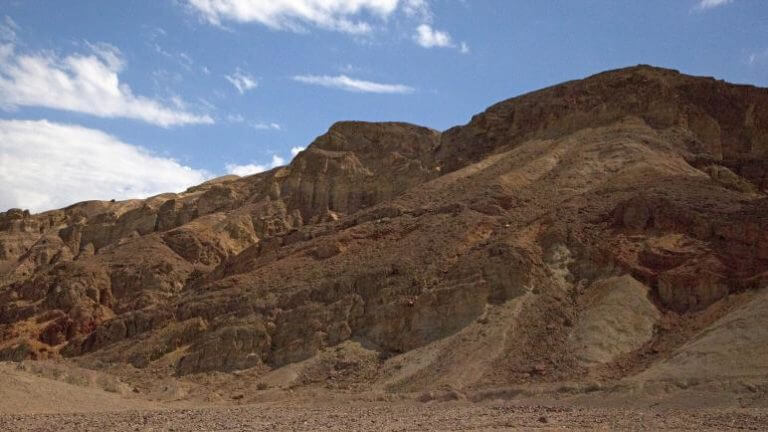
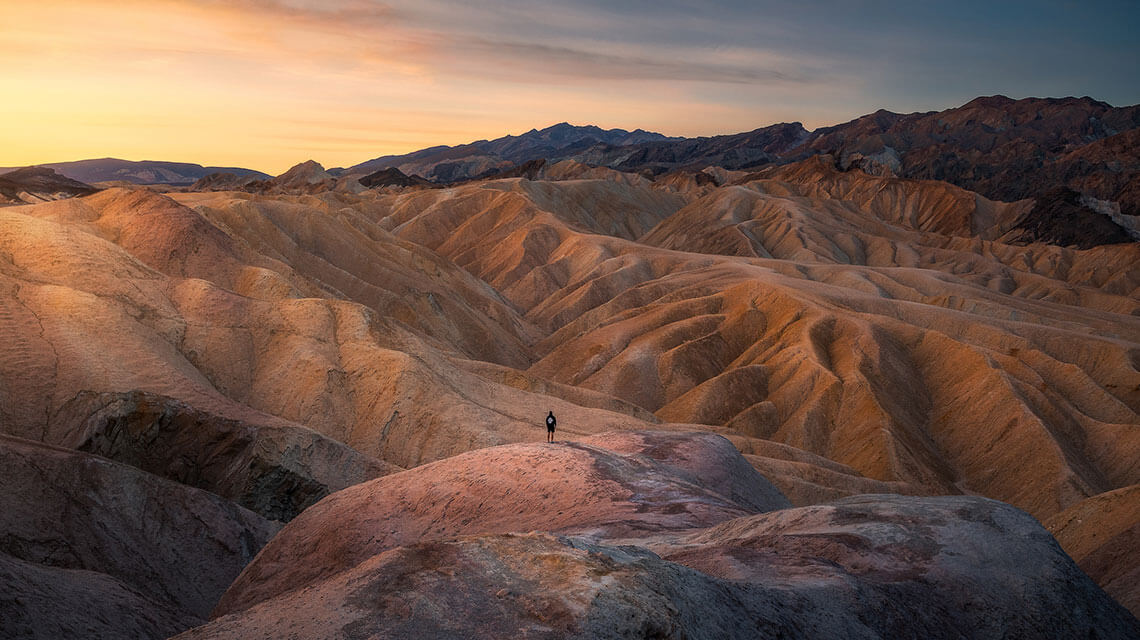
This legendary national park is alive with unmatched beauty characterized by expansive sand dunes, technicolor canyons, rare and endemic wildlife, and jaw-dropping peaks rising 11,000 feet above the valley below.
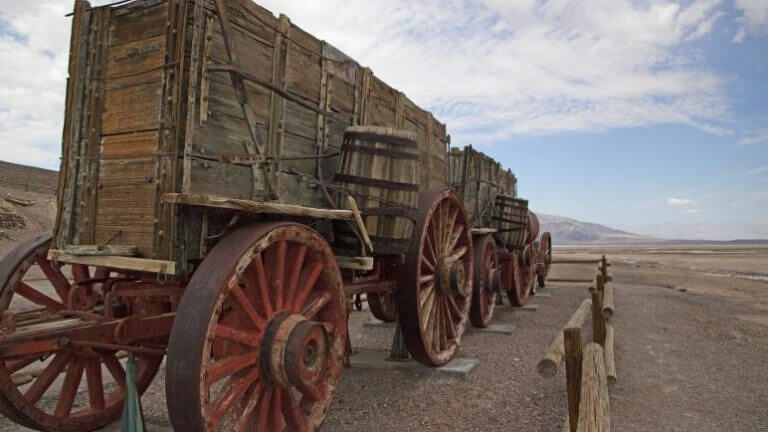
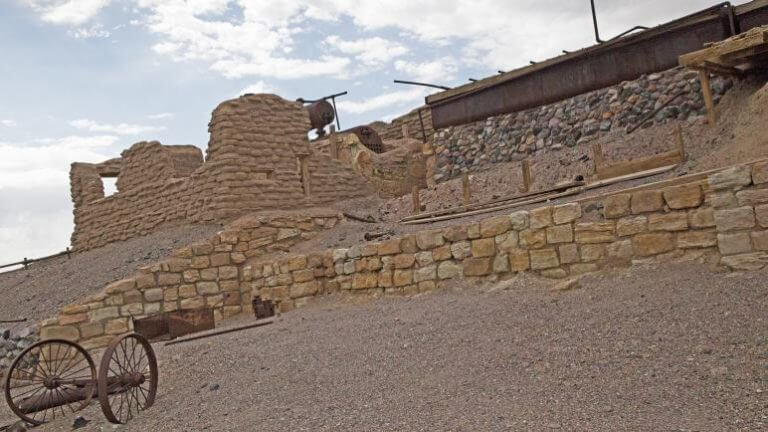
Visitors will also find a wealth of relics from this region’s long history, including Wild West mines, charcoal kilns, ghost towns, petroglyphs, and ancient Shoshone foot trails. Whether you’re venturing out to Death Valley for historical journeys, unparalleled views, or challenging hikes, you’ll find endless adventures.
Things to Do in Death Valley
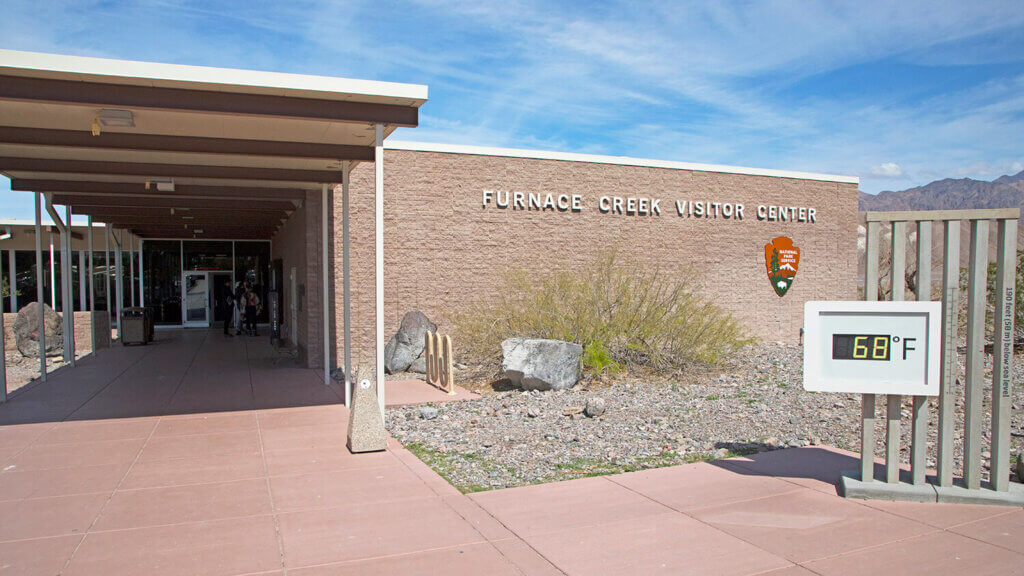
From leisurely walks to desert campouts, there are countless ways to enjoy one of the hottest places on Earth. The best way to explore Death Valley is by getting your hands on a map—available at the Furnace Creek Visitor Center—and charting a course to visit the park’s most famous features.
Even if you’re short on time, must-stops include:
- The colors of Artists Palette
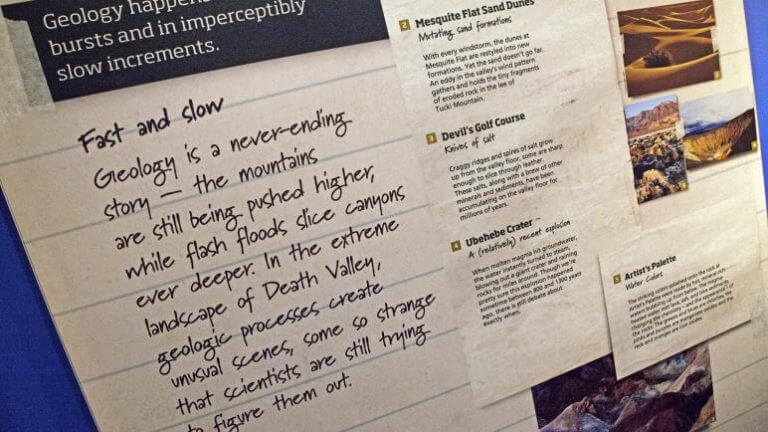
- Striking dune fields at Mesquite Flat Sand Dunes
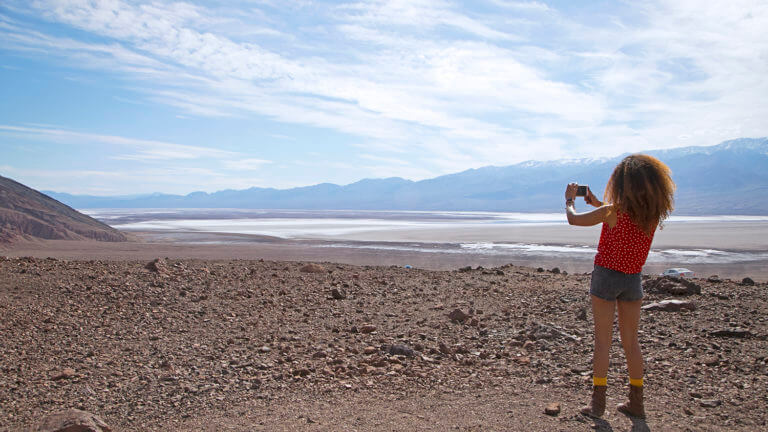
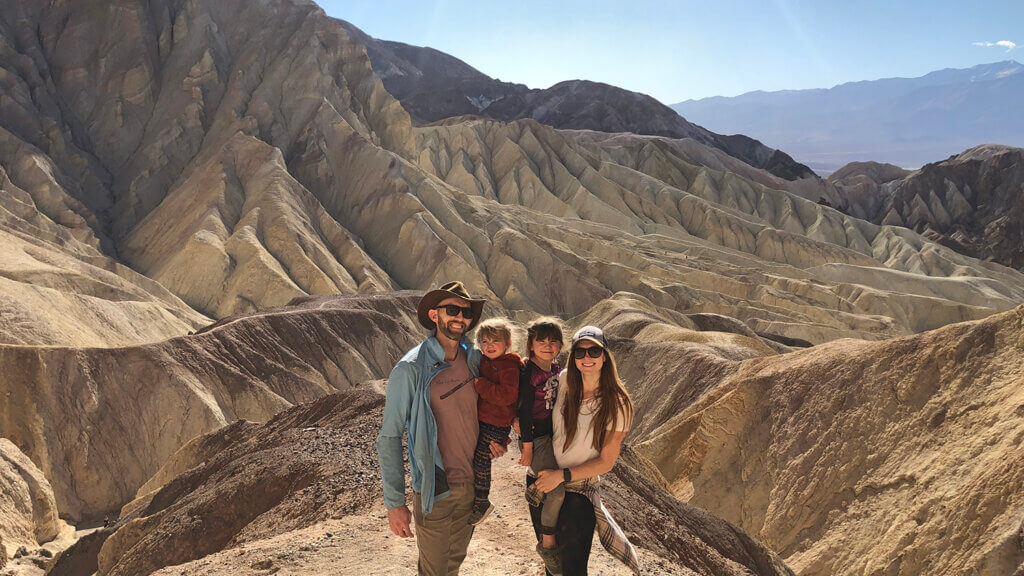
- Vistas from Zabriskie Point
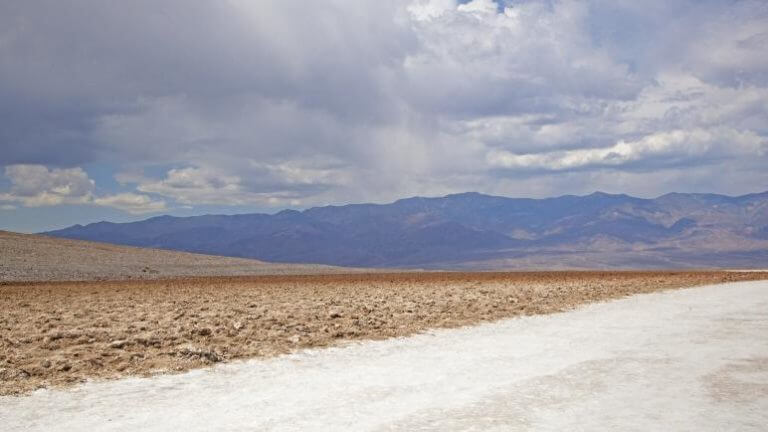
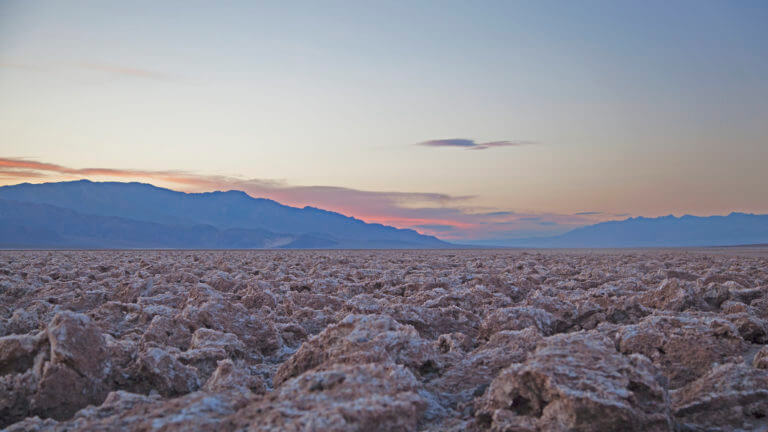
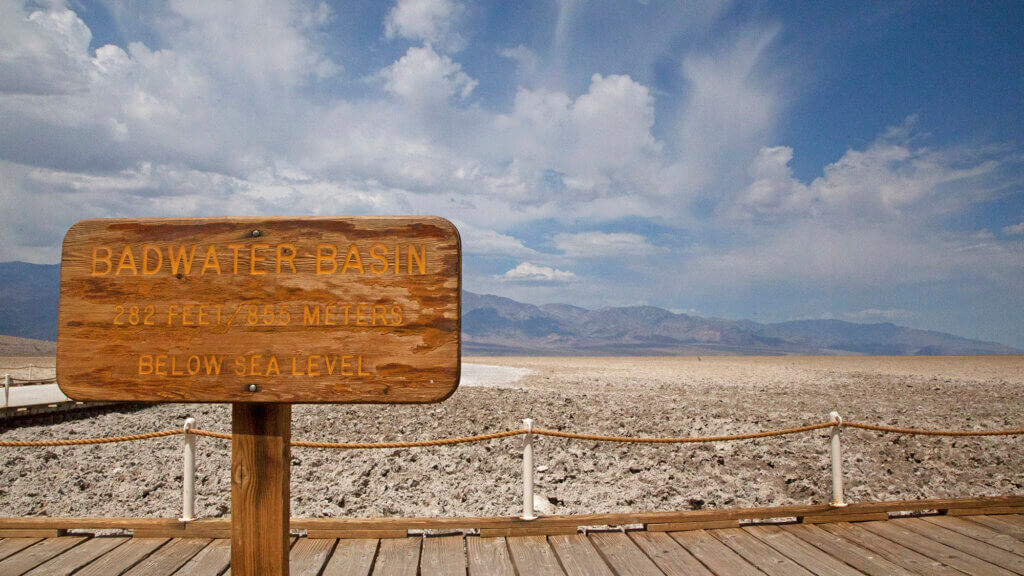
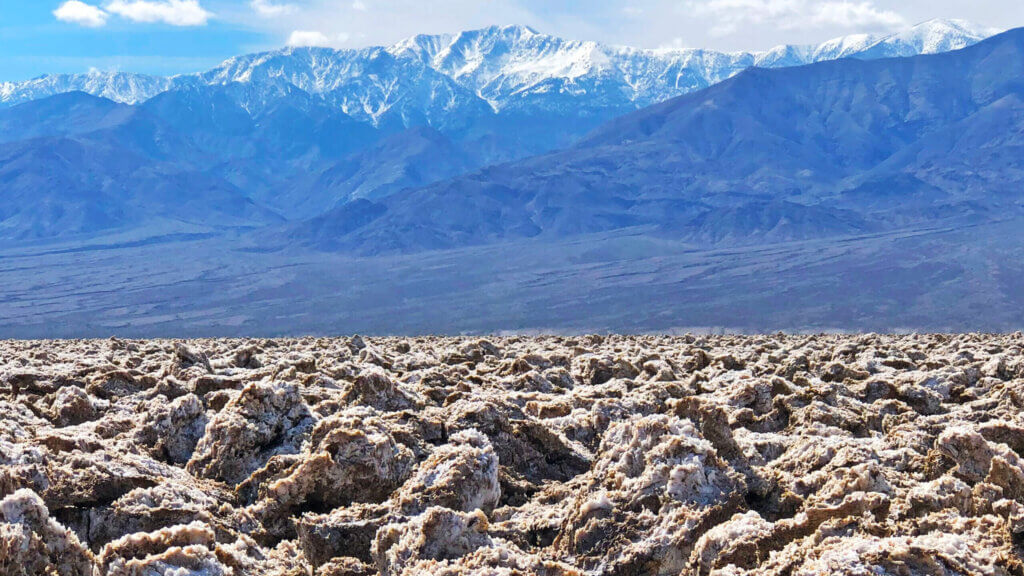
- Salt flats at Badwater Basin, the lowest point in North America
Other favorites include Harmony Borax Works, Wildrose Charcoal Kilns, and the breathtaking Ubehebe Crater.
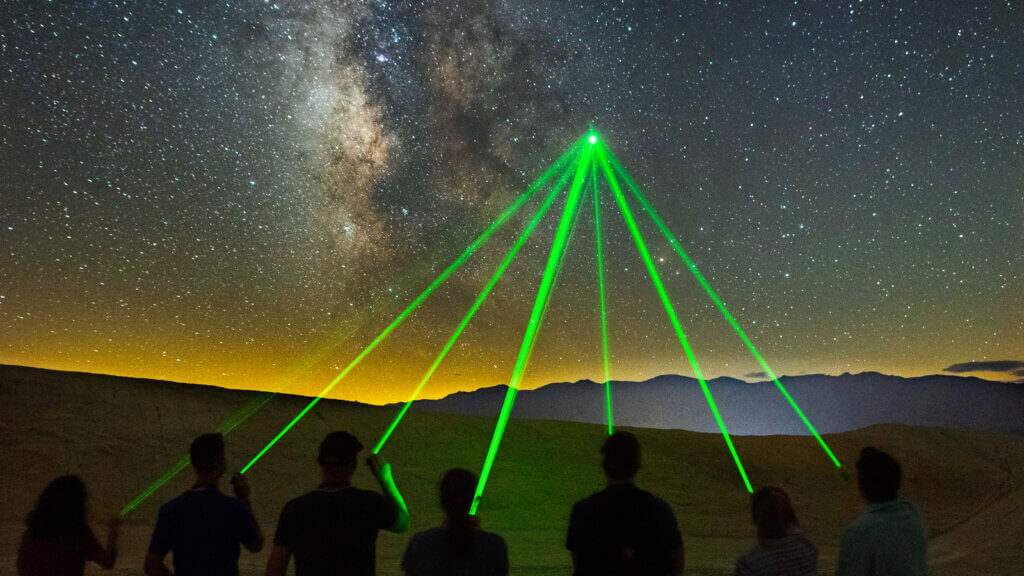
If you’re looking for world-renowned stargazing, Death Valley is an International Dark Sky Park, meaning it’s recognized as one of the best spots in the world for taking in starry sights. Plan your trip around a new moon, and be sure to get the Death Valley Dark Sky Festival on the calendar, which typically happens each February.
Death Valley’s Unique Terrain
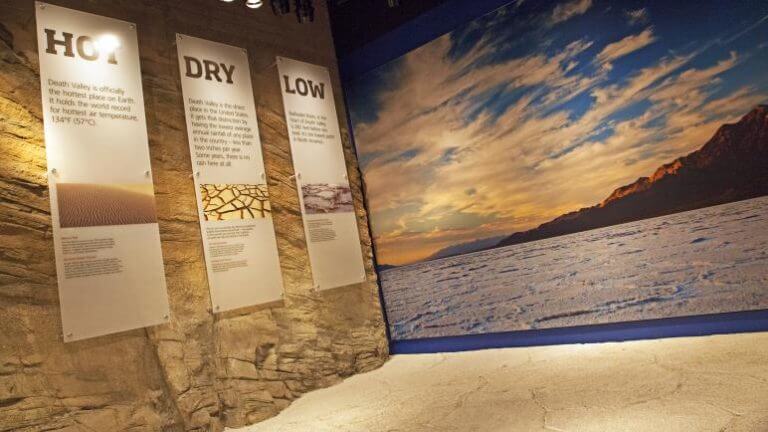
Death Valley’s fascinating features cover a staggering 3.4 million acres of rugged, mostly unpopulated terrain. In the north, the elevation sits at about 3,000 feet and slopes steadily downward, putting the valley floor below sea level for 70 miles. Here, the terrain bottoms out at a whopping 282 feet below sea level at Badwater Basin. This stark depression contributes to the equally extreme temperatures, which—depending on the season—can climb to a scorching 130 degrees Fahrenheit or dip to below 0 degrees Fahrenheit. We’re not kidding when we call Death Valley a hotspot: It holds the record for the hottest air temperature ever recorded in the world, hitting a high of 134 degrees Fahrenheit way back in the summer of 1913.
Of course, it’s not a desert without some sand dunes. In fact, some of the most famous dunes in the country are found within Death Valley’s borders: Mesquite Flat Sand Dunes, a 200 square-mile expanse. While you can hike or walk on Death Valley’s sand dunes and salt flats, off-road vehicles, sledding, and sand skiing are not allowed.
Flora & Fauna of Death Valley
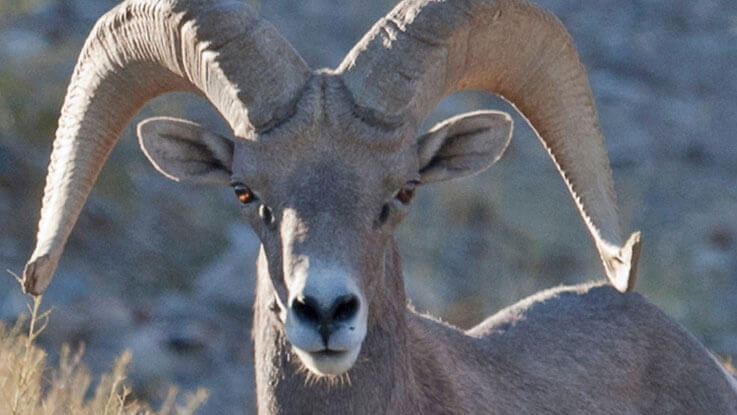
Death Valley is a refuge to thousands of species of birds, plants, and animals—all of which have learned to adapt to the park’s harsh climate. The largest of these is the desert bighorn sheep, which frequent the freshwater spring in Titus Canyon (which is also the best place to find them).
Many species of birds that live in and migrate through the desert include roadrunners, hummingbirds, and shrikes. Birdwatchers should head for the platform near Furnace Creek Ranch to spot the region’s diverse offerings. Be sure to bring binoculars!
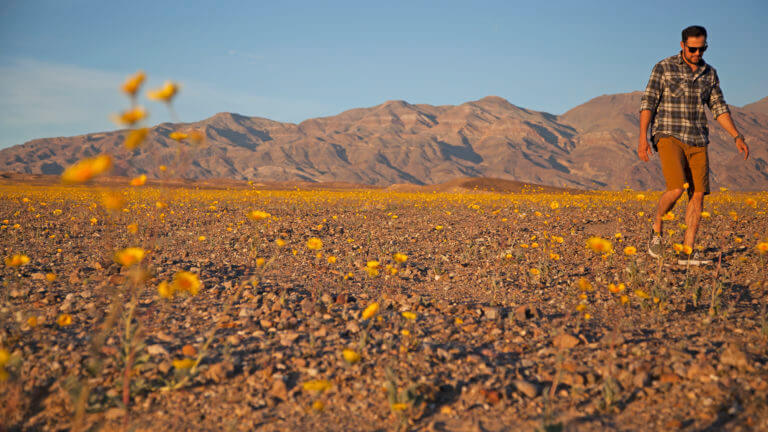
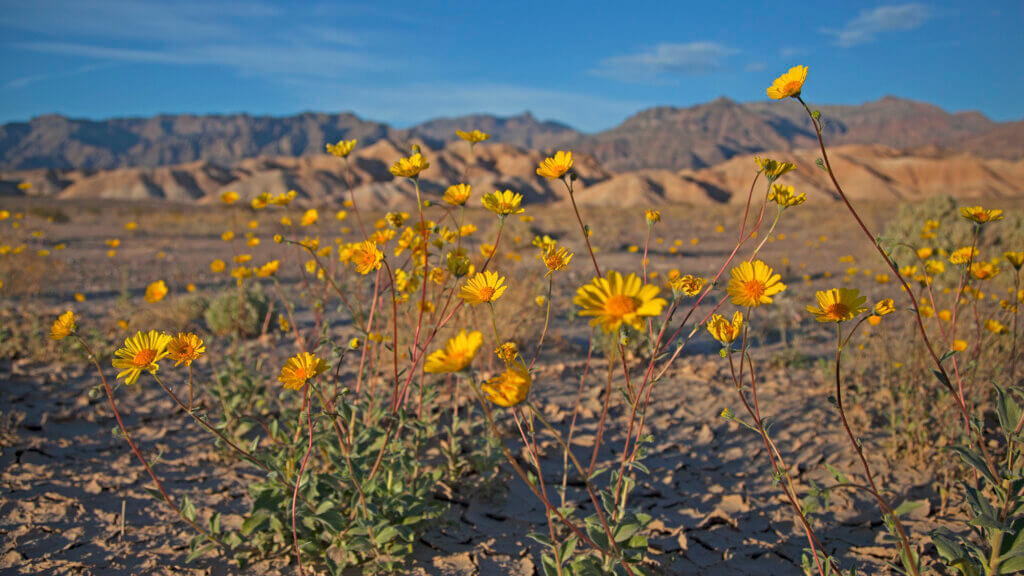
Death Valley is also renowned for stunning (and rare) spring wildflower super blooms. A good wildflower year depends on at least three things: consistent winter and spring rain, suitable sunlight, and low winds. Super bloom or not, you can typically plan for there to be seasonal flowering from February to April in lower elevations, early April and May from 3,000 to 5,000 feet of elevation, and May to July for elevations above 5,000 feet.
Beyond the blooms, Death Valley is home to more than 1,000 species of plants—11 of which are found nowhere else on Earth, like the Eureka Dunes Evening Primrose and the Panamint Monkeyflower.
Travel Nevada Pro Tip
Take photos, not blooms: Picking wildflowers is strictly prohibited anywhere within (and often beyond) the borders of Death Valley National Park.
Know Before You Go: Navigating Death Valley Safely
Death Valley is a land of extremes, so before visiting, take time to prepare accordingly and do your research on how to safely enjoy this harsh landscape.
Essential Desert Safety
- Stay Hydrated: Pack more water than you think you’ll need, as heat-related injury and illness is a real possibility. Drink at least one gallon of water per day, even if you don’t feel thirsty.
- Vehicle Prep: Ensure your car is in good working condition and has a full tank of gas before entering the park. Stations are few and far between, and prices are significantly higher inside the park.
- Heat Avoidance: During summer months, stay on paved roads. If your car breaks down, stay with your vehicle—it is your only shade and makes you easier for rescuers to find. It will also get too hot to hike after 10 a.m. during the summer.
- Cell Service: Coverage within the park is minimal to non-existent, so be sure you plan ahead and stock up on supplies in nearby Beatty, Amargosa Valley, and Pahrump.
- Outside Contact: Let someone know where you’re headed and when you plan to return.
The only places within park boundaries that offer amenities like water and fuel are found at Furnace Creek, Stovepipe Wells, and Panamint Springs Resort.
Travel Nevada Pro Tip
Click here to get closure alerts, road conditions, and safety tips directly from Death Valley National Park.
Death Valley National Park FAQs
Why do they call it Death Valley?
The name of the national park is often attributed to a pioneer who died there during the winter of 1849-1850. Legend says that his last words were, “Goodbye, Death Valley.”
Can you drive a car through Death Valley?
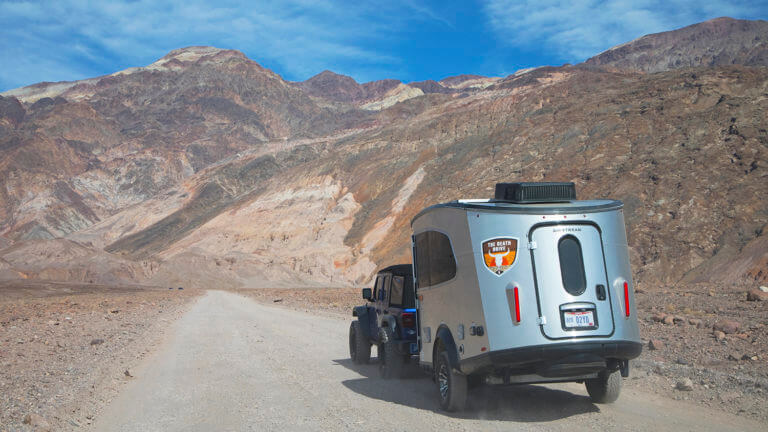
Yes! Cars are allowed to drive inside Death Valley National Park. There are multiple paved highways that pass through the park, but many side attractions require travel on dirt roads.
What is Death Valley famous for?
Death Valley National Park is famous for its high temperatures, low elevation, and unpopulated landscapes. It covers 5,270 square miles and is the largest national park in the Lower 48. Death Valley also appears in pop culture: Scenes from two “Star Wars” movies were filmed here.
Where is Death Valley?
Death Valley is located in eastern California, with a small portion of the park situated in Nevada near Beatty.
Hours:
Death Valley National Park is open 24 hours a day, but it’s best to visit attractions between sunrise and sunset. The Furnace Creek Visitor Center is open daily from 8 a.m. to 5 p.m. For more information on accessing Furnace Creek and planning your visit, visit Death Valley National Park’s website.
Admission:
Admission to Death Valley National Park costs $15 per person, $25 per motorcycle, or $30 per vehicle.