Wildlife thrives across the Silver State, from the Great Basin’s lush wetlands and piney ranges to the state’s southern Mojave Desert, which boasts some of the hottest and driest conditions in North America. These distinct regions are home for countless wildlife species. They also serve as resting grounds for major annual migrations. No matter where you go, you’re likely to have a wild sighting—we are home to some of the largest wildlife refuges in the nation, after all. So bring your camera and expect the unexpected.
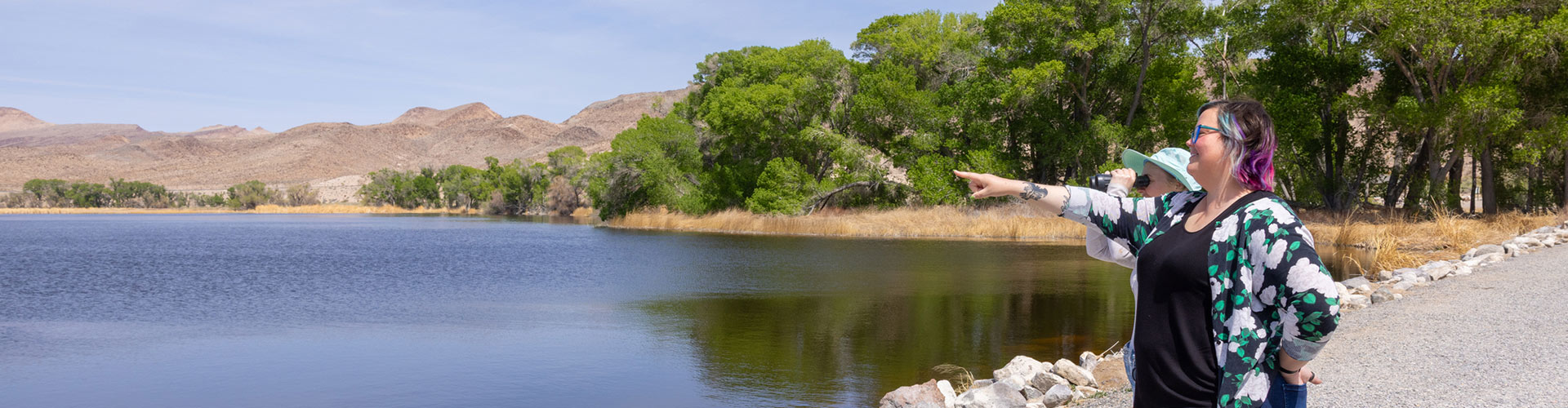
Viewing Wildlife in Nevada
Where to Watch

Welcome to Nevada’s wild side. The Silver State is where uncommonly beautiful (and just plain uncommon) animals roam, nest, and pass through on epic journeys of their own. Each spot on this list brings you closer to the action—binoculars not required (but highly recommended).

There are no items matching your search.
From desert bighorns hoofing it along cliff sides to the rarest fish on Earth, uncommon and unexpected wildlife runs free in the heart of Nevada.
Meet the Locals: Animals Native to Nevada
Nevada’s landscapes are wild—but the creatures that call them home are wilder. These native species have adapted to thrive in some of the most rugged and remote environments in the West. Get to know a few of the characters you might cross paths with when you get a little out there.
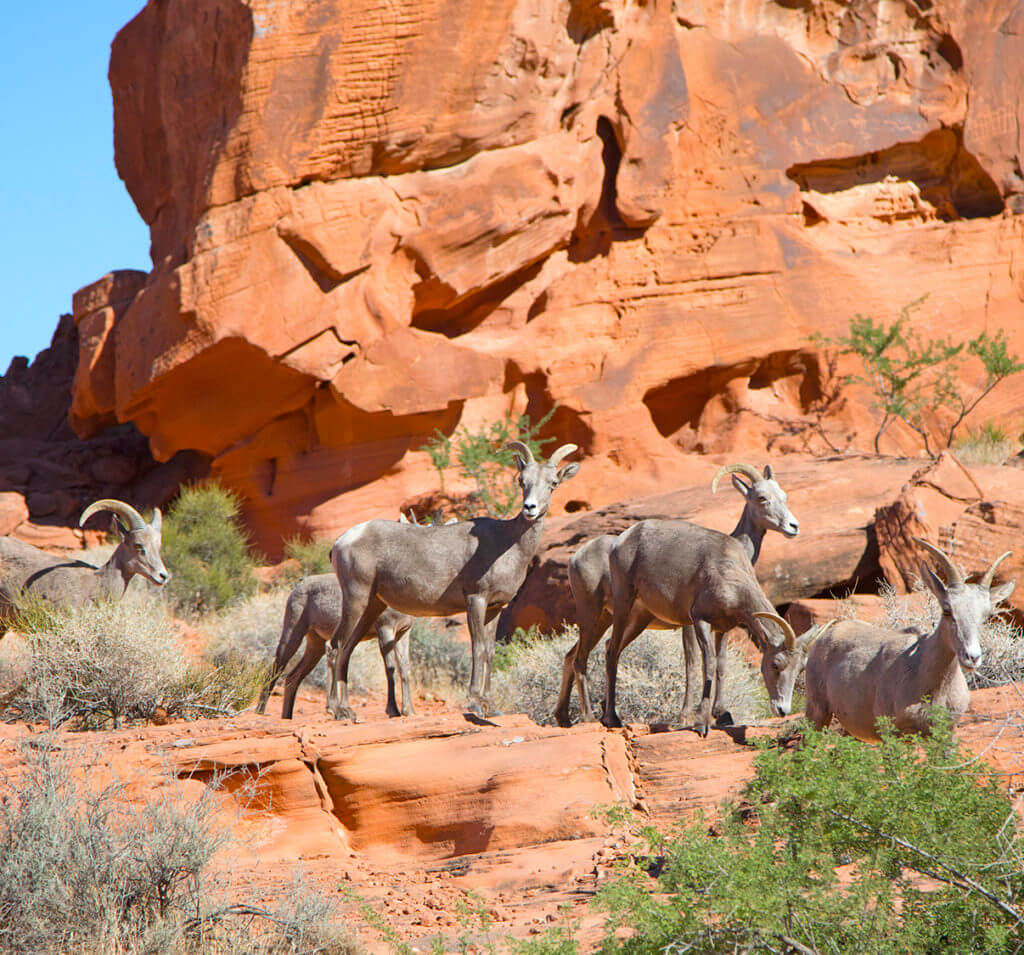
Desert Bighorn Sheep
Types of Wild Animals in Nevada
Nevada’s wild side isn’t just about vast landscapes—it’s alive with creatures that thrive in its deserts, mountains, and sagebrush plains. From herds of wild horses and burros to elusive mountain lions and high-climbing bighorn sheep, the Silver State is home to an incredible variety of wildlife.
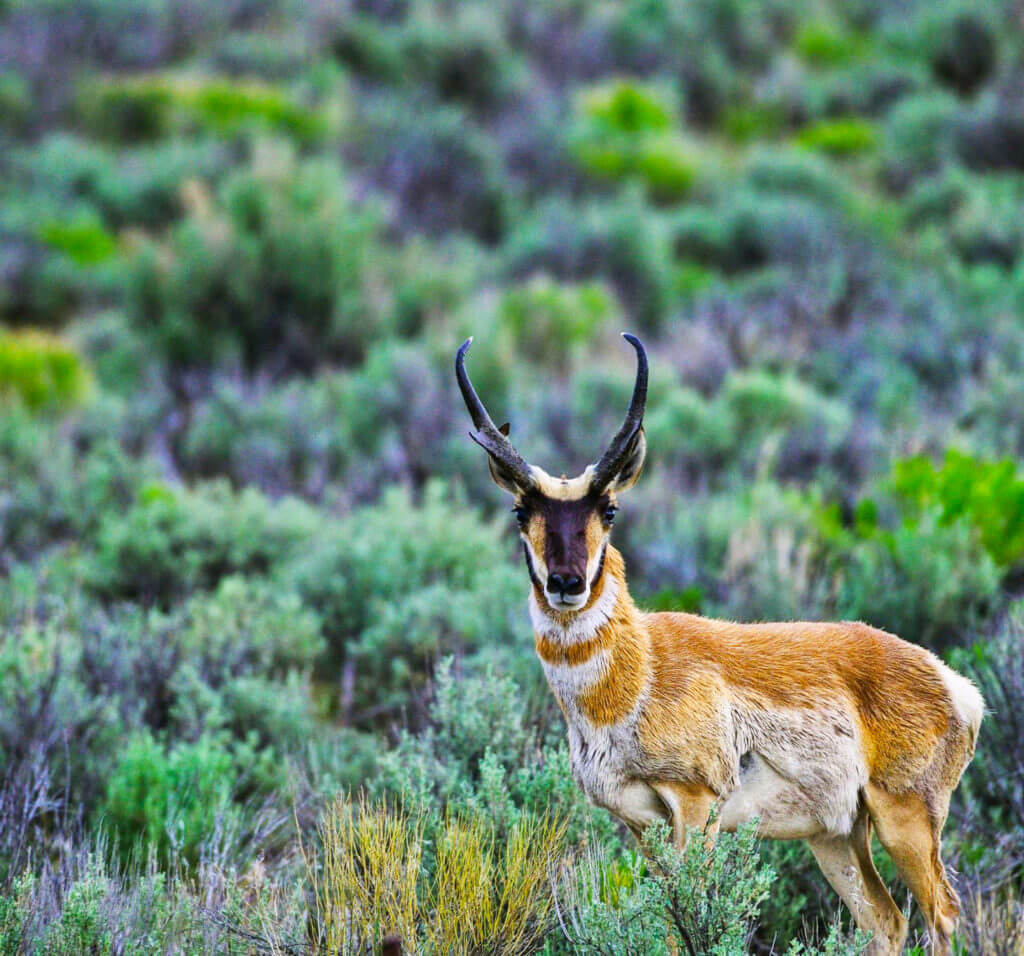
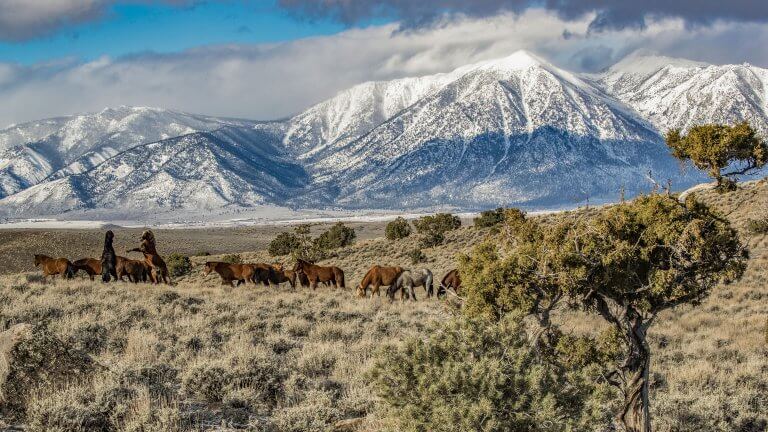
In northern Nevada, look out for herds of pronghorn antelope and wild horses—descendents of Spanish mustangs—that roam the sagebrush plains.
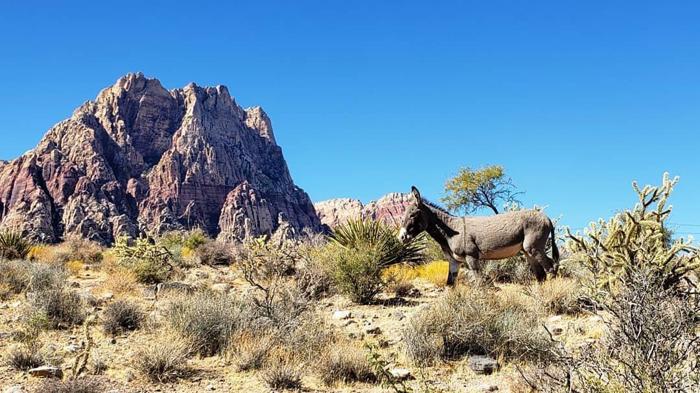
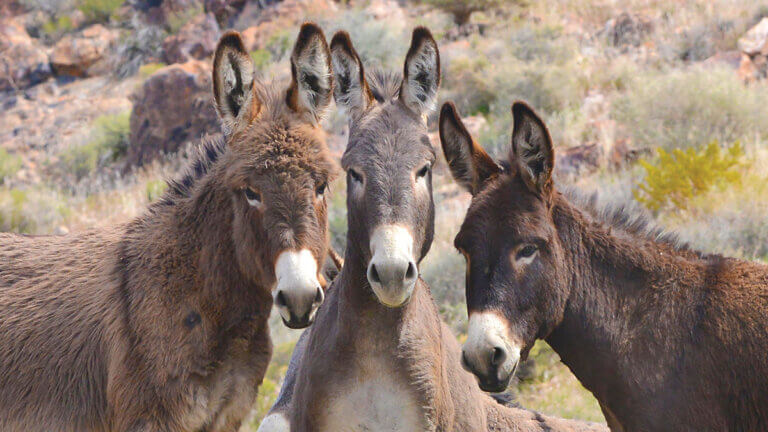
Keep an eye out for wild donkeys—also known as burros—roaming southern Nevada. These adorable desert wanderers are so comfortable with people that some herds are prone to wander into towns like Beatty.
Nevada’s mountain ranges see quite a bit of precipitation, transforming them into isolated island forests filled with wildlife. These alpine areas—like the Jarbidge Wilderness Area or Great Basin National Park—boast locals like Rocky Mountain elk, mule deer, minks, foxes, mountain lions, and even moose.
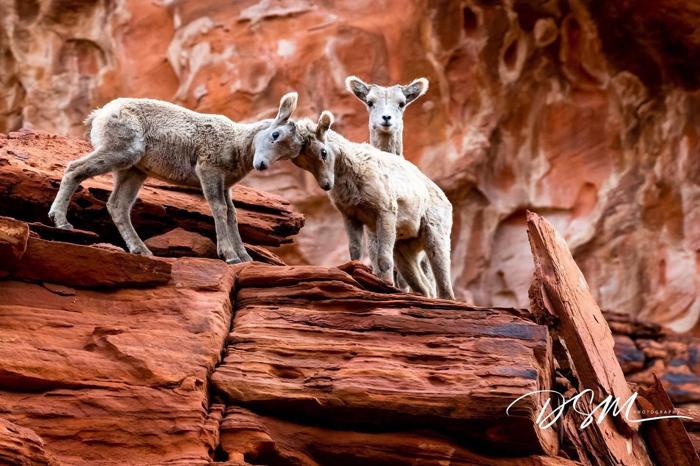
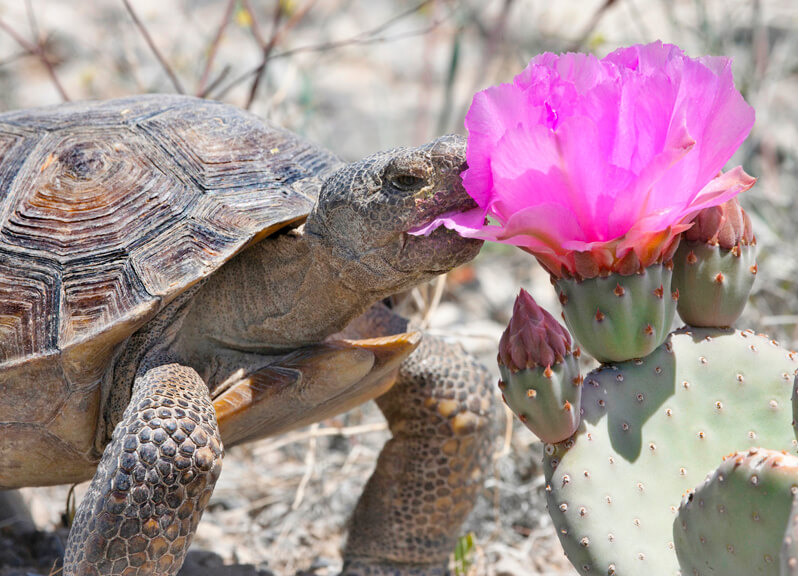
In remote deserts, you might encounter some of the state’s hardiest survivors like the gila monster—a giant venomous lizard—or the desert tortoise, which can live up to 70 years in the wild.The magnificent desert bighorn sheep, who showcase impressive climbing and navigation skills, are an enduring symbol of resilience and survival in harsh environments—one excellent reason they’re the official state mammal.
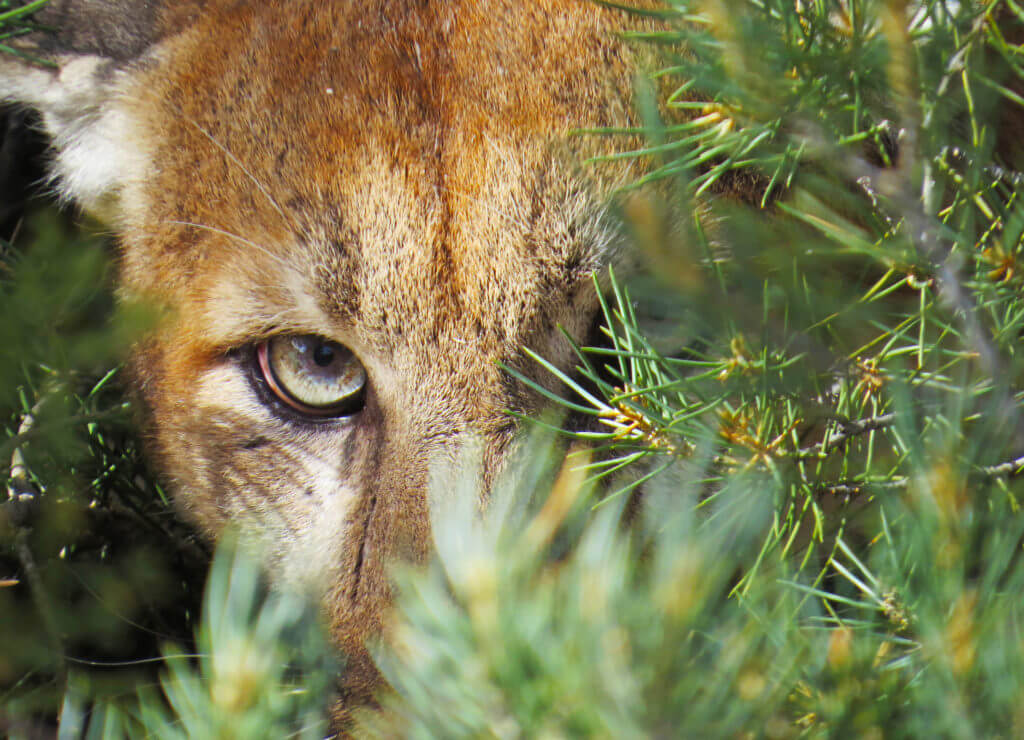
Mountain Lion
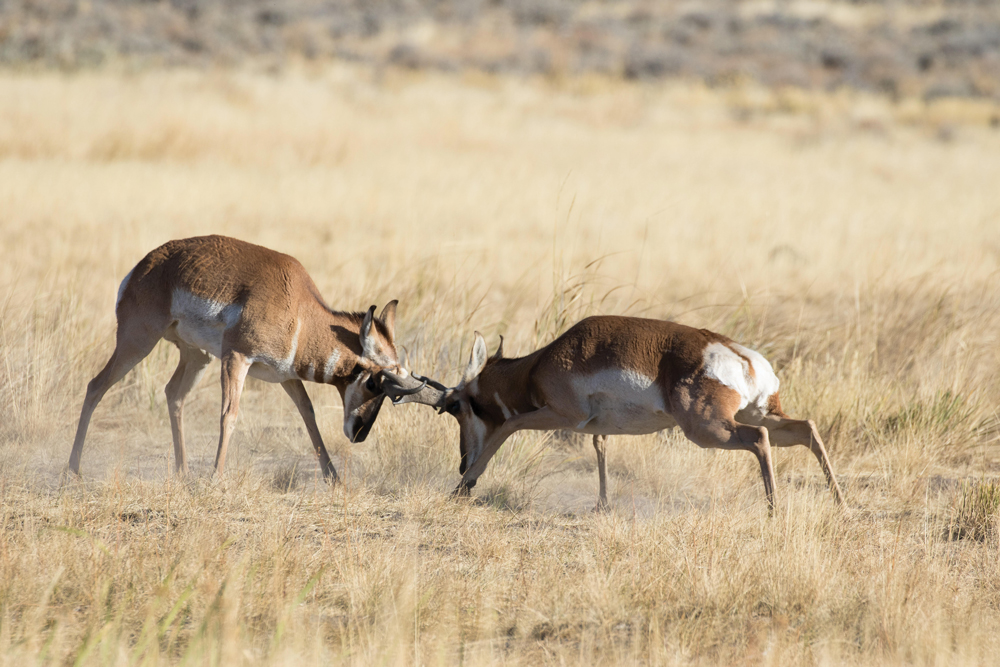
Pronghorn Antelope
Where to View Nevada Animals
The Silver State is home to some of the largest national wildlife refuges in America, which provide dozens of specialized habitats to a collection of animals, birds, and reptiles.
Nevada’s diverse refuges include oasis stopovers for massive bird migrations, wildly lush wetlands, and historic sanctuaries that saved the pronghorn antelope from extinction. Best of all, these preserves are located across the state, and most are open to the public. That means you can stay wild at heart wherever your adventures take you.
Desert National Wildlife Refuge
At 1.6 million acres, Desert National Wildlife Refuge is the largest wildlife refuge outside Alaska. Just north of Las Vegas, Desert NWR contains six major mountain ranges and is home to hundreds of fragile species. This enormous zone was specifically established to protect the desert bighorn sheep, and it remains their largest habitat anywhere on Earth.
The massive Desert NWR complex comprises several smaller refuges in the southern Nevada region: Ash Meadows, Moapa Valley, and Pahranagat National Wildlife Refuges. While you’re exploring Desert NWR, keep an eye out for the Mojave desert tortoise. If you happen to see some super small fences off the highway, those are for them. Don’t miss other reptiles, like side-blotched, collared, and long-nosed leopard lizards.
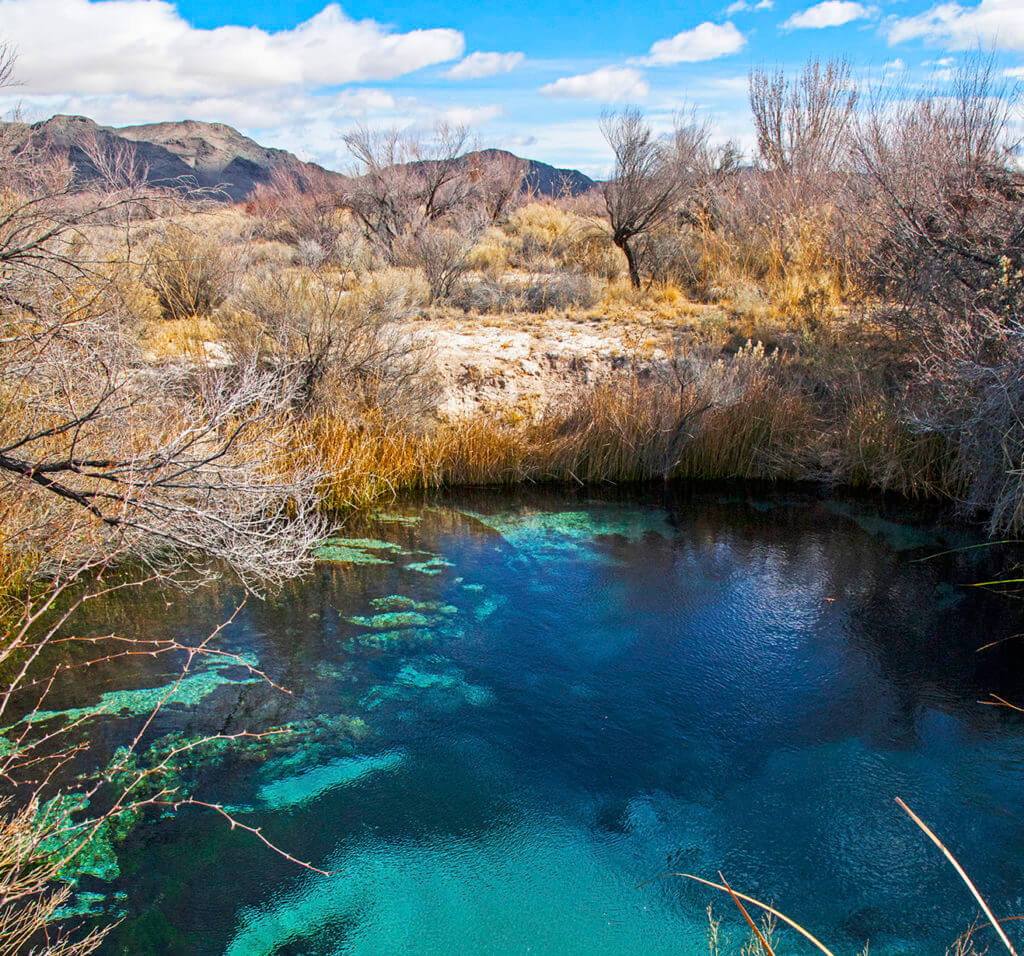
At the Moapa Valley and Ash Meadows National Wildlife Refuges, remnants of the last Ice Age created ecosystems that were entirely unique. Tens of thousands of years ago, the climate became much drier, leaving flora and fauna separated in thousands of pools across the southern Nevada landscape. Although separated by only a few hundred feet, the wildlife in these pools evolved differently, creating dozens of subspecies of fish found nowhere else on Earth.
At Ash Meadows, the rarest of these creatures, the Devils Hole desert pupfish, has a population in the low hundreds. Meanwhile, unique thermal springs of the Moapa Valley National Wildlife Refuge create a habitat for the Moapa dace, White River springfish, and more.
Stillwater National Wildlife Refuge
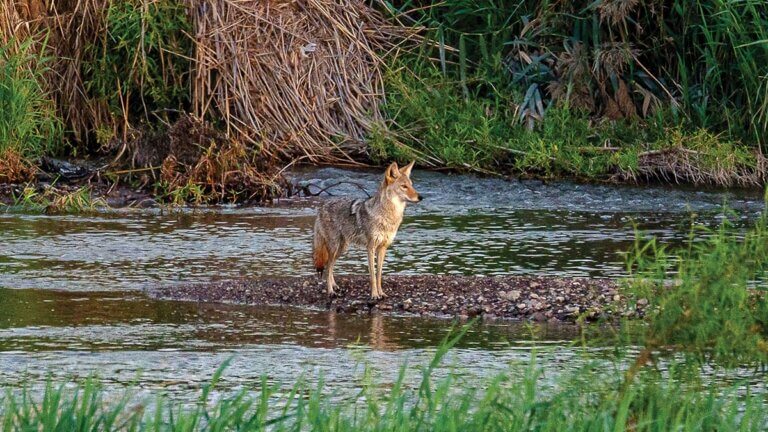
Fans of birdwatching should look no further than northern Nevada’s Stillwater National Wildlife Refuge. Located on the outskirts of Fallon along the Loneliest Road in America, the refuge is a paradise for 280-plus species of birds that frequent its waters on any given day. And these visitors definitely arrive in large groups. In addition to the hundreds of thousands of shorebirds that migrate through here, the wetlands also attract a quarter-million waterfowl. These jaw-dropping numbers have earned the preserve global importance status with the Western Hemispheric Shorebird Reserve Network. In addition to the more than 200 bird species, visitors should keep their eye out for beaver, mountain lion, bobcat, mule deer, coyote, bats, mink, fish, and kit foxes.
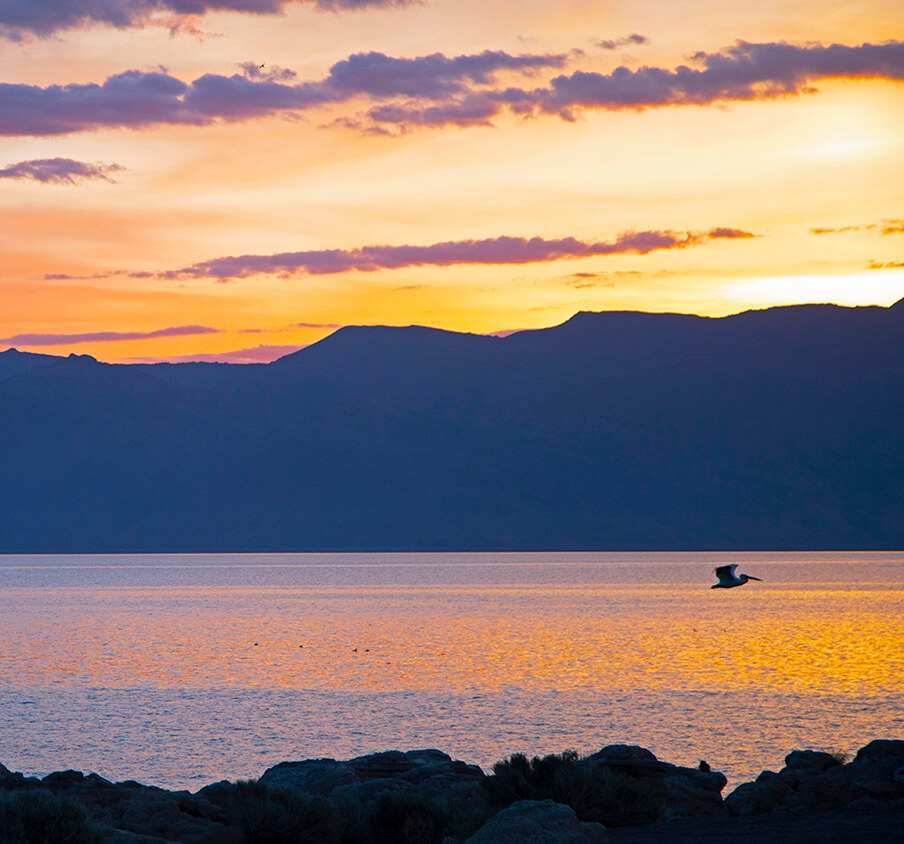
Stillwater is hardly the only refuge in the area to enjoy birdwatching. Within a short drive, visitors will reach Pyramid Lake, located on the Pyramid Lake Paiute Tribe Reservation. Near the south end of the lake, Anaho Island National Wildlife Refuge rises out of the turquoise waters. An undisturbed breeding ground for the American white pelican, this island is off-limits to human visitors—but you can still enjoy its avian population from the shoreline.
Ruby Lake National Wildlife Refuge
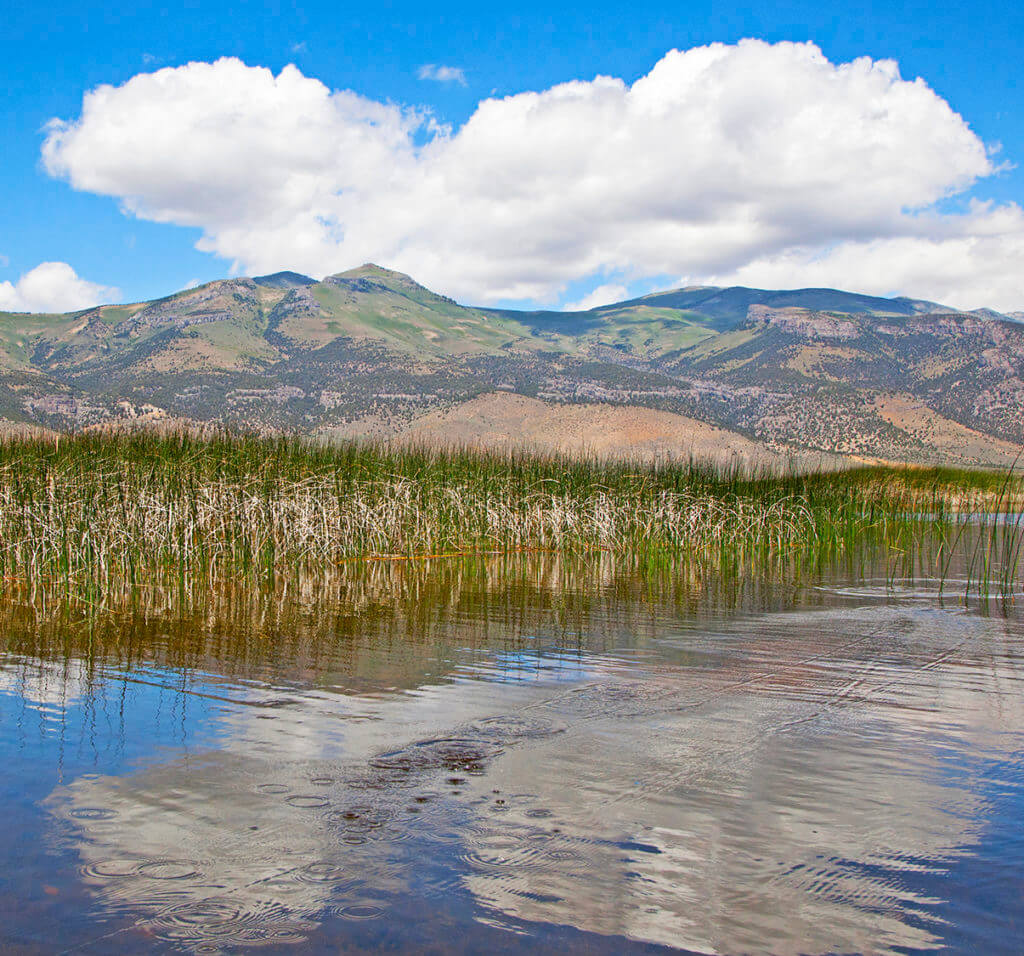
Nestled against the spectacular Ruby Mountains in northeastern Nevada, Ruby Lake National Wildlife Refuge is an important wetland that offers a critical habitat for creatures not normally found in the high desert.
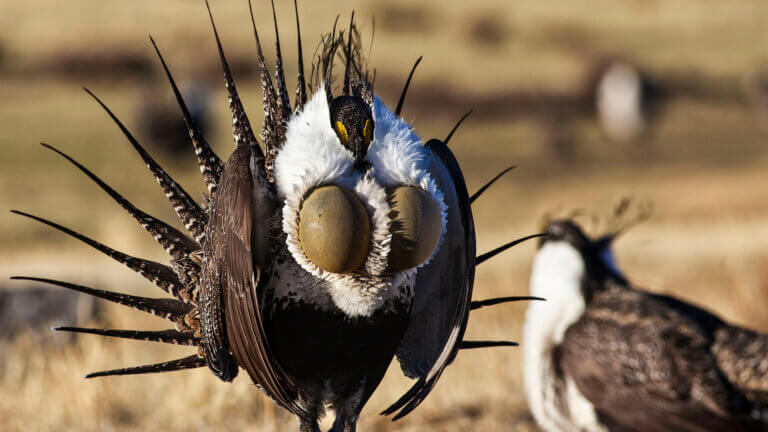
Sprawling more than 40,048 acres, the refuge’s shallow, spring-fed marshes form a long, narrow greenbelt along the valley floor. This unusually lush, vibrant habitat lies along the Pacific and Central Flyways, attracting trumpeter swans, greater sandhill cranes, and nearly 220 species of other birds. Along with its diverse fish population, the area is home to mule deer, pronghorn antelope, and sage grouse.
Sheldon National Wildlife Refuge
Thanks to conservation efforts in this remote corridor of the Great Basin Desert, the fastest land animal on the continent is alive and thriving like never before. In the early 20th century, the pronghorn antelope population dwindled to near extinction. In 1931, the government established the Sheldon National Wildlife Refuge with the goal to save the species. Thanks to the refuge, the pronghorn has been in steady recovery and can now be found racing across the Great Basin with about 3,500 living inside Sheldon and more than 30,000 statewide.
Pronghorn can reach speeds up to 60 miles per hour—only slightly slower than a cheetah. However, their disproportionately large hearts, lungs, and windpipes give them a stellar respiratory and circulatory system, boosting endurance and enabling them to maintain high speeds for long periods of time with their 22-foot strides. Keep an eye out for their white hindquarters as you road trip through the Silver State—the flashiest part of their coloring that starkly stands out against Nevada’s basin and range.
Nevada BLM
Wildlife Photography in the Silver State
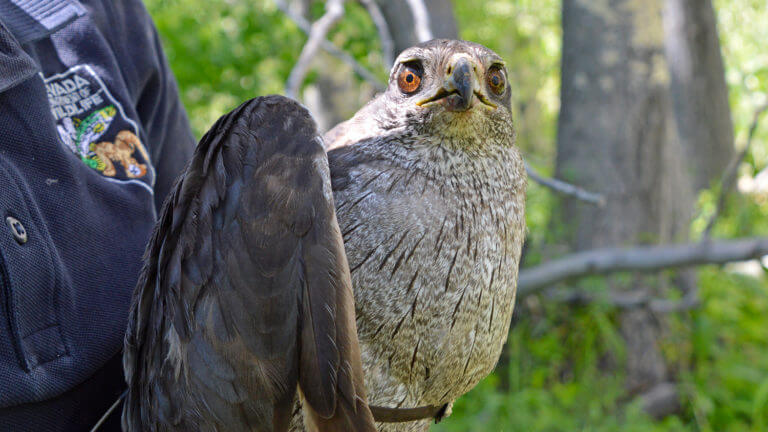
Swing that camera strap over your shoulder, hone your nature photography skills, and let wild mustangs, golden eagles, and panoramic views help tell your Silver State story.
Check out some of our local photographers’ best tips for viewing and photographing wildlife.
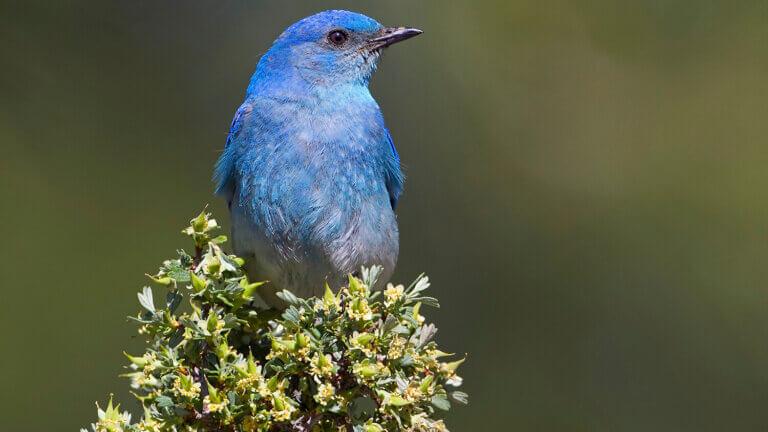
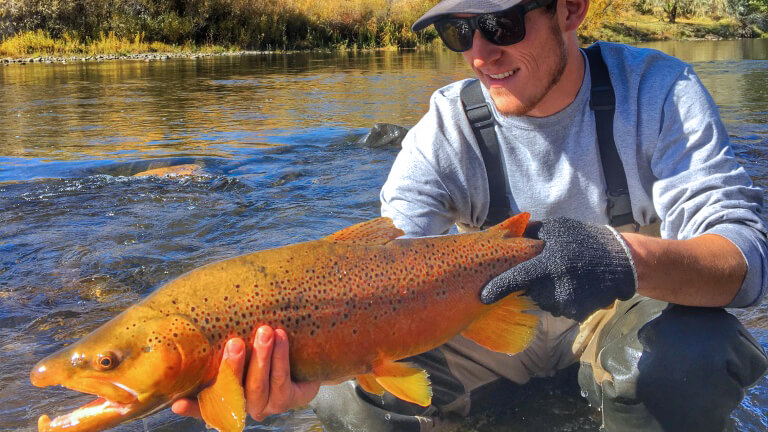
#TravelNevada
Keep your eyes peeled and your camera ready for wondrous wildlife sightings. Tag #TravelNevada to share cute critter snapshots and you may find it featured here.